aftercare
Tattoo Aftercare Over Joints: Elbow, Knee, and Knuckle Healing
Tattoos on the elbow, knee, and knuckles heal slower and crack more than flat skin. Here is how to protect the ink, keep movement, and know when a touch-up is coming.
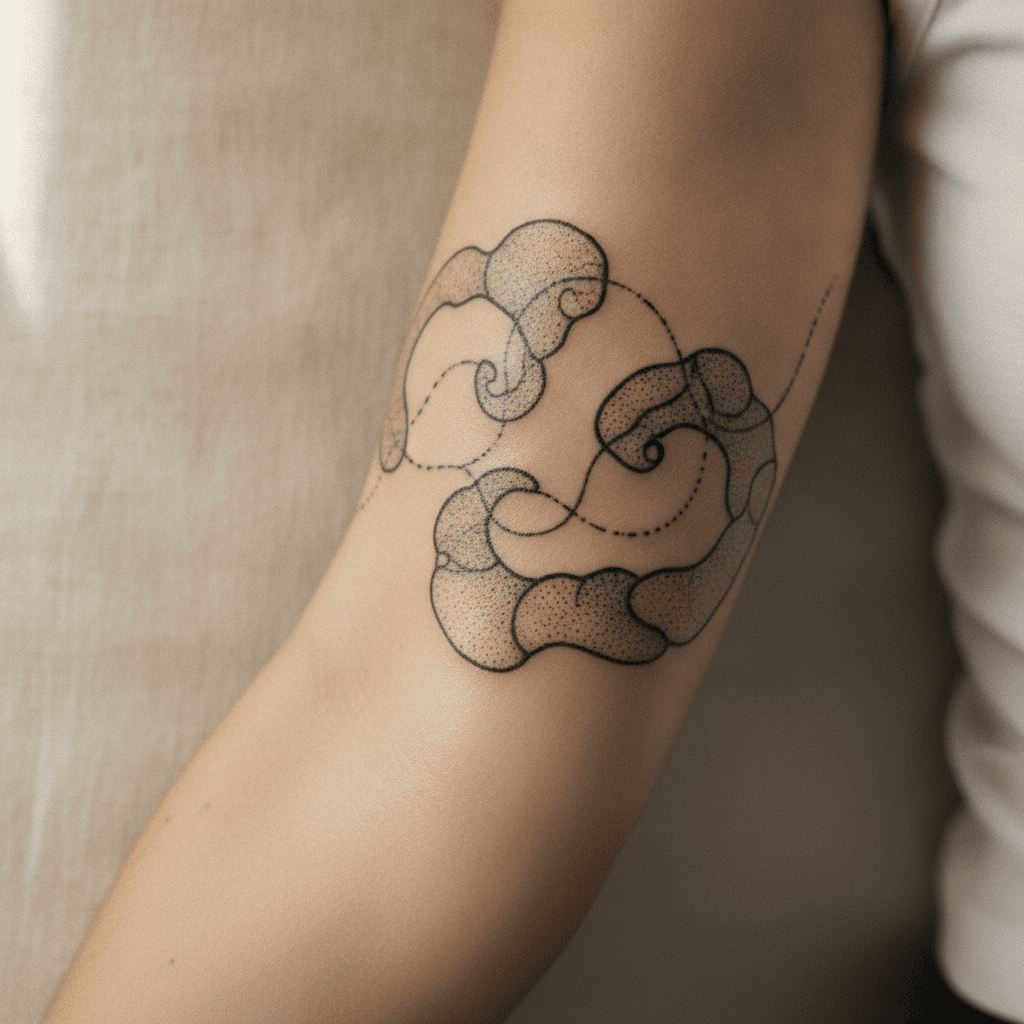
Joint tattoos are the placements that punish sloppy aftercare. The elbow, knee, and knuckles all flex hundreds of times a day, and that constant skin movement pulls at a wound your body is trying to close. Healing takes longer than a forearm or thigh, cracking is common, and touch-ups are almost expected. The good news is that most of the fade you see on friends' knuckles was avoidable. Aftercare on a joint is not harder than a standard tattoo, it just needs a few placement-specific adjustments.
Why joint tattoos heal differently
Skin over a joint stretches and compresses every time you bend the limb. A fresh tattoo is essentially a controlled open wound, and the top layer of skin needs to seal itself with a soft scab before it can peel and settle. On a flat surface like the outer thigh that seal forms undisturbed. On an elbow or knee the seal gets cracked open dozens of times in the first 48 hours, and each crack can pull tiny fragments of ink out with the plasma. That is why joint tattoos often look patchy after peeling even when the artist did clean work.
The other issue is circulation. Elbows, knees, and knuckles sit further from the core, get less consistent blood flow, and have thinner subcutaneous fat, especially over the knuckles and outer elbow. Less fat and thinner dermis means ink is deposited into a shallower layer, which fades faster over the years. Expect a joint tattoo to take 3 to 4 weeks to close on the surface instead of the usual 2 to 3, and 4 to 6 months to fully settle instead of 3 to 4.
Pain during healing is also different. The stretch itself is not painful once the initial rawness passes, but the scab pulling as you extend the joint feels tight and can sting for the first 5 to 7 days. This is normal. What is not normal is sharp deep pain, hot swelling, or red streaks running away from the tattoo, which point to infection and need a doctor.
The first 72 hours on a joint
For the first three days the priority is keeping the wound clean while giving the skin the least reason to crack. If your artist wrapped you in Saniderm or a similar second-skin film, leave it on as instructed, usually 3 to 5 days. Second-skin is genuinely useful on joints because it holds the surface stable while you move, and it traps the plasma layer that would otherwise crust into a hard scab that cracks.
If you are dry healing or using traditional wrap-and-wash, wash the tattoo with lukewarm water and fragrance-free soap two to three times a day for the first 72 hours. Pat, do not rub, and skip lotion for the first 24 hours. When you do apply ointment, use a very thin layer. Thick ointment on a joint traps sweat and slows the seal.
Movement should be normal but not aggressive. You do not need to keep your elbow straight for a week. In fact, immobilizing a joint for days can cause the surface to seal in a stretched or compressed position that then tears the moment you finally bend it. Move through your normal range slowly and often. Skip the gym, heavy lifting, or anything that makes the joint sweat profusely for at least 7 days. Working out too early is one of the top reasons joint tattoos scar, covered in more detail in our guide to working out after a new tattoo.
Cracking, peeling, and what is actually normal
Around day 4 to 7 the surface will start to feel tight and flaky. On a flat placement this is even, thin peeling. On a joint you will often see actual cracks in the healing layer, especially across the elbow crease or the top of the knuckle where the skin folds. Small cracks that do not bleed are fine. They usually close on their own within 24 hours if you keep the area lightly moisturized with a fragrance-free lotion like Aquaphor Healing Ointment used sparingly, Hustle Butter, or a plain Cetaphil-type cream.
Cracks that bleed, ooze plasma for more than a day, or expose raw pink skin below the healing layer are a different problem. Full detail on when to worry is in our post on tattoo cracking during healing, but the short version for joints is: reduce movement for a day, keep the crack clean, apply a very thin layer of ointment, and cover with a fresh piece of second-skin if you have one. Do not pile on thick balm hoping it will bridge the gap. That just softens the surrounding skin and makes more cracks.
Itching arrives around day 7 to 14. It is worse on joints because the stretched healing layer pulls on nerve endings. Never scratch. A cold pack over a clean cloth for 30 seconds usually kills the itch, and a light slap does the same without damaging the surface.
Placement-specific notes
Each joint has its own quirks worth planning for.
- Elbow: The outer elbow, the "olecranon," is essentially skin stretched over bone with almost no fat. Ink saturation is harder to achieve here, and blowouts are more common because the artist is working on a moving target. Expect the sharpest cracking on the inner elbow crease and the most fade over the boney tip.
- Knee: The kneecap has thin skin and constant flex. Sitting cross-legged, kneeling, and stair climbing are the main irritants. Wear loose shorts or a long skirt for the first two weeks and avoid tight jeans that trap sweat and rub the healing surface.
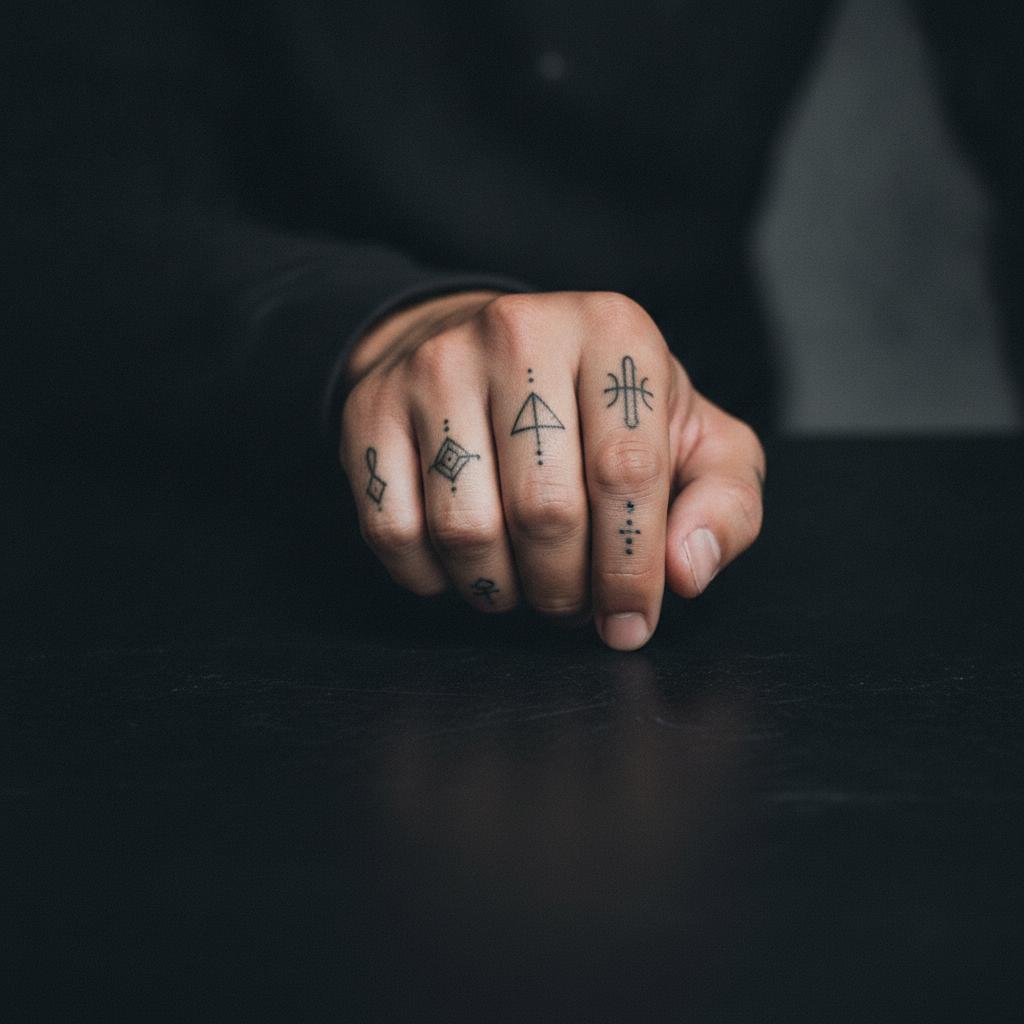
- Knuckles: Knuckles are the hardest placement on the body to keep. The skin is thin, the ink is placed shallower to hit visible skin, and hands are washed 20+ times a day. Knuckle tattoos routinely need touch-ups at 4 to 8 weeks and often again at 6 to 12 months. Budget for that going in.
- Back of the ankle and inner wrist: Not strictly joints but they behave similarly. Same aftercare rules apply.
If your knuckle tattoo starts to look faded before it has even finished peeling, that is not always a healing failure. It is often the top translucent layer of ink working its way out through the scab. The final settled color shows up around week 5 to 6.
When to book the touch-up
Touch-ups are part of the deal on joint placements. Most reputable artists offer a free or discounted touch-up within 6 months, and you should use it. Wait until the tattoo is fully healed, meaning no shine, no pink patches, and no flaking. That is usually 6 to 8 weeks on a joint, later than the 4 to 6 weeks quoted for flat skin. Full detail on touch-up timing helps if you are unsure.
Bring photos of the tattoo taken in natural light every week during healing. Your artist can tell a great deal from that sequence, both about how your skin healed and whether the touch-up should adjust ink depth or line weight. For knuckles specifically, ask about a second touch-up around the 6-month mark. Two rounds of careful touch-ups often mean a knuckle piece that still reads clean five years later instead of a blurred blob.
Expect to pay a shop minimum for touch-ups after the free window closes, generally $80 to $150 depending on the shop and how much needs redoing. Numbers by placement are in our tattoo touch-up cost guide.
Long-term care for joint tattoos
Once the tattoo is fully healed the care that matters most is sun protection and hydration. UV light is the single biggest reason tattoos fade, and joint tattoos already start with a fade disadvantage. A daily SPF 30 or higher on any exposed joint tattoo doubles or triples its long-term sharpness. More on this in the tattoo sunscreen and long-term care post.
Keep the skin moisturized, but do not obsess. A normal body lotion once a day is enough. Dry skin makes lines look feathered even when the ink is fine. If you lift heavily or do a sport that flexes the joint constantly, expect gradual softening of fine lines over years. Bolder styles like traditional and blackwork hold up better on joints for exactly this reason, which is worth thinking about at the design stage rather than after.
Frequently asked
How long does an elbow or knee tattoo take to fully heal? Surface healing takes about 3 to 4 weeks on a joint compared to 2 to 3 weeks on flat skin. Full settling of color and depth takes 4 to 6 months. During that window, minor patchiness that looks like a problem often resolves on its own by month 3.
Should I keep my joint straight while it heals? No. Immobilizing the joint causes worse cracking when you finally move. Use your normal range of motion, just avoid explosive movement, heavy lifting, or anything that makes you sweat heavily for the first 7 to 10 days.
Why does my knuckle tattoo look faded already? Knuckles fade partial ink out during the peel phase because the skin is thin and shallow. What you see at week 2 is rarely the final result. Wait until week 6 to judge saturation, then book the free touch-up if it still looks patchy.
Can I use Saniderm on an elbow or knee? Yes, and it is often the best option for joint placements. Second-skin holds the healing surface stable while you move. Change it if it lifts or fills with too much fluid, and follow the Saniderm aftercare guide for timing.
Do joint tattoos always need touch-ups? Not always, but often. Knuckles almost always need at least one. Elbows and knees benefit from a touch-up 40 to 60% of the time in the first year. If the ink was placed well and healed without heavy cracking, you may get away with none.
What if my joint tattoo cracks and bleeds? Clean it gently with lukewarm water and fragrance-free soap, pat dry, apply a very thin layer of ointment, and reduce movement for 24 hours. If bleeding does not stop within a few minutes, or you see spreading redness, warmth, or pus, contact your artist or a doctor. See the full cracking during healing guide for context.