Bali Tattoo Needs a Touch-Up Back Home? What to Do Next
Your Bali tattoo healed patchy and you are already home. When to judge it, what photos to send the studio, home artist options and planning a return.
By Peachy Editorial · · 7 min read
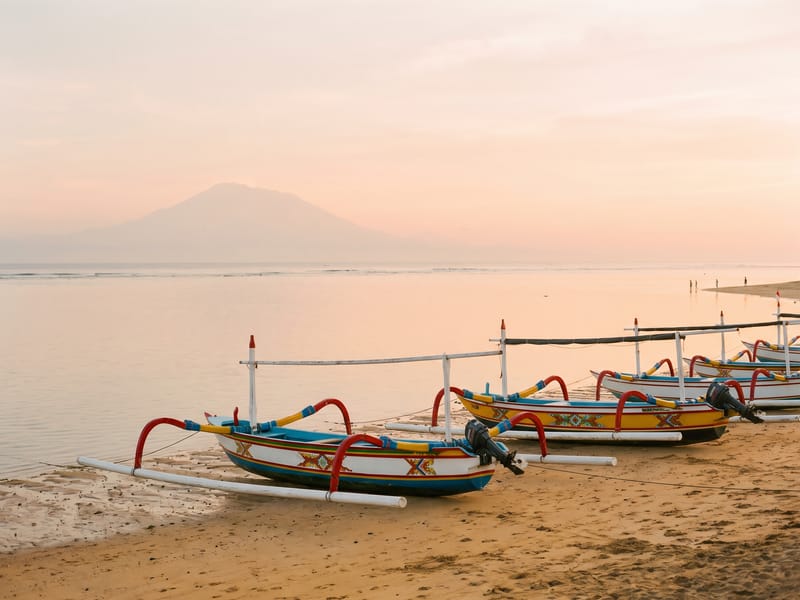
You are home, the tan is fading, and so, in a couple of spots, is your Bali tattoo. A patch looks lighter than the rest, or a line has a small gap in it. This is common, it is usually fixable, and you have more options than flying straight back. Here is how to judge it, who to ask and how to plan the fix.
What does a tattoo that needs a touch-up look like?
Most touch-ups fix small areas where the ink did not settle evenly while the skin healed. Once the tattoo has fully healed, look for:
- Light or patchy spots in shading or solid black, where some areas look greyer than others.
- Gaps or breaks in lines, often where a scab came off early.
- Uneven colour, with one part of a colour area noticeably paler.
- Faded areas that were rubbed, soaked or sunburnt during healing.
Some problems are not touch-up problems. Blowouts, where ink has spread under the skin and gives a line a blurry halo, cannot be fixed by adding more ink in the same spot. They are usually handled by reworking the design, for example by thickening lines or adding shading around them. Ask an artist before assuming a touch-up will solve it.
When should you judge whether a tattoo needs a touch-up?
Wait until it has fully healed, which is usually about 4 to 6 weeks after the session. Before then, it is hard to tell a real patch from normal healing.
In the weeks after the surface stops peeling, many tattoos go through a dull, slightly cloudy stage while the new skin settles. A tattoo can look patchy at three weeks and fine by six. Our guide on how to tell when a tattoo is fully healed explains the signs, and when to get a tattoo touch-up covers the timing in more detail.
What photos should you send the Bali studio?
Your first step is to message the studio that did the tattoo. Clear photos make it much easier for the artist to see what happened and suggest a fix. Send:
- A close-up of each area you are worried about, in natural daylight, with no filter.
- A wider photo showing the whole tattoo and where it sits on your body.
- A photo at a slight angle, since some patches only show when light hits the skin side-on.
- The photo the studio or you took on the day, if you have it, so the artist can compare.
- A short note on the timing: the session date and how many weeks it has been.
Be honest about aftercare. If you swam on day five or got sunburnt on a boat trip, say so. It helps the artist understand the cause, and it does not make the patch any harder to fix.
Ask the studio what it suggests and whether it offers touch-ups on its own work, on what terms and for how long. Policies vary between studios, so get the answer in writing.
Will a tattoo artist at home touch up someone else's work?
Many will, but not all. Some artists are happy to fill in a few patches on another artist's tattoo. Others prefer not to, because matching someone else's line weight, shading and ink is harder, and the result reflects on them.
If you look for a home artist, choose one who works in the same style as your tattoo. A fine line specialist is a better fit for a fine line piece than a studio known for bold traditional work. Bring the same photos you sent to the Bali studio, plus the tattoo itself for a look in person.
On price, expect it to be treated as new work. Home artists usually charge their normal rate, and for small touch-ups that often means the studio's minimum charge, even if the job takes a few minutes. Our tattoo touch-up cost guide goes through what affects the price.
Is it worth planning a return trip for a touch-up?
If you were already planning to go back to Bali, a touch-up with the original artist is often the neatest fix. They know the design, the ink and how they worked it.
Message the studio before you book flights and give your dates, so it can fit you in. Remember that a touch-up is still fresh tattooing. The touched area needs the same care as any new tattoo, which means staying out of the sea and pools until the surface has healed, usually 2 to 4 weeks, and out of strong sun. Plan your water days first, just as you did the first time.
If you are staying somewhere quieter on your return, such as Sanur, the Sanur studio list shows 21 studios at the time of writing (November 2026). Nagaloka Tattoo Bali, for example, is rated 5.0 on Google from 1,034 reviews and lists fine line work. For a touch-up, though, your first call should be the studio that did the original.
Why do tattoos fade or heal patchy?
A few causes come up again and again, and a Bali holiday puts a tattoo through most of them:
- Soaking too early. Swimming in the sea or a pool before the surface has healed can draw ink out.
- Sun. UV light breaks down ink, and a sunburn on a healing tattoo is one of the quickest ways to fade it.
- Picking and scratching. Pulling off scabs or flakes early can take ink with them.
- Friction. Straps, waistbands and wetsuits rubbing a fresh tattoo slow healing in that spot.
- Placement. Hands, fingers and feet heal less evenly and fade faster than most areas.
Our guide to tattoo fading causes and prevention covers each of these. Once your tattoo has healed, the best long-term habit is sunscreen. See our guide to tattoo sunscreen and long-term care.
How do you choose a design that needs fewer touch-ups?
If you are planning another tattoo on a future trip, a few choices make a clean heal more likely:
- Go a little bigger. Tiny, tightly packed details are more likely to blur or heal unevenly.
- Choose bolder lines for long-term wear. Very thin lines can look crisp on day one and softer a few years later.
- Pick a placement away from constant friction and sun. The inner arm, upper arm and back usually heal more evenly than hands, fingers and feet.
- Time it for the end of your water days. Fewer temptations to swim means fewer patches.
Most patchy spots are a small fix. Wait for the full heal, take good photos, and start with the studio that did the work.
Touch-up checklist
- Wait about 4 to 6 weeks for a full heal before you judge it.
- Take daylight photos: close-ups, a wider shot and an angled shot.
- Message the original studio first, with photos and your session date.
- Ask about its touch-up terms and get them in writing.
- If using a home artist, choose one who works in the same style, and expect their minimum charge.
- If returning to Bali, plan the touch-up after your swimming days.
- Use sunscreen on the healed tattoo from now on.
Planning your next Bali tattoo, or looking for a studio for a return visit? Browse every Bali studio on Peachy by area and style, and send one free request with your photos and dates.
Keep reading
- Aftercare
Bali Tattoo Aftercare: Healing in the Heat, Sun and Humidity
Day to day aftercare for a new tattoo in Bali: sweat, air-con, strong sun, scooter dust, helmets, what to buy locally and when to see a doctor.
- Aftercare

Surfing After a Bali Tattoo: Ocean, Pool & Reef Timing (2026)
When you can actually paddle back out at Berawa, Padang or Uluwatu after a fresh Bali tattoo, plus the pool, reef and humidity rules nobody tells surf tourists.
- Aftercare

Sweating After a New Tattoo: Risks, Rules, Recovery
Sweating on a fresh tattoo in the first two weeks can soften scabs, carry bacteria, and lift ink. Here is what to do and when.