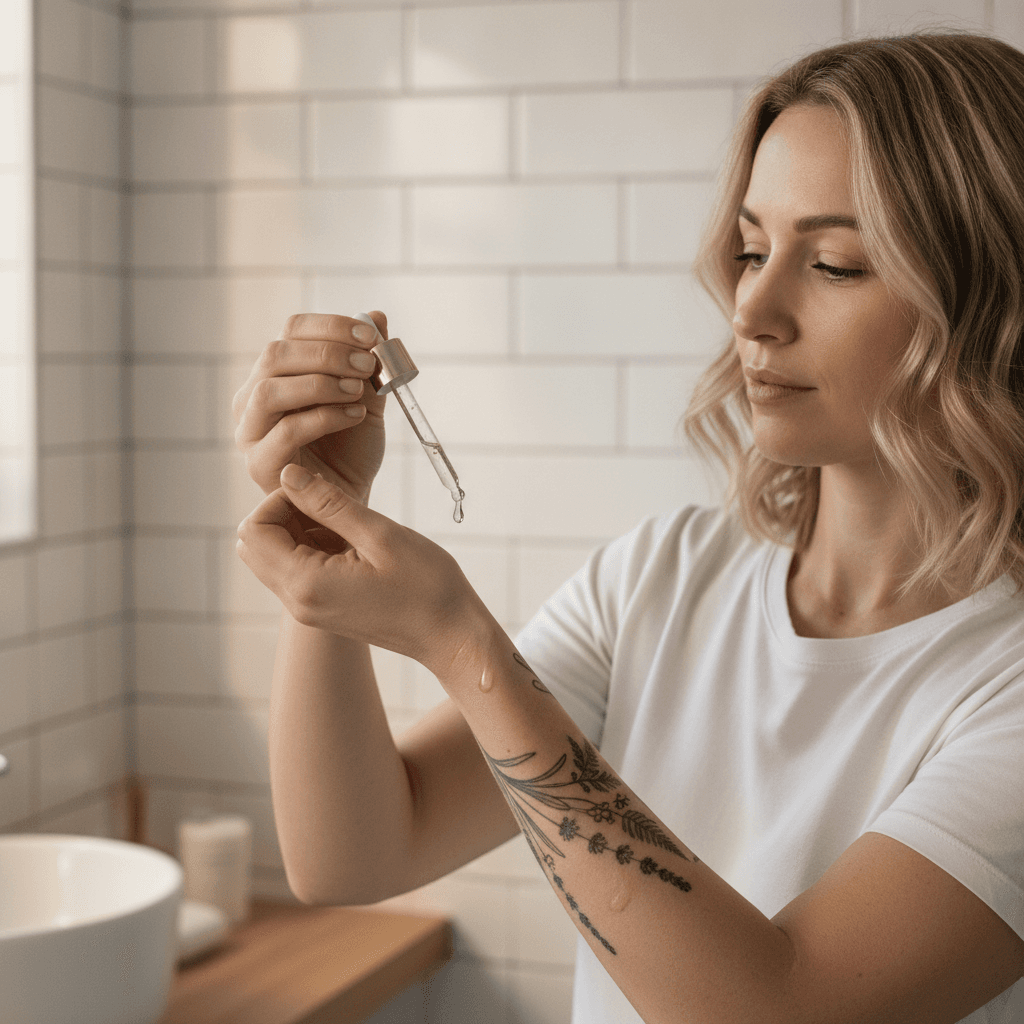
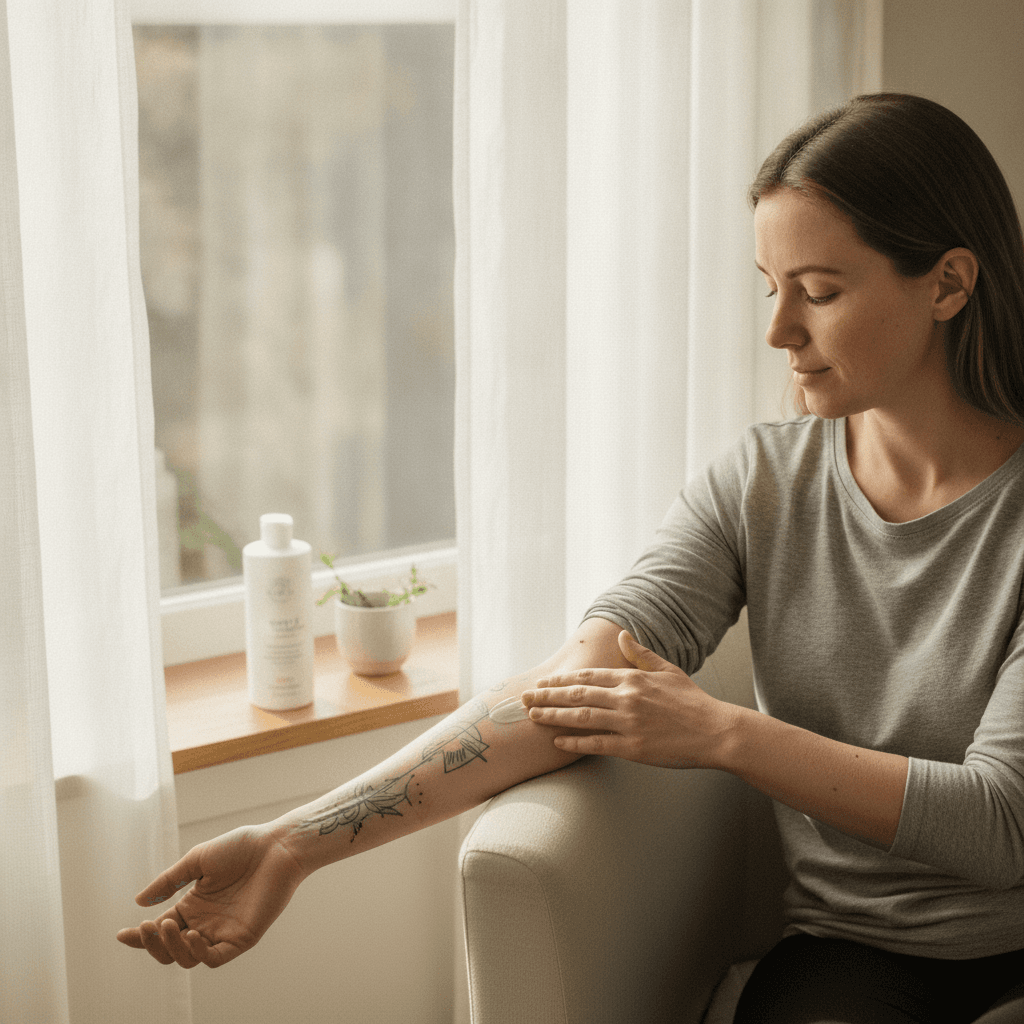
aftercare
How to Wash a New Tattoo: A Step-by-Step Cleaning Guide
Washing a new tattoo wrong is the fastest way to wreck the ink. Here is the exact step-by-step cleaning routine artists actually recommend.
Washing a fresh tattoo is the single most repeated step in the whole healing process, and it is the one most people get wrong. The first ten days set how sharp your lines stay, how saturated your color reads, and whether you finish healing with smooth skin or a patch of dull, scabbed ink. This guide walks through the exact cleaning routine reputable artists hand out, with the soap picks, water temperatures, frequency, and drying technique that actually protect a healing wound.
When to do the first wash
The first wash happens after you remove the initial bandage your artist applied. With a traditional cling-film or absorbent pad wrap, that window is usually 2 to 6 hours after you leave the chair. With a clear medical adhesive like Saniderm, Tegaderm, or Recovery Derm Shield, you leave the first bandage on for 24 hours and only then peel and wash. Pulling either wrap off too early lets plasma dry under the film and glue scabs to the surface, while leaving the traditional wrap on overnight traps blood and ink against the skin and breeds bacteria.
Wash your hands first with hot water and antibacterial soap for a full 20 seconds. This sounds obvious until you remember you have been touching your phone, your keys, and the bathroom doorknob. A fresh tattoo is an open wound roughly 1 to 2 millimeters deep across its entire surface area, and your hands carry the highest bacterial load of anything you will touch in the next two weeks.
Picking the right soap
The soap matters more than any other product decision in aftercare. Use a liquid, fragrance-free, dye-free soap with no exfoliating beads, no scrubbing agents, and no antibacterial additives like triclosan that can irritate raw skin. Bar soaps are out because the bar surface harbors bacteria between uses and the binding agents leave residue.
Reliable picks that most artists agree on:
- Dr. Bronner's Pure-Castile Liquid Soap, unscented baby formula
- Dial Gold Liquid Hand Soap, original
- Cetaphil Gentle Skin Cleanser
- Hustle Butter Deluxe Soap
- Tattoo Goo Deep Cleansing Soap
Skip anything labeled "moisturizing" or "creamy" since the added oils film over the wound and slow healing. Skip Irish Spring, Old Spice, and any heavily fragranced body wash, since the perfume compounds sting open skin and can trigger a contact reaction in the first week. If you walk into any drugstore in the world you can find one of the options above for under ten dollars, so there is no reason to compromise here.
The actual washing technique
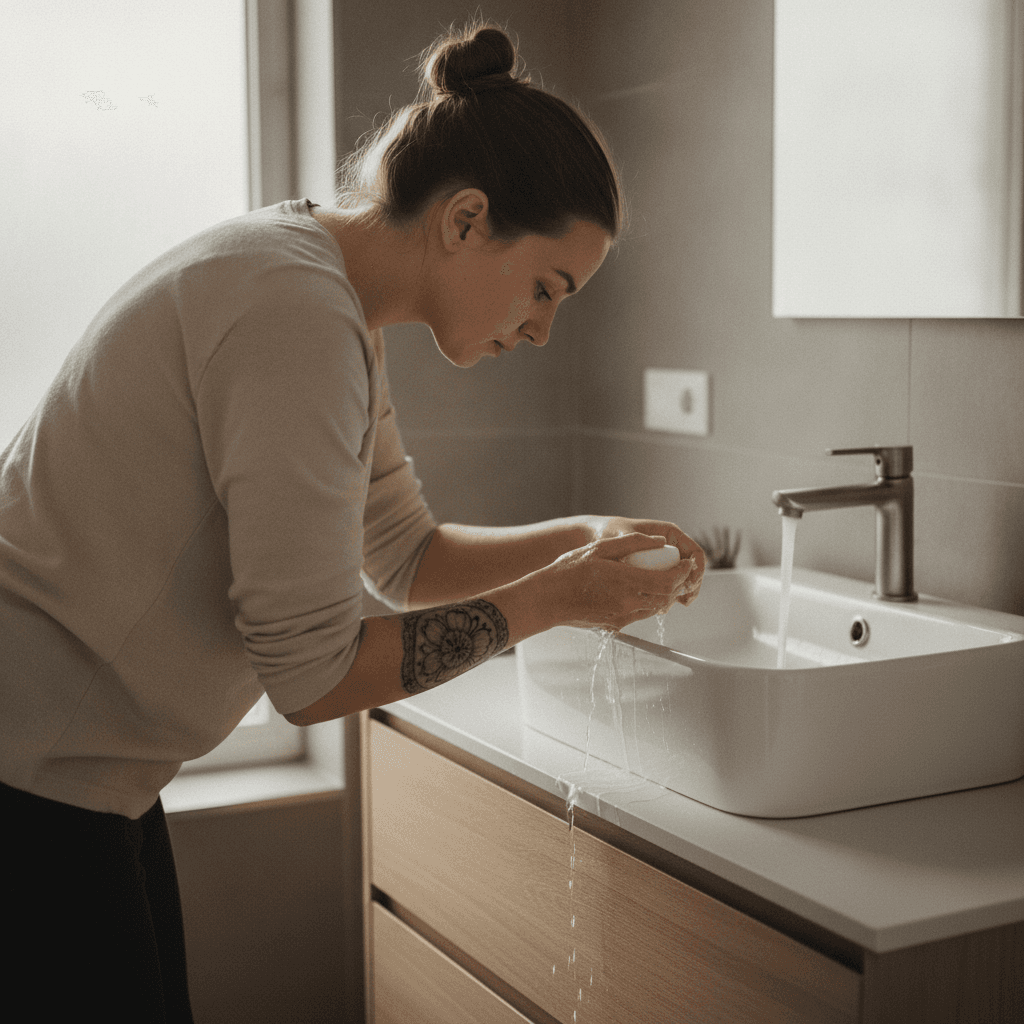
Run the tap until the water is lukewarm, around 85 to 95 degrees Fahrenheit. Hot water opens pores and pulls ink out of fresh trauma. Cold water tightens the skin and makes it harder to lift dried plasma. Lukewarm sits in the middle and does the job without aggravating either issue.
Lather a small amount of soap between clean hands first, then transfer the lather to the tattoo with your fingertips. Do not rub soap directly onto the skin, do not use a washcloth, do not use a loofah, and absolutely do not use a Brillo pad style scrubber, which sounds insane but people genuinely try it. Move your fingertips in small circles across the entire tattooed area, including a half-inch border of surrounding skin. The motion should feel like you are massaging in moisturizer, not scrubbing a dish.
Spend 30 to 45 seconds lathering. This is enough time to lift the slimy mix of plasma, blood, and excess ink that has been weeping out of the skin, which is the actual point of washing. That slime is what dries into thick scabs if you leave it on. Rinse with the same lukewarm water, again using only your hand to cup water over the tattoo. Never put the tattoo directly under a hard stream from the tap or showerhead during the first week, because the pressure can knock fresh ink particles loose and create soft patches in the design.
Drying without wrecking the ink
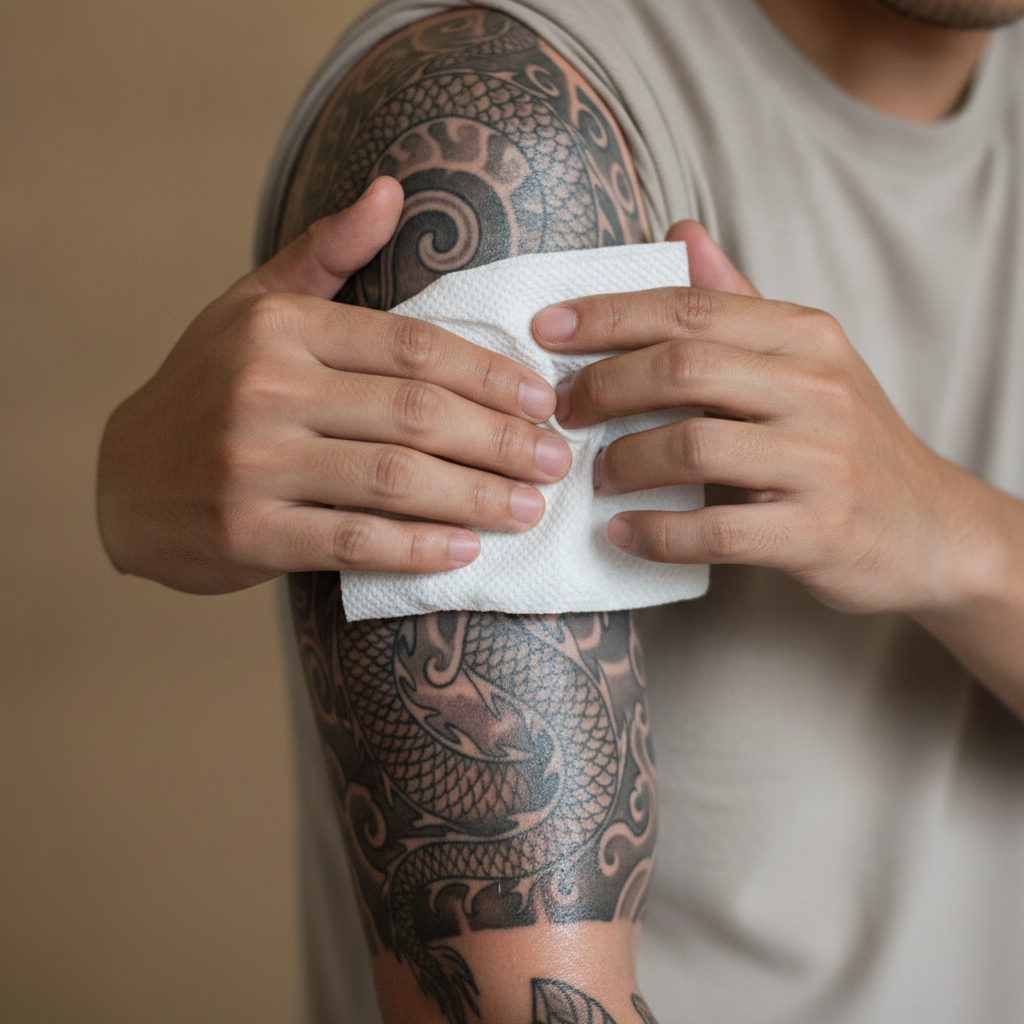
This step ruins more tattoos than the wash itself. Do not use a bath towel, because the loops snag on healing skin and the towel fabric harbors bacteria and detergent residue from your last laundry cycle. Do not rub. Do not air-dry by walking around shirtless, which exposes the wound to dust, pet dander, and whatever is floating in your apartment.
Use a clean, single-use paper towel and pat the area dry with light pressure. Press, lift, press, lift. Two or three passes get the surface dry without disturbing the still-forming scab layer underneath. If you prefer reusable, a clean lint-free microfiber cloth dedicated only to your tattoo works, but you must wash it in fragrance-free detergent after every use and never share it. The tattoo should sit fully dry for 5 to 10 minutes before any aftercare product touches it, since trapping moisture under ointment is what causes the dreaded tattoo bubbling effect where the surface goes soft and pulpy.
How often to wash, and for how long
Wash 2 to 3 times per day for the first 10 to 14 days. Morning, after any sweating or workout, and before bed is the standard schedule. Do not over-wash. Five or six washes a day strips the skin's natural healing oils and stretches out the scab phase by days. Under-washing, meaning skipping a day or going more than 12 hours between cleans during the first week, lets bacteria multiply on the wound surface and is the most common cause of tattoo infection symptoms people report a week in.
Drop to once-daily washing in week three, when the surface skin has finished peeling and the tattoo looks slightly cloudy or matte rather than glossy. By week four you can return to your normal showering routine and treat the area as regular skin, though you should still apply unscented lotion for new tattoos for another month while the deeper dermis layers finish settling.
Showering rules during the first two weeks
You can shower the day you get tattooed. You cannot soak. The difference matters because the skin around a tattoo can absorb water and soften the freshly punctured surface within about 15 minutes of full submersion, which lifts ink and softens scabs prematurely. Keep showers under 10 minutes, keep the water lukewarm, and angle your body so the direct stream never hits the tattoo. Wash everything else first, then do your tattoo wash at the end with cupped water as described above.
Skip baths, hot tubs, swimming pools, the ocean, lakes, and rivers for at least 2 to 3 weeks, and longer for large pieces. A full breakdown of the timeline lives in our guide to swimming after a new tattoo, but the short version is that any standing or recreational water exposes a healing tattoo to either chemicals or microbes that the wound is not ready to handle.
Frequently asked
Can I use antibacterial soap on a new tattoo? Avoid soaps with triclosan or triclocarban as their primary active. They are formulated to scour skin and can prolong irritation on a fresh wound. A fragrance-free gentle cleanser does enough to keep bacteria off the surface when paired with proper handwashing.
What if I forgot to wash my tattoo for a full day? Wash it as soon as you remember using the technique above. Do not double up with extra washes to compensate. Watch the area for redness spreading beyond the tattoo borders, increased swelling, or yellow or green discharge over the next 48 hours, which are the signs that bacterial growth has started.
Can I wash a tattoo covered in Saniderm or second-skin? Do not wash through the bandage. The film is designed to stay sealed for 24 hours up to 5 days depending on the brand. Remove the wrap in the shower under lukewarm running water to loosen the adhesive, do one gentle wash, pat dry, and either apply a new piece of second-skin or transition to open-air healing depending on what your artist recommended.
Why does my tattoo feel slimy when I wash it? That film is plasma, lymph fluid, and excess ink mixed together, which is exactly what washing is supposed to remove. It is normal during the first 3 to 5 days and decreases steadily through the first week. If it continues past day 7 or smells foul, the wound is not draining properly and you should contact your artist.
Should I use warm or cold water on a new tattoo? Lukewarm only, in the 85 to 95 degree Fahrenheit range. Hot water dilates blood vessels and increases ink loss in the first 72 hours. Cold water makes plasma harder to lift and can make the area feel stiff during cleaning.
Can I wash with my hand or do I need a special tool? Clean fingertips are the recommended tool. No washcloth, no sponge, no silicone face brush, no exfoliating mitt. Your hand applies the right amount of pressure and does not harbor the bacteria that fabric and porous materials hold between uses.