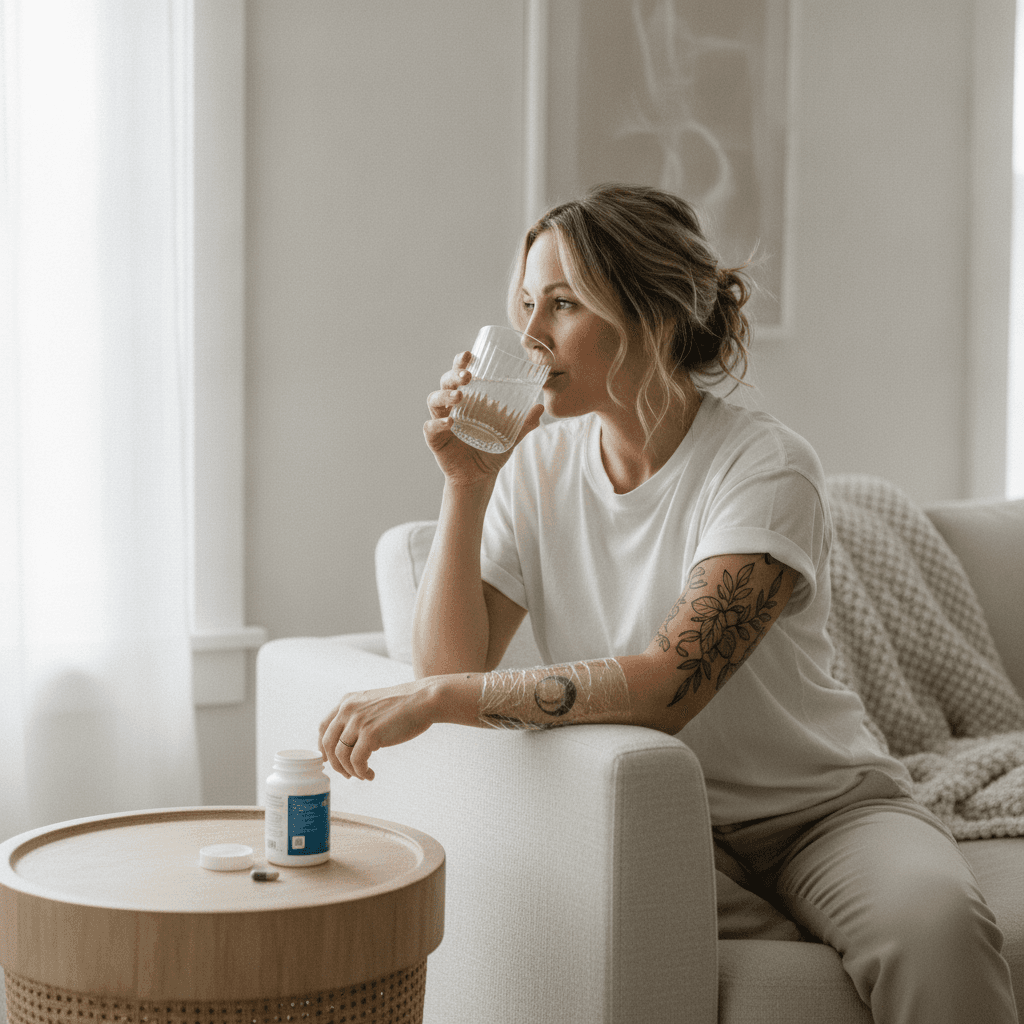
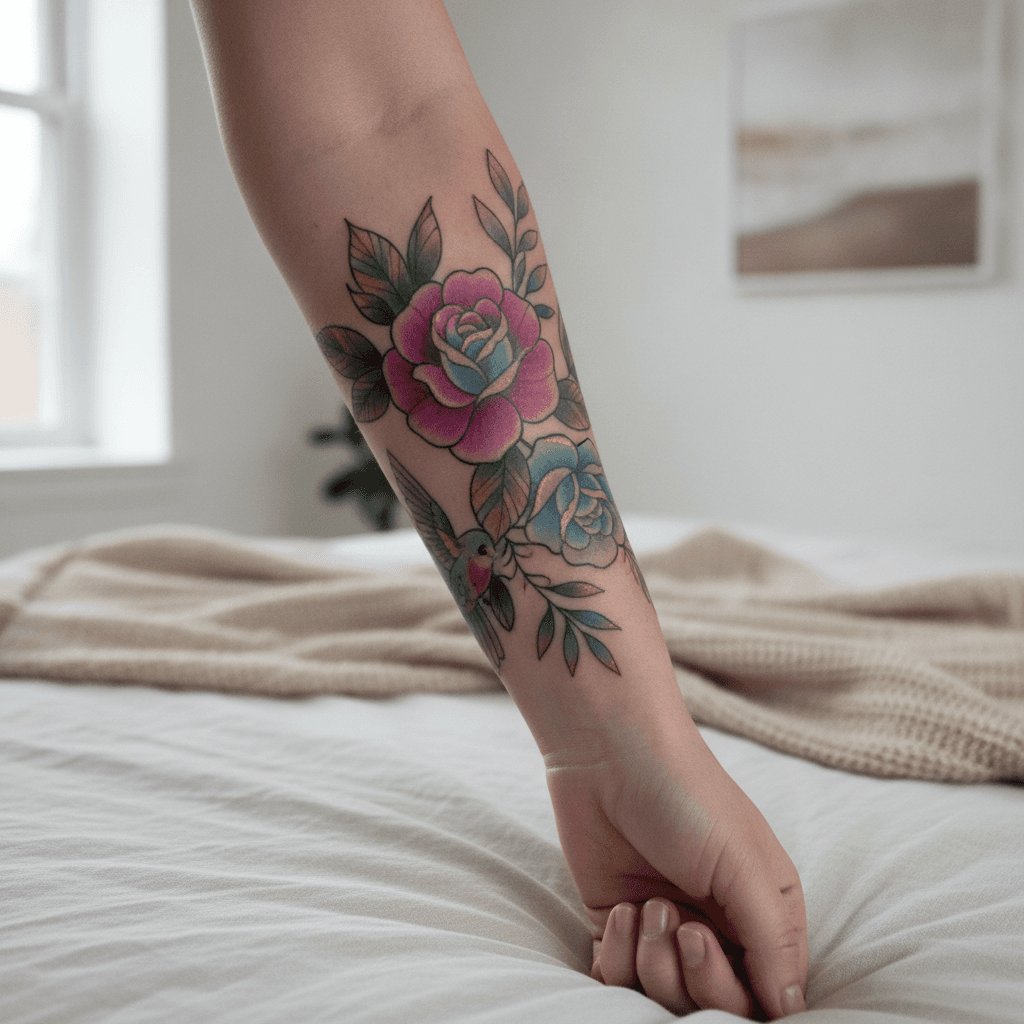
aftercare
Sweating After a New Tattoo: Risks, Rules, Recovery
Sweating on a fresh tattoo in the first two weeks can soften scabs, carry bacteria, and lift ink. Here is what to do and when.
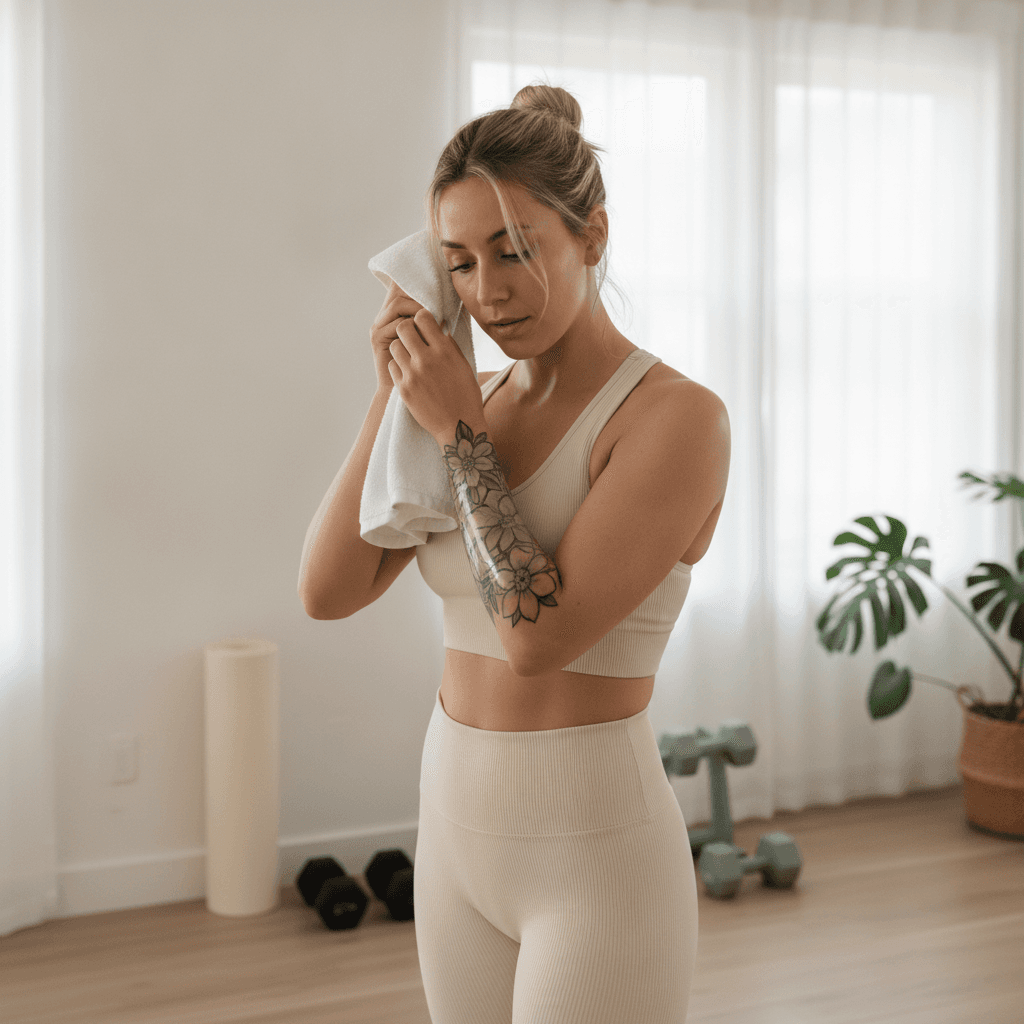
Sweat is one of the most underrated threats to a fresh tattoo. Not because perspiration itself is dangerous, but because it softens scabs, mixes with bacteria and skincare residue, and sits inside clothing against an open wound. If you train, live in a hot climate, or sleep hot, the first two weeks after a tattoo need an actual plan rather than vague advice.
This guide walks through what sweat does to healing skin, the specific risk window, when it is safe to sweat again, and how to handle unavoidable situations like humidity, night sweats, and essential workouts.
Why sweat matters during healing
A new tattoo is an open wound for roughly the first 48 to 72 hours, and the surface stays compromised for about 10 to 14 days until the top layer finishes peeling. Sweat is sterile when it leaves your pores, but it immediately picks up bacteria from skin, hair, and fabric. On a healing tattoo that bacterial load can trigger a localized infection, prolong redness, and in worse cases cause scabs to lift ink out of the dermis before the pigment has settled.
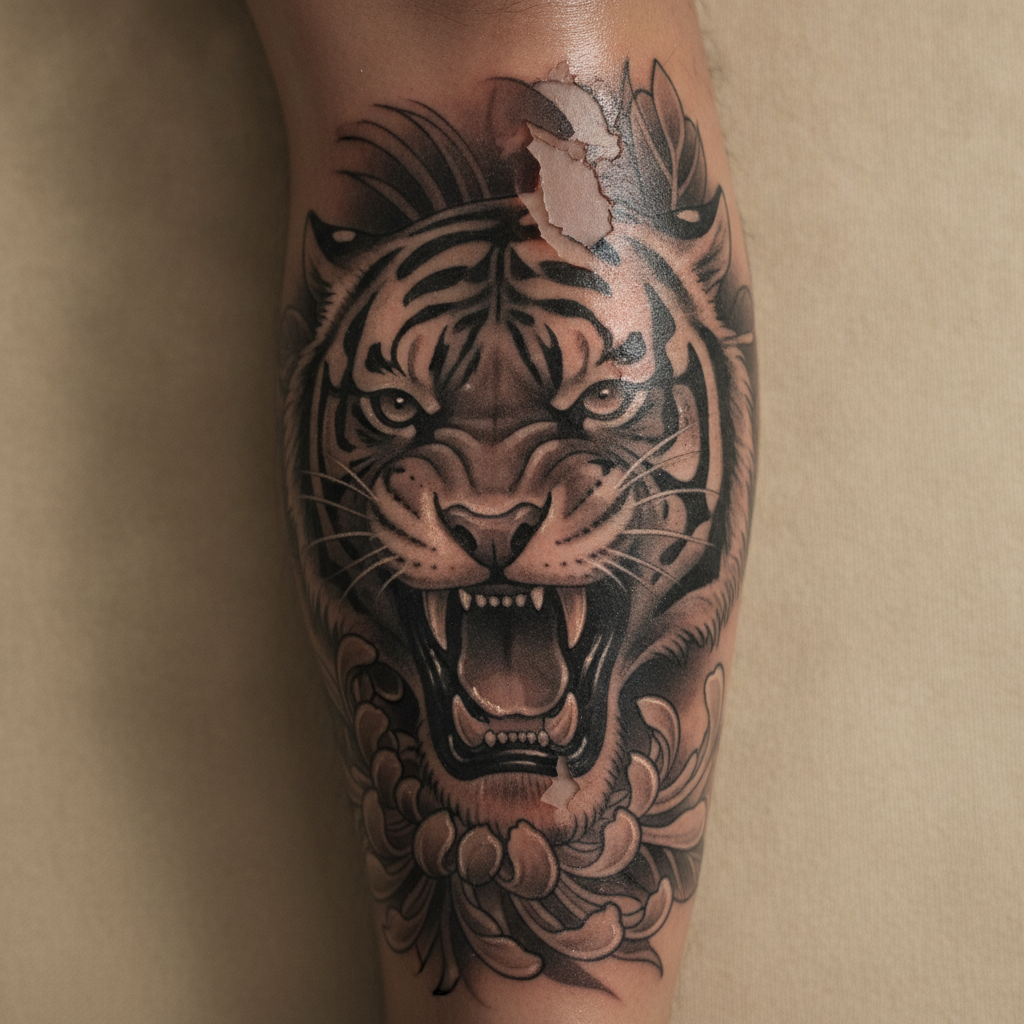
Heavy sweat also keeps the surface damp for extended periods. Damp scabs soften, catch on clothing, and tear. Every premature scab removal pulls a small amount of pigment with it, which is the mechanism behind patchy healing and the dreaded blurred edges. For a deeper look at how damage during healing shows up visually, see our breakdown of tattoo blowout causes and prevention.
The risk is not symmetrical across styles. Dense black fill and color packing lose saturation faster when scabs tear early. Fine line pieces are more forgiving to light moisture but less forgiving to friction from damp fabric. Know what you have before you plan your week.
The strict window: first 48 to 72 hours
Treat the first 48 to 72 hours as a hard no-sweat window. No cardio, no sauna, no hot yoga, no walking home in 90 degree heat if you can avoid it. During this window the tattoo is still weeping plasma and lymph, and additional moisture on the surface slows the formation of the protective film that becomes your early scab layer.
If you walk out of the shop wrapped in Saniderm or a similar healing bandage, that film does more work than people realize. It traps plasma against the wound in a controlled way, keeps bacteria out, and lets you tolerate light sweat without a full breach. Saniderm is not a license to sweat heavily, but it narrows the risk considerably. Our full Saniderm tattoo aftercare guide covers wear times and leak protocol.
Standard practice during this window:
- Keep ambient temperature cool, ideally 68 to 72 F indoors
- Sleep on clean cotton sheets, not synthetic bedding that traps heat
- Walk, do not run, if you need to move
- Shower with lukewarm water, not hot, and pat dry
When you can work out again
The honest answer is day 4 to day 7 for light sessions, day 10 to day 14 for anything intense. Light means low intensity cardio, light resistance work on muscle groups far from the tattoo, or yoga at a cool temperature. Intense means heavy lifting, HIIT, running outdoors in heat, or anything that pours sweat for 30 plus minutes.
Placement matters as much as timing. A forearm tattoo tolerates upper body training poorly for the first week because every pulling motion stretches the skin and loads the healing film with sweat trapped under sleeves. A calf piece is easier because you can wear loose shorts and skip leg day for a week. Think about which muscles move the inked skin and work around them. For a timing frame across the full recovery, our tattoo healing timeline day by day breaks down what each stage looks like.
A reasonable staged plan:
- Days 1 to 3: no training
- Days 4 to 7: light cardio, upper or lower split that avoids the tattoo
- Days 8 to 14: moderate training, cool environment, loose clothing over the tattoo
- Day 15 onward: back to normal if peeling has finished
If sweat does run across the tattoo during an early session, blot with a clean paper towel, rinse with lukewarm water and fragrance-free soap at home, pat dry, and re-apply your usual thin layer of ointment or lotion. Do not keep sweat sitting on the piece for hours.
Humid climates and night sweats
Not everyone can control their environment. If you live in Bangkok, Miami, or anywhere above 70 percent humidity for most of the year, you cannot schedule a tattoo around dry weather. The adjustments are logistical rather than medical: aggressive air conditioning in the first week, loose breathable cotton over the tattoo, and more frequent gentle rinses when you get home. Our tattoo aftercare in humid climates post goes deeper on tropical healing specifically.
Night sweats are the quieter problem. Many people sweat heavily during sleep without realizing it, and a tattoo pressed against a damp pillow or sheet for seven hours accumulates far more moisture than a short workout. If you wake up and the area is damp or your sheet is marked, rinse the tattoo in lukewarm water, pat dry, and reapply a thin layer of your healing product. Flip or change the pillowcase before the next night. If you consistently sweat through sheets, drop the thermostat two degrees for the first two weeks and sleep in a loose cotton shirt that separates skin from fabric.
Avoid sleeping directly on a fresh tattoo for the first week when possible. The combination of pressure, heat, and sweat is the worst case scenario for scab integrity.
Signs sweat has caused a problem
Most sweat exposures during healing produce no visible issue. The ones that do show up with a specific signature. Watch for scab softening and premature lifting, cloudy fluid on the surface, prolonged redness beyond the first week, warmth to the touch, and streaking that extends away from the tattoo outline. Any of those warrant attention and a shift back to strict aftercare.
Full infection is rarer than people think, but it is also obvious when it happens. Fever, worsening pain after day three, pus rather than clear plasma, and expanding redness are the signals. If you see those, stop guessing and get medical input. Our signs of tattoo infection post has the full checklist.
Frequently asked
Can I shower normally if I did not sweat? Yes, from day one, as long as the water is lukewarm and you avoid direct high pressure spray on the piece. Keep showers under 10 minutes in the first week, use a fragrance-free gentle cleanser, and pat dry with a clean towel. Hot water on a fresh tattoo opens pores, increases bleeding, and softens scabs.
What if I sweat on day two by accident? Rinse the tattoo with lukewarm water and fragrance-free soap as soon as you can, pat it dry completely, and apply a thin layer of your usual ointment or healing lotion. One incident is unlikely to cause harm. Repeated heavy sweating during the first 72 hours is where problems accumulate.
Does deodorant or antiperspirant protect a fresh tattoo? Never apply deodorant or antiperspirant directly on or next to a healing tattoo. The alcohols, fragrances, and aluminum compounds irritate open skin and can cause chemical burns on the piece. If the tattoo is near your armpit, skip deodorant on that side until the skin has fully peeled, usually day 10 to 14.
Is Saniderm enough protection to work out normally? No. Saniderm reduces the risk of light sweat and friction, but it is not designed for heavy perspiration or stretching motion. Expect edges to lift if you train hard with it on, and expect trapped sweat and plasma to leak. Use Saniderm as a buffer, not a workaround.
How long before I can go back to hot yoga or sauna? Minimum two weeks, three to four weeks is safer. Hot environments drive heavy continuous sweating directly across the piece and submerging in a steam room or sauna is the humid equivalent of swimming on fresh ink. Our sauna and hot tub after new tattoo post has the specifics.
Will sweating cause my colors to fade? Not directly. Fading from sweat happens indirectly, when heavy perspiration lifts scabs early and takes pigment with them. Protect the scab layer during the peeling window and your saturation will hold. Long-term fading is mostly a sun story, which our tattoo fading causes and prevention guide covers.