aftercare
Weeping Tattoo: What's Normal in the First 48 Hours
A weeping tattoo in the first 48 hours is almost always normal plasma leak. Here's what to expect, when to worry, and how to manage the drainage.
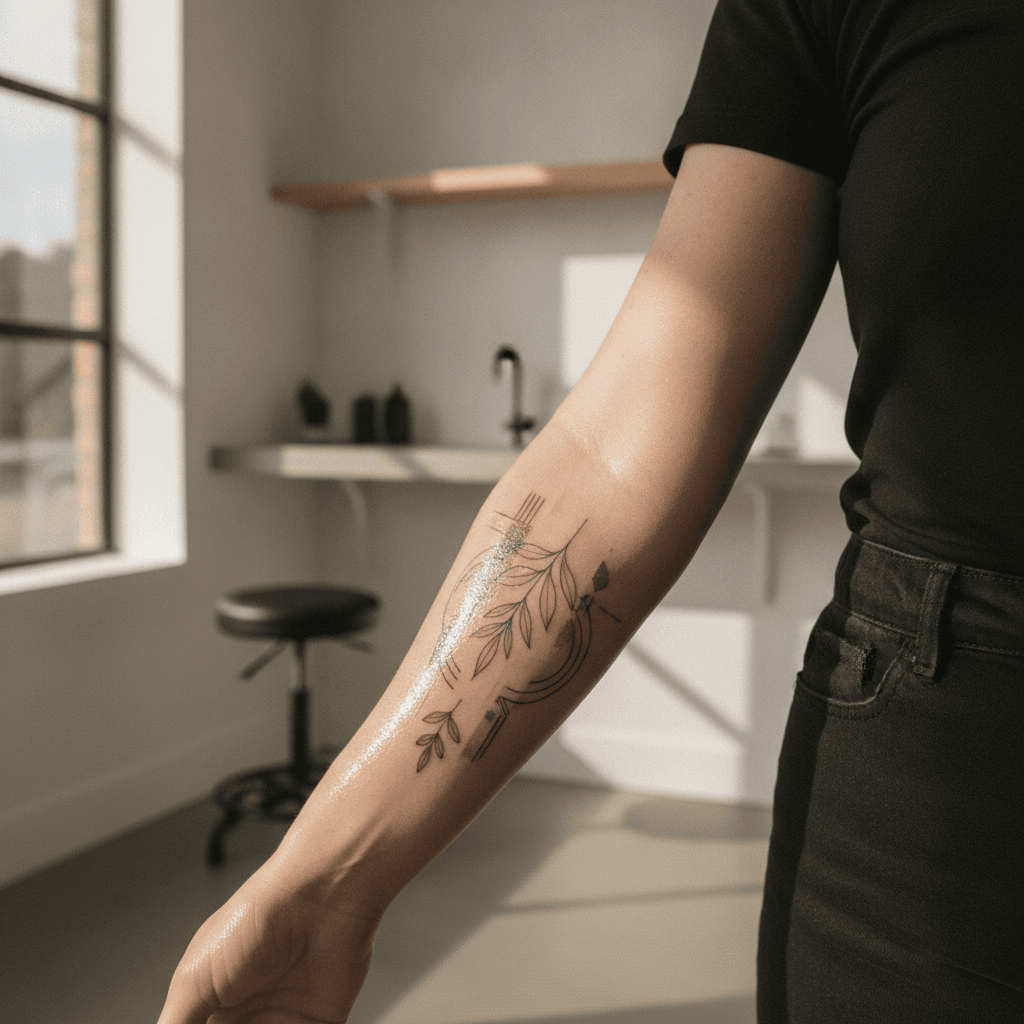
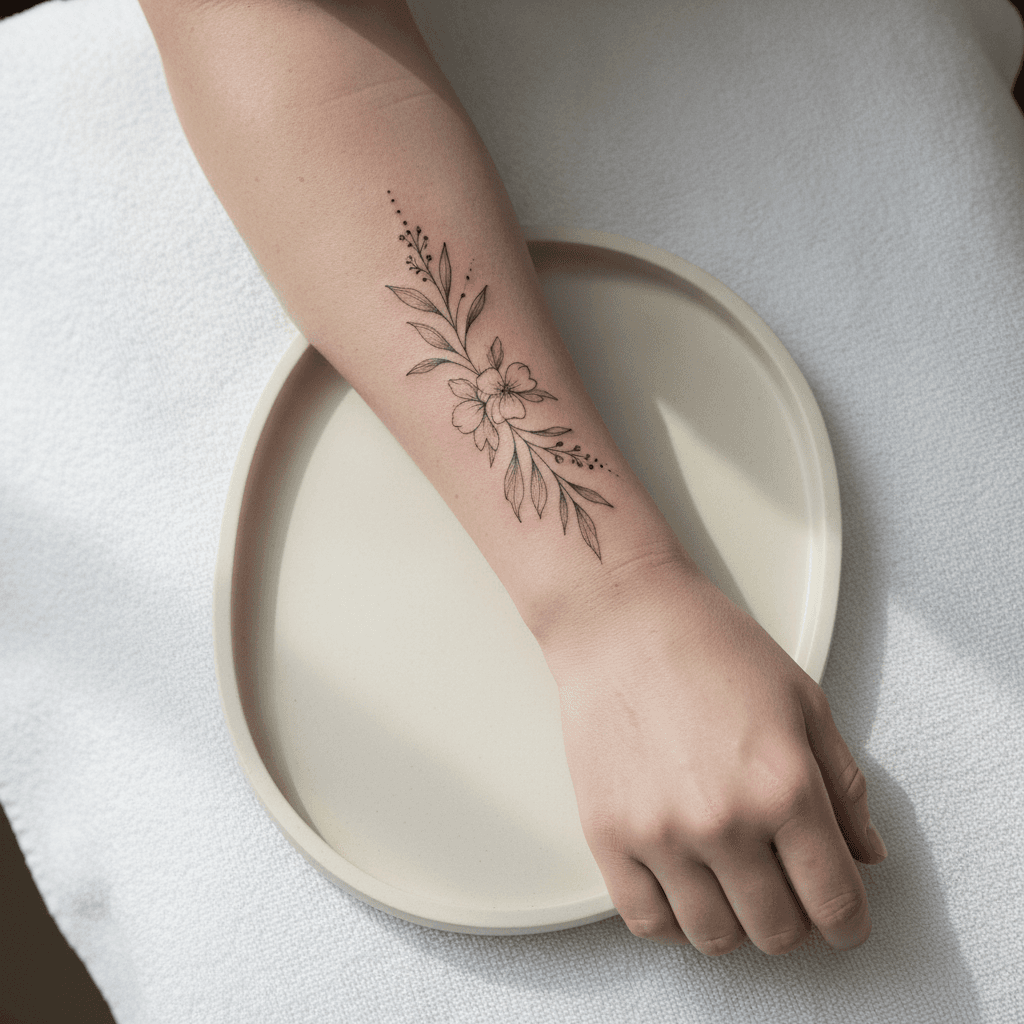
You walk out of the studio with a wrapped forearm, get home, peel back the plastic, and there's a slick of clear yellowish fluid smeared across the design. Nothing was mentioned about this, and now the panic sets in. Weeping is one of the most common first-night surprises for first-time clients, and in almost every case it means your body is doing exactly what it's supposed to do. This guide covers what that fluid actually is, how much is too much, and the specific handful of signs that separate normal healing from a real problem.
What weeping actually is
The fluid seeping from a fresh tattoo is a mix of blood plasma, lymph, and diluted tattoo ink. When the needle punctures the dermis at 80 to 150 hits per second, it creates thousands of micro-wounds. Your body responds by flooding the area with plasma to start clotting and immune cells to start cleaning up. That plasma is the clear straw-colored or slightly pink fluid you see leaking through the wrap or onto your sheets. It is not pus, it is not infection, and it is not the ink falling out.
Color-wise, expect a spectrum from clear to yellowish to pale pink. Bigger pieces and higher-saturation color work leak more because more skin was worked. A palm-sized black-and-grey piece on a forearm might weep for 12 to 24 hours. A full color half-sleeve can weep visibly for the full 48. Rib pieces and inner-bicep work often weep longer than expected because the skin there is thinner and gets more mechanical stress from movement. If you want a full walkthrough of what happens after the weeping stops, the tattoo healing timeline day by day covers weeks one through four in detail.
Hour by hour: what to expect
The first six hours after the tattoo is finished are the heaviest weeping window. Your artist has probably sent you home in either a Saniderm-style adhesive wrap or a plastic film taped down. Both trap plasma against the skin. Under a plastic film wrap, you will see fluid pooling within an hour. Under Saniderm, you get a visible reservoir of pinkish liquid that can look alarming but is contained by design.
Between 6 and 24 hours in, weeping continues but tapers. This is the messy window if you are in a plastic wrap. Most artists recommend removing plastic film after 2 to 6 hours, washing the tattoo, and either going bare or reapplying a fresh adhesive. If you are in Saniderm and the wrap is still sealed, leave it alone. The Saniderm tattoo aftercare guide walks through exactly when to change it and when to leave it. From hour 24 to 48, weeping should visibly slow. You will still see moisture when you clean the tattoo, but the volume drops from steady leak to occasional dampness.

By the end of 48 hours, most tattoos have stopped actively weeping and have entered the tacky, slightly shiny phase before scabbing starts. Some larger or heavily saturated pieces keep weeping into day three, which is still within normal range. Anything past day four with active drainage is worth a second look.
How to clean a weeping tattoo without wrecking it
The instinct is to wipe. Fight it. Wiping drags plasma across the fresh ink, smears the healing surface, and can pull pigment from the shallowest layers. Instead, use lukewarm water and a fragrance-free liquid soap. Wash your hands first, run the tattoo under gentle running water, and use your clean fingertips to lather the soap in a light circular motion. No washcloths, no loofahs, no scrubbing. The whole wash takes about 30 seconds.
Pat dry with a clean paper towel, or air dry for 10 to 15 minutes if you can. Never use a bath towel — they carry laundry residue and bacteria, and the fibers snag. Once the skin is dry, apply a thin layer of aftercare. If you're not sure what to reach for, the best lotion for a new tattoo breaks down which formulations sit well on fresh ink versus which ones clog it.
- Wash 2 to 3 times in the first 24 hours, more if you notice heavy plasma buildup
- Use fingertips only, never a cloth
- Apply moisturizer in a layer thin enough that the tattoo still looks matte, not shiny
- Sleep on a clean cotton sheet with a dark old towel underneath to catch overnight leak
Overnight is when most clients panic. You wake up to a Rorschach smear of plasma and ink on your sheets. That transfer is normal, and the ink in the smear is surface residue, not the actual tattoo pigment. Wash the tattoo, replace the sheet, and move on.
When weeping means something is wrong
Real infection is rare in properly done tattoos, but it happens, and the earlier you catch it the better. The specific signals to watch for are not about the presence of fluid but about how the fluid and the surrounding skin change.
Cloudy or opaque yellow-green discharge with a bad smell is pus, not plasma. Plasma is thin and translucent. Pus is thick and opaque. If you see pus, message your artist with a clear photo and contact a doctor the same day. Redness that spreads outward from the tattoo edge in a growing halo, especially with warmth to the touch and streaking lines running away from the site, is a sign of cellulitis and needs urgent medical attention. Fever, chills, or nausea alongside a fresh tattoo means you get in a car and go to urgent care, not the artist. The full checklist is in the signs of tattoo infection guide.
Excessive weeping past day four, especially if the fluid is getting thicker or darker rather than tapering, is also worth flagging. Same with any weeping that returns after it had stopped, which can signal that a scab was pulled off too early or that the skin has been re-injured. Blood, as opposed to plasma, is a different concern. Small amounts of pink-tinged fluid in the first 12 hours are fine. Actual red bleeding past 24 hours suggests either a heavy hand from the artist, a blood thinner in your system, or that the wrap and clothing are abrading the surface.
What makes some tattoos weep more than others
Not every fresh tattoo leaks the same amount, and the differences are predictable once you know what drives them. Placement matters more than size. Inner-bicep, ribs, sternum, and behind-the-knee tattoos consistently weep more because the skin is thinner and the lymphatic drainage in those areas is more active. A quarter-sized wrist tattoo can weep less than a two-inch inner-bicep piece purely because of the tissue.
Style and saturation drive the second biggest variable. Solid black fills, dense color packing, and heavy shading all involve more needle passes over the same skin, so more plasma is called in. Fine-line work with minimal shading weeps the least. Traditional and neo-traditional pieces with saturated color weep more and longer than dotwork of similar size. Body chemistry plays a smaller but real role. People who drank alcohol the night before, are on aspirin or blood thinners, or have a naturally thinner skin type tend to weep more. If you're planning your next session and want to minimize the mess, the drinking alcohol after a new tattoo guide covers what to skip in the 48 hours before and after your appointment.
Frequently asked
Is it normal for my tattoo to still be weeping on day three?
For small to medium pieces, weeping past day three is at the outer edge of normal but not automatically a problem. Large pieces, color work, and tattoos on high-movement areas like elbows or ribs can drain lightly for 3 to 4 days. Check the color and consistency. Thin, clear-to-pale-pink fluid is still plasma. Thick, opaque, or foul-smelling drainage is not.
Should I wrap my tattoo again after it weeps through the first bandage?
Only if your artist told you to. Second wrapping is standard with Saniderm-style adhesives, where you replace the wrap after 24 hours and leave the second one on for 3 to 5 days. With plastic film wraps, most artists want the tattoo unwrapped after the first few hours. Re-wrapping plastic traps bacteria and can macerate the skin.
Why is my tattoo weeping ink? Am I losing pigment?
The dark fluid you see is a mix of plasma and surface ink that never fully entered the dermis. Actual tattoo pigment sits deeper than the weeping layer and is not what's draining. Your tattoo will look faded and cloudy for the first two weeks, which is the healing surface layer, not the final result. The color you see once the skin fully heals at week 3 or 4 is your real tattoo.
Can I sleep on my fresh tattoo if it's still weeping?
Try not to. Sleeping directly on the tattoo compresses the wound, can stick fabric to fresh plasma, and causes more mess to clean up. If the placement makes it hard to avoid, put a clean cotton t-shirt or paper towel between the tattoo and the sheet, and change position when you can. The sleeping with a new tattoo guide has placement-specific tips.
Does more weeping mean a better or worse tattoo?
Neither. Weeping volume tracks the amount of skin worked and your individual biology, not the quality of the tattoo. A gently weeping tattoo and a heavily weeping tattoo can heal into identical final results if aftercare is done properly. Do not read weeping as a report card on your artist.
When should I stop worrying about weeping and start worrying about infection?
Draw a mental line at 72 hours. Up to that point, clear-to-pink drainage is expected. After 72 hours, drainage should be minimal to none. If you see yellow-green thick fluid, spreading redness, warmth, red streaking, or feel systemically unwell at any point in the healing process, that's the moment to stop guessing and get eyes on it from a professional.