aftercare
Tattoo Swelling: What's Normal in the First 48 Hours
Tattoo swelling peaks between 24 and 48 hours after your session. Here is what is normal, what is not, and what to do before you worry about infection.
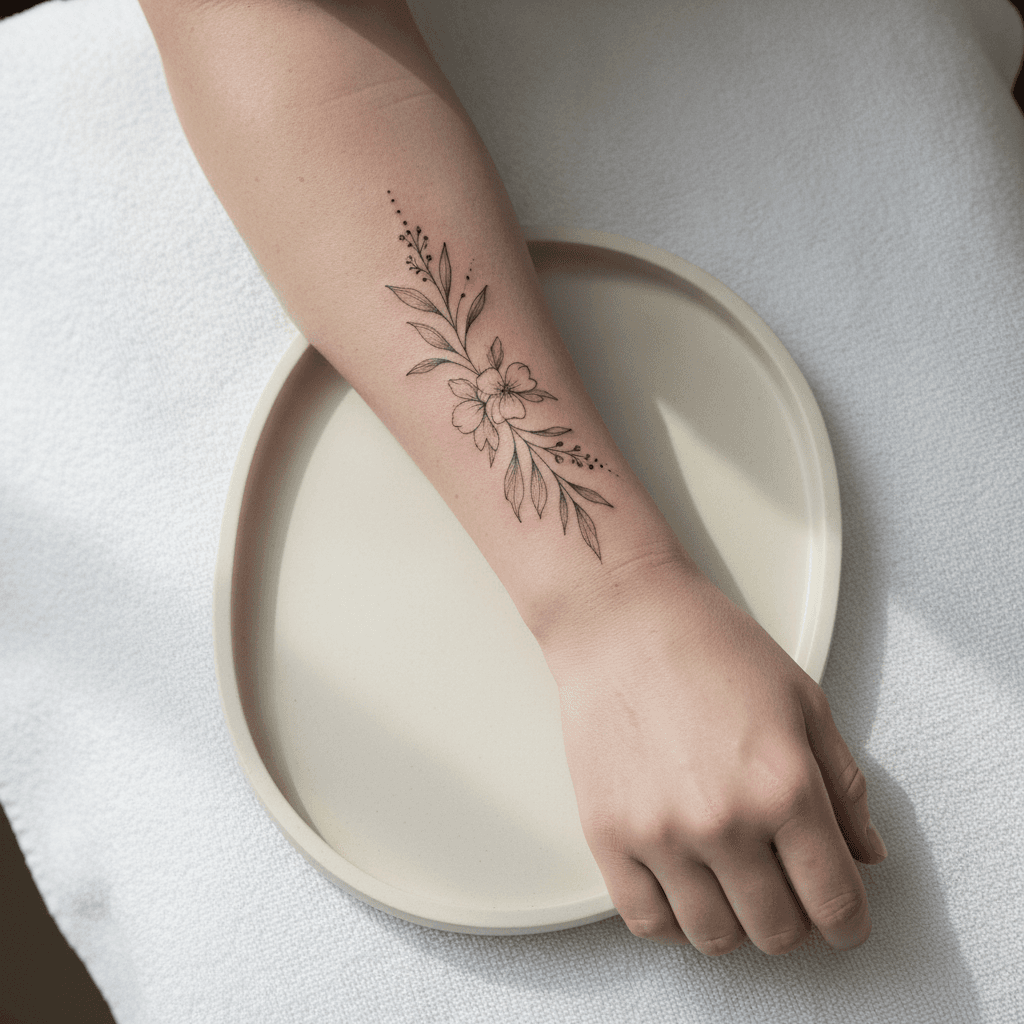
A fresh tattoo is an open wound your body treats like any other skin injury. Swelling in the first 48 hours is part of that response, not a warning sign on its own. The real question is whether the puffiness, warmth, and tightness around your new piece fit the normal inflammatory curve or push past it.
Why fresh tattoos swell in the first place
Tattoo needles puncture the skin somewhere between 50 and 3,000 times per second depending on the machine and the artist's technique. Each pass drives ink past the epidermis into the dermal layer and triggers a localized inflammatory response. Blood plasma, white blood cells, and lymphatic fluid rush into the tissue to begin repair, and that fluid is what you see and feel as swelling.
The reaction is not an injury on top of an injury. It is the first stage of healing, and dermatologists classify it alongside any other acute wound response. A linework session that lasts 90 minutes creates less inflammation than a four-hour color-saturation sitting on the ribs, because volume of trauma scales with time, needle depth, and skin density. If you walked out of a long session with visible puffiness, your body is doing exactly what it should.
Swelling also depends on where the tattoo sits. Loose connective tissue around the ankle, foot, wrist, and inner bicep holds more fluid than dense areas like the shoulder blade or outer thigh. A finger tattoo can double in visual thickness overnight while a back piece of the same size shows almost no visible puffiness. Placement is the single biggest predictor of how dramatic your first 48 hours will look.
The normal 48-hour swelling curve
Expect swelling to start within four to six hours of leaving the studio, climb through the first overnight stretch, and peak somewhere between hour 24 and hour 48. By the end of day two most people see visible improvement. By day four the softness is usually gone even if the tattoo still feels tight.
Normal swelling has a few recognizable traits. The area feels warm but not hot. Pressing a clean finger near the edge leaves a brief indent that bounces back within a second or two. Redness fans out one to three centimeters past the tattoo border and fades as you move outward, rather than forming a hard red ring. Clear or lightly tinted fluid may weep from the tattoo for the first 24 hours. This is plasma mixed with trace ink and is a healthy sign that the skin is sealing itself.
Some soreness is expected and often described as a cross between a sunburn and a bruise. Over-the-counter ibuprofen reduces both pain and swelling if you tolerate NSAIDs, though artists disagree on whether to use it in the first 24 hours since it is a mild blood thinner. If you take it, wait until after the session ends. For a step-by-step breakdown of the full recovery window, our day-by-day tattoo healing timeline maps every stage from immediate post-session to full dermal recovery around week four.
How swelling differs by placement
Lower leg, foot, and ankle tattoos consistently swell the hardest. Fluid pools downward with gravity, so walking around for even a short period on day one amplifies the effect. Many artists tell clients to elevate the leg above heart level for the first evening and sleep with a pillow under the calf. The swelling is still normal, it just looks more alarming than the same ink would on an arm.
Ribcage, sternum, and inner-bicep placements swell less in volume but feel worse because the skin is thinner and sits over bone or soft tissue that resists expansion. Expect bruising alongside the puffiness. The bruising often outruns the tattoo border by three to five centimeters and shifts from red to purple to greenish-yellow over four to six days. That is pooled capillary blood, not an infection, and it is more common on anyone who exercises hard, has thin skin, or takes blood thinners.
Hand, finger, and head tattoos are the swelling edge cases. Hands puff up quickly because of loose dorsal skin and constant movement. Scalp tattoos can produce impressive forehead and eye swelling by day two since fluid drains downward through facial tissue. Both resolve on the same 48-hour peak timeline but look worse at the top of the curve. Tattoo aftercare over joints covers the specific movement and bandage adjustments that keep elbow, knee, and knuckle work healing cleanly despite the extra motion.
When swelling is not normal
A handful of signs mean you need to stop watching and act. Heat that radiates several inches beyond the tattoo border, rather than mild warmth at the surface, suggests the inflammatory response has escalated. A hard red ring with a sharp edge forming around the tattoo, especially after day three when swelling should be fading, is a classic early infection pattern. Pus that is yellow, green, or thick white, as opposed to the clear plasma of the first 24 hours, is a direct infection signal and warrants a same-day urgent care visit.
Fever above 38 C or 100.4 F, chills, swollen lymph nodes in the groin or armpit nearest the tattoo, or red streaks fanning out from the piece are escalation signs that call for immediate medical attention. These point toward cellulitis, which spreads fast and needs antibiotics. Signs of tattoo infection walks through every warning sign with photo-level detail, including the subtler ones that get missed.
Allergic reactions are a separate pattern and can mimic infection on day two or three. Red ink, especially cadmium-based or azo-pigment formulations, triggers more allergies than any other color. Watch for raised, itchy bumps that follow only the red areas, not the entire tattoo. True ink allergies rarely resolve on their own and need a dermatologist's evaluation.
- Warmth beyond three centimeters past the tattoo border
- Hard red ring with a sharp edge after day three
- Yellow, green, or thick white pus
- Fever at or above 38 C or 100.4 F
- Red streaks fanning away from the piece
- Rapidly increasing pain after day two instead of decreasing
Small things that bring swelling down
Elevation does more than any product. Keep the tattoo above heart level for 20 minutes every two hours during the first day, and sleep with the limb propped on a pillow for the first two nights. For back, chest, and torso pieces, elevation does not apply, but avoiding tight clothing over the area has the same effect by not restricting lymphatic drainage.
Cold compresses applied over a clean barrier, never directly on broken skin, cut swelling noticeably. Use a thin clean towel between an ice pack and the tattoo for 10 minutes at a stretch, no more than four times a day. Direct ice on a fresh tattoo risks frostbite and ink migration since the surrounding tissue is already compromised. Hydration helps the lymphatic system clear fluid, so drink 2.5 to 3 liters of water across the first two days.
Skip alcohol, long hot showers, and intense exercise for the first 48 hours. Alcohol thins blood and increases plasma weeping. Hot water increases blood flow to the surface and makes puffiness worse. Heart-rate-elevating workouts raise blood pressure and prolong the inflammatory window. A gentle 20-minute walk is fine. A heavy leg day is not. Our guide to washing a new tattoo covers the specific water temperature, soap choice, and pat-drying technique that keeps the healing window on track.
Frequently asked
How long does tattoo swelling last?
Visible swelling peaks between 24 and 48 hours and usually resolves by day four. Some residual tightness and tenderness can linger up to seven days, especially on hands, feet, and ankles. Anything still visibly puffy past day five with no improvement warrants a check-in with your artist and possibly a healthcare provider.
Is bruising around a new tattoo normal?
Yes, especially on ribs, inner biceps, chest, and anyone with thin skin or who took blood thinners before the session. Bruises can extend several centimeters past the tattoo and cycle through red, purple, and greenish-yellow over four to six days. They are not an infection sign unless accompanied by pus, fever, or expanding heat.
Should I take ibuprofen for tattoo swelling?
Ibuprofen reduces both pain and swelling and is safe for most people after the session ends. Follow the dosing on the label and avoid taking it for more than three consecutive days without a doctor's input. If you take blood thinners, have kidney issues, or are prone to stomach ulcers, acetaminophen is the safer choice for pain, though it will not help with swelling.
Can I ice a fresh tattoo?
Yes, with a clean barrier. Place a thin towel or paper towel between an ice pack and the tattoo. Ten minutes at a stretch, up to four times a day, is enough to reduce swelling without risking frostbite or ink migration. Never apply ice directly to broken skin.
Why is my tattoo more swollen on day two than day one?
That is the normal curve. Swelling peaks between 24 and 48 hours because the inflammatory cascade takes time to fully recruit fluid and immune cells to the site. Day two often looks and feels worse than day one even in a textbook healing process. If it is still worsening on day three with no signs of improvement, start watching for infection markers.
Does swelling affect the final healed tattoo?
In almost all cases, no. The ink is already deposited in the dermal layer below the swelling, so puffiness does not shift the design once it comes down. Severe prolonged swelling with heavy weeping can occasionally pull some ink out of the top layer and cause small patches of pale healing, which are easily fixed at a free touch-up around week six to eight.