aftercare
Tattoo Pimples and Breakouts: What's Normal During Healing
Tiny pimples on a healing tattoo usually mean clogged pores from heavy ointment, not infection. Here's how to tell the difference and clear them safely.
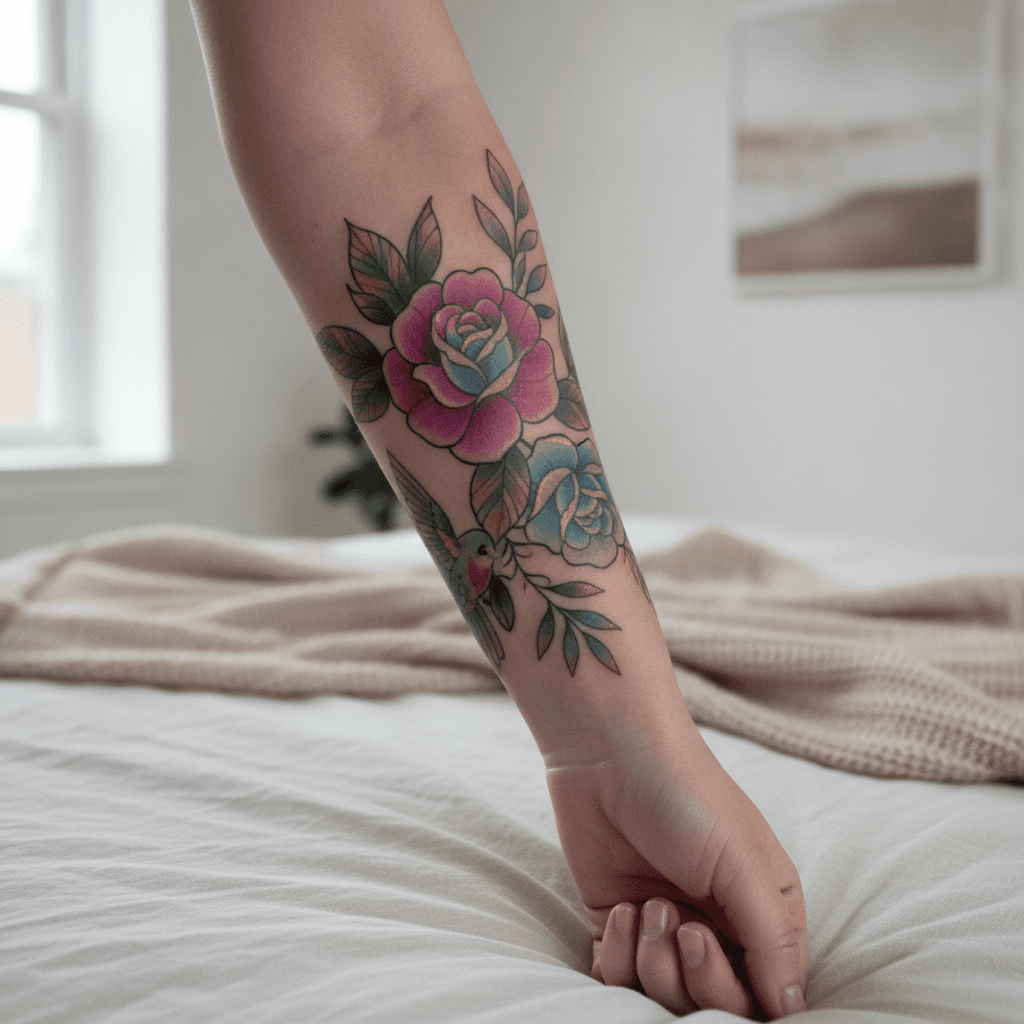
Finding a cluster of tiny bumps on a tattoo that was clean skin two days ago feels alarming, especially when the piece is color-packed or sitting over an oily zone like the chest or upper back. In most cases these bumps are not infection. They are clogged pores, trapped sweat, or a reaction to whatever product is sitting on the skin, and they clear within three to seven days with a simple aftercare swap. Knowing the difference between a benign breakout and a real complication is the whole game.
Why pimples show up on fresh tattoos
A new tattoo is an open wound covered in product. Standard aftercare asks you to apply a thin layer of ointment or lotion three to five times a day for the first week, which is exactly the environment pores need to clog. Petroleum-based ointments like Aquaphor and A&D are the top offenders because they create an occlusive seal that traps sebum, sweat, and dead skin cells against the surface. On tattoos placed over the back, chest, shoulders, or thighs, where sebaceous glands are dense, the risk climbs further.
The second common trigger is friction and sweat. Fresh tattoos covered by tight clothing during a hot day, a workout, or an overnight sleep in warm bedding will often develop small white heads along the healing surface. These are miliaria, sometimes called sweat rash, and they look like tiny clear or white domes two to three millimeters across. They are not the same as acne but they look similar enough to cause panic.
A third cause is a mild contact reaction. Scented soaps, antibacterial washes with triclosan, laundry detergent residue on sheets, and even dryer sheets can irritate the healing dermis enough to produce red bumps that resemble pimples. If the bumps follow a line that matches a fabric seam or a sheet crease, contact reaction is the likely culprit. For a wider look at what to avoid during this window, see our guide on tattoo aftercare products to avoid.
How to tell pimples apart from infection
This is the part worth memorizing because the stakes are different. Harmless breakouts stay small, stay cool to the touch, do not spread beyond the tattooed area, and clear with aftercare adjustments. Infection does the opposite.
Clear signs you are dealing with normal breakouts:
- Bumps are 1 to 3 millimeters, uniform in size, with white or clear heads
- Skin around them is not hot, not red beyond the tattoo lines, not swollen
- No fever, no body aches, no pus with a yellow or green tint
- The piece still looks saturated and the lines are sharp
- Bumps appear in friction or sweat zones, not along a single artist pass
Signs that point to infection, not acne:
- Spreading redness that extends 1 cm or more beyond the tattoo border
- Hot, taut skin that hurts to touch past day three
- Yellow or green pus, not clear lymph fluid
- Red streaks moving away from the tattoo toward the heart
- Fever above 38 degrees Celsius or 100.4 Fahrenheit
- Swollen lymph nodes in the armpit, groin, or neck closest to the tattoo
If three or more of the infection signs show up, stop self-treating and see a doctor or urgent care within 24 hours. For the full checklist, cross-check with our breakdown on signs of tattoo infection.
Allergic reactions look different and need a different response
Red ink allergies in particular can mimic breakouts but behave in a specific way. The bumps appear only within the red or pink areas of the tattoo, feel itchy rather than tender, and often develop weeks to months after the piece is otherwise healed. Yellow and green inks can also trigger reactions in a smaller percentage of people. If the bumps follow pigment boundaries instead of friction zones, you are not dealing with clogged pores and you need a dermatologist, not a lotion swap. The full picture lives in our tattoo allergic reaction guide.
Allergic bumps also tend to come back every time the area is warm, worked, or sweated on. Breakouts clear once and stay clear once you fix the aftercare. That recurrence pattern is the fastest way to tell them apart in week two or three.
Fixing a breakout without wrecking the heal
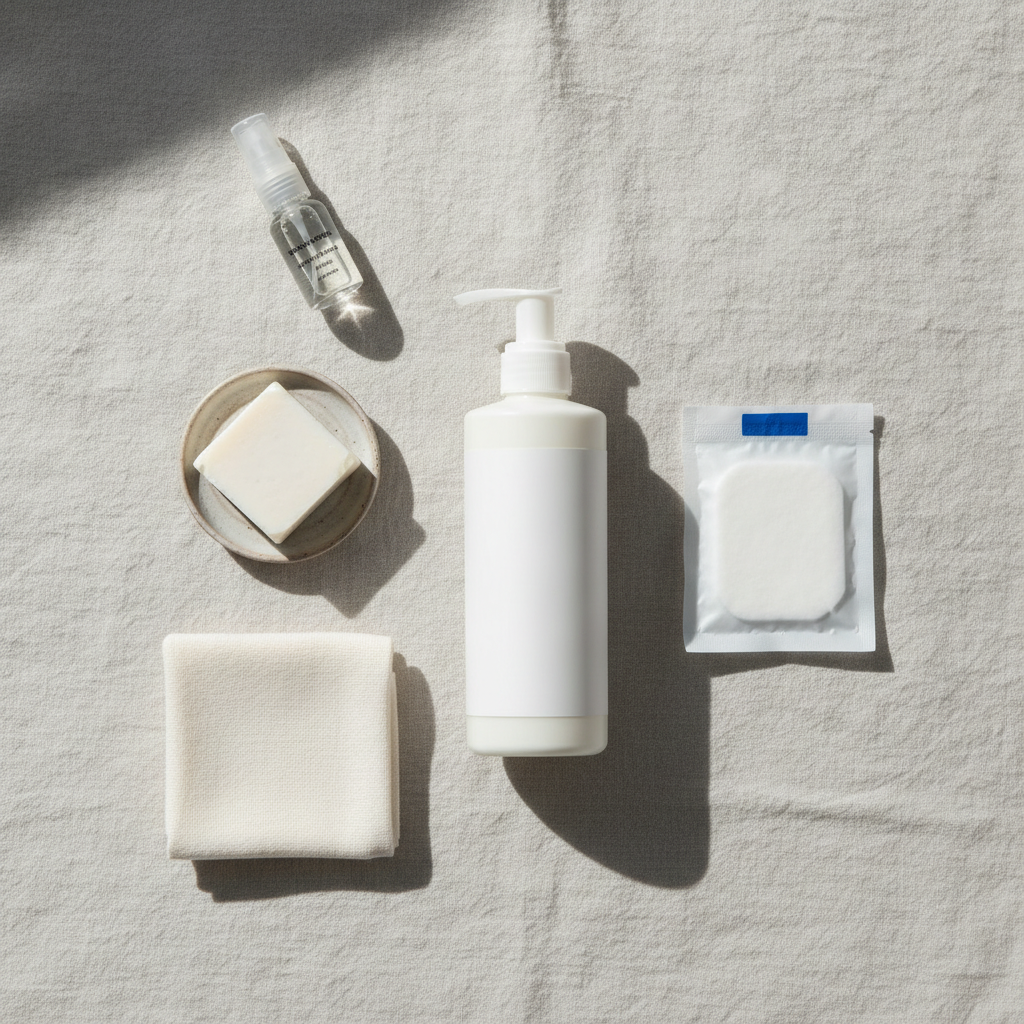
The first move is to drop the ointment. If you are on day three or later, you no longer need a petroleum base. Switch to a thin fragrance-free lotion like Lubriderm, Cerave, or Hustle Butter and apply only enough to leave the skin matte, not shiny. Over-moisturizing is the single biggest cause of tattoo pimples past the first 48 hours. If you need a refresher on the full healing window, our tattoo healing timeline day by day breaks it down.
A clean wash routine matters just as much. Rinse the tattoo twice a day with lukewarm water and a pea-sized amount of fragrance-free liquid soap, work gentle circles with clean fingertips for 20 to 30 seconds, then pat dry with a fresh paper towel. Do not use a loofah, washcloth, or exfoliating product on an active breakout because mechanical scrubbing opens the bumps and invites bacteria in.
Three practical adjustments that clear most breakouts within four days:
- Switch sheets and pillowcases to a fresh set every two nights until the tattoo closes
- Sleep in a loose cotton tee instead of letting the tattoo contact bedding directly
- Skip workouts that heavily sweat the area for 48 hours once bumps appear
Do not pop the bumps. Puncturing them during active healing can push ink out, cause pitting in the final piece, and open a route for staph. If a white head is extremely prominent, let a hot clean washcloth sit on it for 60 seconds twice a day until it drains on its own. That is the only intervention worth doing manually.
When topical acne treatments are and are not safe
Benzoyl peroxide, salicylic acid, and retinoids are the standard arsenal for everyday acne. On an open or scabbing tattoo, all three are off-limits because they strip the healing layer, bleach pigment, and extend healing by one to two weeks. Wait until the tattoo is fully closed, which usually lands between day 14 and day 21 for a medium piece, before any of these products touch the area. Even then, keep active ingredients off the pigment for the first two months. See the longevity angle in our retinol over tattoo fading timing breakdown.
A gentle non-foaming cleanser with a touch of niacinamide is the one exception worth considering past day 10. Niacinamide is anti-inflammatory, not keratolytic, and will not lift pigment at reasonable concentrations. If your skin is prone to breakouts and this tattoo is in a known trouble zone, start niacinamide only once peeling is complete.
Frequently asked
Can I pop a pimple on my new tattoo?
No. Popping it during the first two weeks risks pushing ink out of the dermis, creating a pit in the design, and introducing bacteria from your fingers. Let the bump drain on its own with a warm clean cloth if it is prominent. If a bump refuses to resolve past day 14, see a dermatologist rather than squeeze it.
Why am I only breaking out where the ointment goes?
Petroleum ointments like Aquaphor and A&D are occlusive, which means they lock sweat, sebum, and dead cells under a waxy layer. On oily skin or warm climates, that seal clogs pores within 48 to 72 hours. Switching to a thin lotion after day two or three almost always clears it.
How long will the pimples take to clear?
Clogged-pore breakouts from heavy ointment clear in three to five days once you switch to a lotion. Sweat rash clears in two to four days once the area stays cool and dry. Contact reactions clear in five to seven days once the irritant is removed. If nothing has changed by day seven, re-evaluate for infection or allergy.
Will the breakout affect the finished tattoo?
Not if you leave the bumps alone. Breakouts sit on the surface of the skin while the ink lives in the dermis below, so the pigment stays intact. The only way breakouts damage the final result is if you pop them, scratch them open, or let them turn into a secondary infection that cuts into the dermis.
Can I work out if I only have a few bumps?
Skip heavy sweating until the bumps are gone, which is usually two to four days. Light walking is fine. Returning to the gym while actively breaking out keeps feeding the cycle because sweat trapped against the piece is often the original trigger. Full detail in our working out after new tattoo guide.
Is Hustle Butter better than Aquaphor for breakout-prone skin?
For most people past day two, yes. Hustle Butter is shea and coconut-based, lighter than petroleum, and absorbs instead of sealing. It is not sterile the way medical-grade ointments are, so for the first 24 to 48 hours a thin layer of Aquaphor still has a role. After that, lighter is better on skin that clogs easily.