cost guides
Tattoo Cost by Artist Experience Level: Apprentice to Master
What tattoo artists charge by experience tier: apprentice rates from $50 flat, mid-level $150–$250/hr, senior $250–$400/hr, master $500–$1,000+/hr.
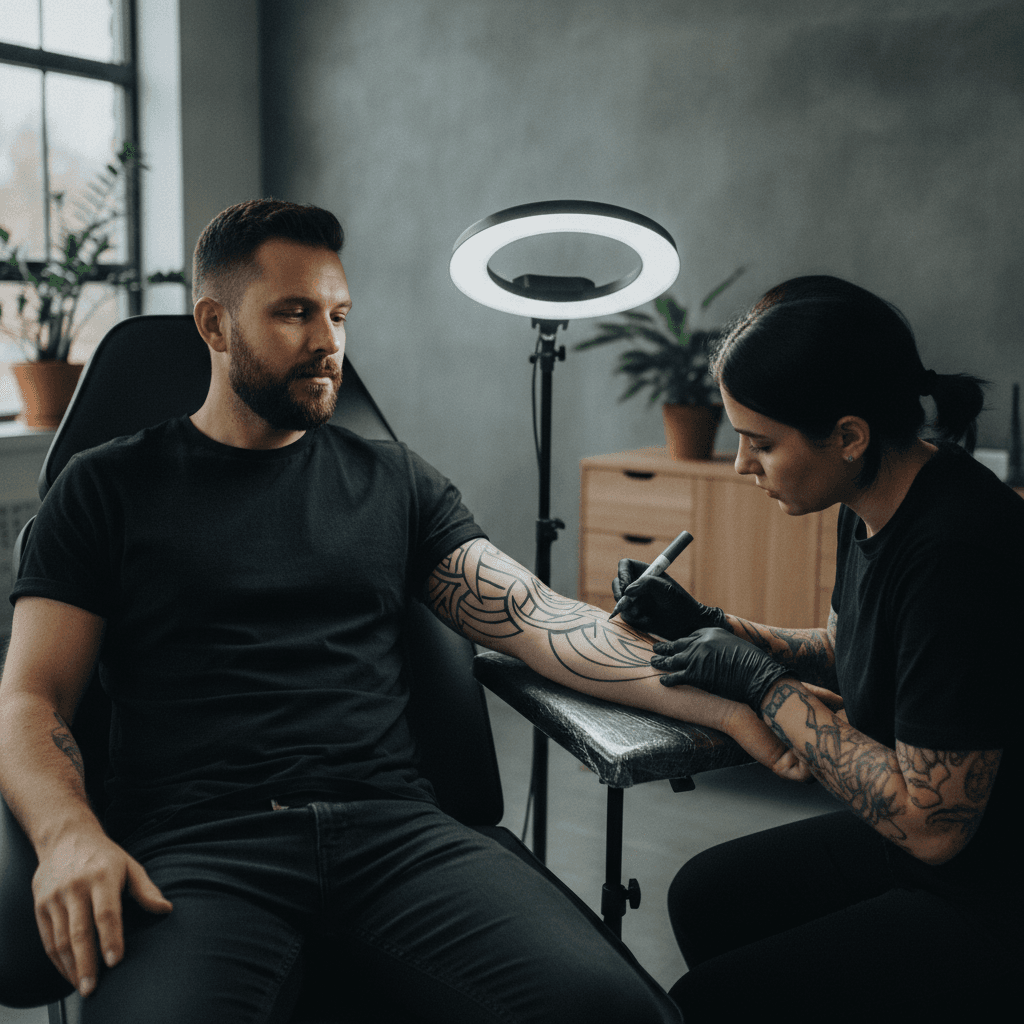
Artist experience is the single biggest lever on what a tattoo costs, and it is the one most first-timers misread. Two artists in the same shop, working the same three-hour slot, can quote you $450 and $1,200 for the same forearm piece. The difference is not markup. It is years behind the machine, portfolio depth, healed-work track record, and demand. This guide breaks down what each tier actually charges in 2026, what you get for the money, and where the smart spend sits for the piece you want.
The four tiers, and what each one charges
Tattoo pricing sorts cleanly into four experience tiers once you strip out geography. Apprentices typically work under a mentor for one to three years, take walk-ins and small custom pieces, and charge between $50 and $100 as a flat rate for anything that fits in an hour. Some shops set a hard $60 minimum for apprentice work regardless of size. Mid-level artists with three to seven years of solo work charge $150 to $250 per hour, sometimes $200 flat for palm-sized flash. Senior artists with seven to fifteen years and a strong Instagram presence run $250 to $400 per hour, often with a deposit of $200 to $500 that goes toward the final total. Master-tier artists, the ones with waitlists measured in months and features in industry press, charge $500 to $1,000 per hour, and a few well-known names in Los Angeles, New York, and Tokyo now clear $1,500 per hour for guest spots.
Those numbers assume standard US metro pricing. Bangkok, Bali, Berlin, and Mexico City run 30 to 50 percent cheaper across every tier, which is why tattoo tourism is a real category. See our prices and tattoo tips for Bali for one specific example of how the same tier translates across markets.
What actually changes between tiers
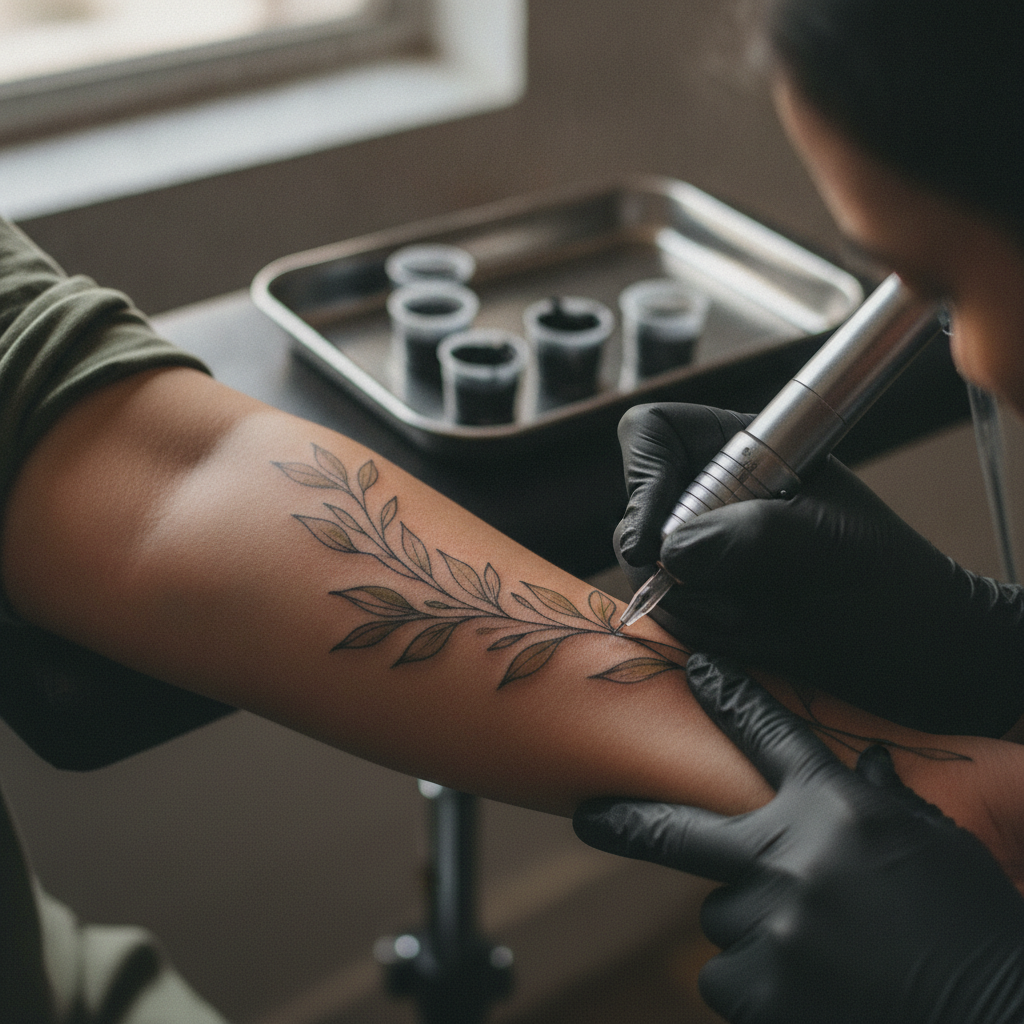
The gap between an apprentice and a senior is not steady hands. Most apprentices past their first six months can pull a clean line. What changes is judgment. A senior artist knows which line weight will still read at ten years, which black will fade to green on your skin tone, which spot on your forearm will blur first because of joint flexion, and how to build a composition that ages well through skin changes across two decades. Apprentices can execute a design competently. Seniors design for the long game.
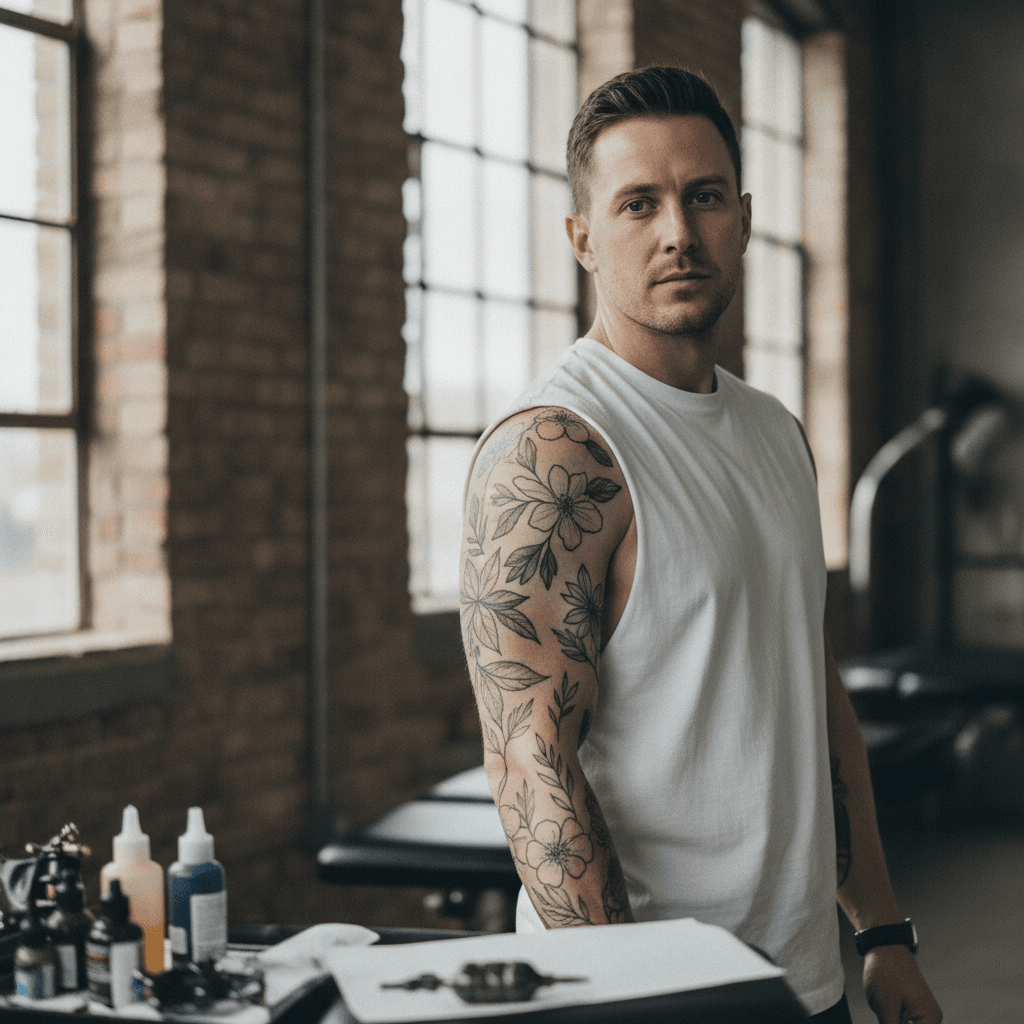
Portfolio range widens with each tier as well. An apprentice usually shows fifteen to thirty pieces, most in a narrow style. A mid-level artist shows two hundred plus and has usually specialized. A senior artist has a healed-work portfolio, meaning photos taken six months to two years after the session, which is the only honest measure of how their work holds up. Masters have healed-work portfolios spanning ten years and multiple skin tones, and they can point to specific pieces and tell you exactly what they would do differently now.
Session efficiency also improves. A three-hour block with a senior often covers what would take a mid-level artist four to five hours, so the higher hourly rate partly cancels itself. Rough math: 4 hours at $200 is $800. 3 hours at $300 is $900. The senior finishes the same piece for $100 more, and the linework is tighter.
When to pay up, when to save
Spend up when the piece is large, visible, or complex. Full sleeves, back pieces, ribcage compositions, portraits, and anything with color blending should go to a senior or master. The cost of a bad sleeve is not the sleeve, it is the $2,000 to $6,000 laser removal or the cover-up that will always be a compromise. Our cover-up tattoo cost guide shows how quickly the math flips when a first attempt goes wrong.
Save on small, simple, symmetrical pieces. A single-needle heart on your ankle, a two-inch script on your wrist, a small dot-work triangle behind your ear. An apprentice with six months in the shop can execute these cleanly. A mid-level artist charging $200 flat is spending 40 minutes on it. Both will heal identically if aftercare is decent. The difference in permanence between a $60 apprentice ankle piece and a $200 mid-level ankle piece is close to zero, assuming both artists have basic technical control.
The middle ground is where most people misspend. Paying senior rates for a piece a mid-level artist could execute perfectly is common when someone books based on Instagram fame alone. Paying apprentice rates for a piece that needs real judgment is where you get blowouts, poor placement, and regret.
Regional and format modifiers
Two variables shift these tiers up or down before the artist has done anything. Location: New York, Los Angeles, London, Tokyo, and Sydney sit at the top end of each tier. Mid-sized US cities sit at the middle. Southeast Asia and Latin America sit 30 to 50 percent below. A senior artist in Chiang Mai charging $150 per hour is doing the same work a New York senior charges $350 for. Skill is portable, cost of living is not.
Format matters too. Convention spots and guest artist appearances usually run 20 to 40 percent above that artist's home-studio rate because demand spikes and slots are limited. A master artist doing a guest week in Berlin might charge $800 per hour for that week when their home rate is $600. Private studios charge more than street-facing shops because overhead is higher and clientele is filtered. Home-studio artists, where legal, sometimes charge less than shop rates because they skip the 40 to 50 percent shop cut, but you lose the sterilization guarantees a licensed shop provides.
- Apprentice: $50–$100 flat, one hour max
- Mid-level (3–7 years): $150–$250 per hour
- Senior (7–15 years): $250–$400 per hour
- Master (15+ years, waitlist): $500–$1,000+ per hour
- Convention or guest spot: +20% to +40% above home rate
- Bangkok, Bali, CDMX, Berlin: -30% to -50% across all tiers
A three-hour session with a senior artist and a five-hour session with a mid-level artist often cost within $100 of each other. Efficiency closes the gap.
How to verify the tier before booking
Instagram follower count is not the tier. Plenty of mid-level artists have 200,000 followers because they post well. Plenty of masters have 15,000 followers because they hate posting. The three things that actually indicate tier are: healed-work photos in the portfolio taken at six months plus, waitlist length (masters are booked out three to twelve months), and whether the artist can explain in one sentence why they would push back on your design idea. An artist who says yes to everything is not senior, regardless of rate.
Ask the shop directly what tier the artist sits in. Reputable shops will tell you honestly, because they want you paired with the right person for the piece. If the shop dodges the question, that itself is signal. For deposit norms across tiers, see our tattoo deposit guide.
Frequently asked
Are apprentice tattoos safe? Yes, when the apprentice is working in a licensed shop under supervision. The health and sterilization protocols are set at the shop level and apply to every station. Apprentice pieces heal identically to senior pieces when aftercare is followed. The risk with apprentices is aesthetic, not medical: a line weight that ages poorly, a placement that stretches, a composition that does not flow with the body.
Why do some artists charge $1,000 per hour when others charge $200? Because their time is genuinely more constrained. A master with a twelve-month waitlist is turning down more work than they accept. The hourly rate is a filter, not a markup. It also reflects a level of judgment that took fifteen to twenty years to build, which is not something an artist five years in can match by charging more.
Can I negotiate the hourly rate? Almost never on the rate itself. You can sometimes negotiate the estimated hour count if you are flexible on design complexity, session count, or whether color is included. Asking a senior artist to drop $300 per hour to $200 signals you are not a serious client and gets you politely declined.
Is it worth flying to Bangkok or Bali for a cheaper artist? Only if the total cost including flights, hotel, and time off work still comes in under the equivalent home-country piece and you have vetted the artist's healed portfolio. For a large sleeve or back piece, the math often works. For a two-hour forearm piece, the travel wipes out the savings and you have no recourse if you need touch-ups.
How do I know if I am being overcharged? Compare three quotes from artists at the same tier in your city for the same piece. If one is 30 percent above the other two with no obvious portfolio justification, that is a fame premium, not a skill premium. Fame premium is fine to pay if you want that specific artist's aesthetic, but call it what it is.
Do apprentices tip differently? Yes. Tip apprentices generously in percentage terms because the flat rate is low. A 30 to 40 percent tip on a $60 apprentice piece is still just $20 to $25 and it goes directly to the person doing the work. See our tattoo tipping guide for the full etiquette breakdown across tiers.