aftercare
Tattoo Aftercare on Dark Skin: What Actually Changes
Deeper skin tones heal tattoos differently. Here is what to expect with dryness, hyperpigmentation, and ink visibility from day one to month three.

Dark skin heals a tattoo on the same biological timeline as lighter skin, but the visible signals and the long-term risks are different enough that a generic aftercare card will miss things that matter. Melanin-rich skin is more prone to post-inflammatory hyperpigmentation, ashy-looking dryness during the peel, and keloid-tendency scarring at the edges of a bad heal. This guide walks through what actually changes between day one and month three, which products earn the extra scrutiny, and how to spot trouble early on skin where redness reads as a dusky brown rather than pink.
Why melanin changes the aftercare picture
The healing cascade after a tattoo is inflammation followed by remodeling, and inflammation on dark skin can trigger melanocytes to overproduce pigment for weeks after the wound has closed. That is why a scab that gets picked, a sunburn on a healing piece, or an infection that gets ignored can leave a lasting halo of darker skin around the design long after the tattoo itself has settled. Fitzpatrick IV to VI skin types carry the highest risk here, and the discoloration can take six to twelve months to fade on its own. Keloid and hypertrophic scarring rates also run higher on deeper skin tones, which means anything that increases trauma during healing, aggressive scrubbing, tight compression clothing, repeated re-wrapping, becomes a compounding risk rather than a small annoyance.
Ink visibility is the other real variable. Black ink reads clearly on every skin tone, but red, orange, pastel pink, white, and yellow can lose contrast against darker undertones and look muted or invisible once the skin fully heals. Experienced artists compensate by increasing line weight, using bolder saturation, and skewing color palettes toward high-contrast choices like deep blues, forest greens, and rich burgundies. If you are booked for a colorful piece, ask to see healed photos on skin close to your tone before the appointment, not after.
The first 48 hours
Leave the initial wrap on for the time your artist specified, which is usually two to six hours for cling film and up to five days for Saniderm-style adhesive bandages. When you take the wrap off, wash once with lukewarm water and a fragrance-free, dye-free liquid soap, pat dry with a clean paper towel or a cotton cloth reserved for this purpose, and apply the thinnest possible layer of the ointment your artist recommended. On dark skin the temptation is to load up on product because the skin looks matte and thirsty, but a heavy layer suffocates the wound, traps plasma, and encourages the milky bubbling that leads to scarring.
Plasma weep is normal in this window and shows up as a slightly sticky, clear or straw-colored film. Wash it off gently, do not scrub. Watch for real warning signs that read differently on melanin-rich skin than on Google image results, which almost always show light skin. Infection on dark skin often looks like a dusky purple or grey-brown discoloration around the design rather than bright red, and the area feels hot to the touch and tender in a way that does not fade after a few hours. If in doubt, message your artist with a well-lit photo taken in daylight against a plain background so the color read is honest.
Days three through fourteen: the peel
Around day three or four the tattoo enters the peel and itch phase, and this is where dark skin diverges most visibly from lighter tones. The dead skin flakes off in a grey or ashy layer that can look alarming against your natural tone, particularly if you are on the deeper end of Fitzpatrick V or VI. This is not the ink coming out and it is not damage. It is stratum corneum shedding, exactly as it does on any skin type, but the contrast makes it more obvious. Do not exfoliate, do not peel the flakes off, and do not switch to a heavier occlusive to hide the look, because trapping the flakes under film delays the shed and increases the odds of post-inflammatory pigmentation change.
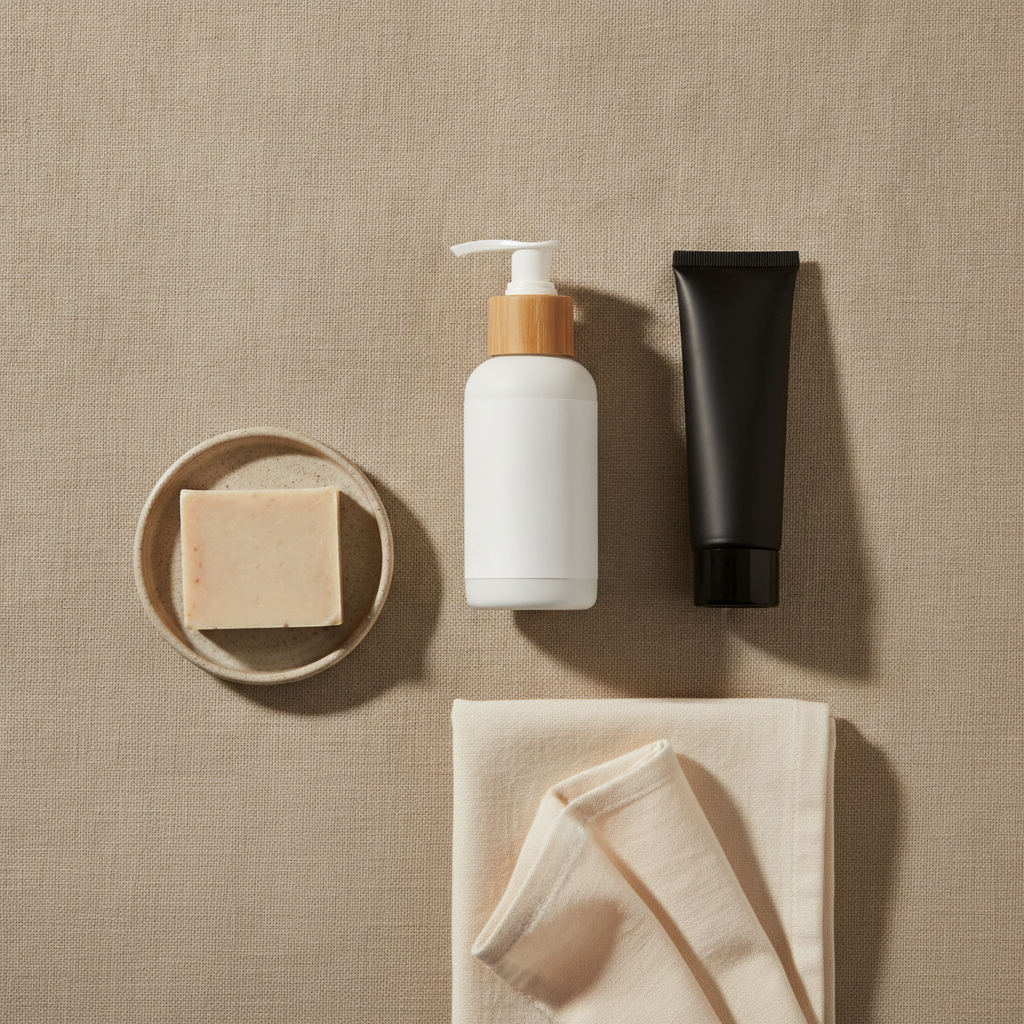
Switch from ointment to a fragrance-free lotion around day three to five, when the surface is no longer weeping. Product choice matters more here than for lighter skin because deeper tones react badly to a longer list of ingredients. Skip anything with essential oils, lanolin if you have a family history of eczema, alcohol denat, and citrus extracts. Reliable options include Aveeno Daily Moisturizing, CeraVe Daily Moisturizing Lotion, Aquaphor Healing Ointment in a very thin layer for the first days only, and Hustle Butter for people who tolerate shea and coconut. Apply two to three times a day, always with clean hands, and only enough to make the tattoo look faintly satin, never greasy.
The itch is the hardest part. Slap the area instead of scratching, keep nails short, and if the itch is genuinely disruptive at night, an antihistamine like cetirizine can take the edge off without interfering with healing. Scratching is where hyperpigmentation halos are born, so treat the impulse as a hard no rather than a soft guideline.
Weeks two through six: the settled look
By week two the surface looks healed, but the deeper dermis is still remodeling for another four to six weeks. The tattoo may look slightly cloudy or milky during this window, which is normal and clears as the epidermis thins back to baseline. If you have deeper skin, expect the piece to look about ten to fifteen percent softer in contrast than it did fresh, because the natural filter of pigmented epidermis sits over the ink permanently. Artists who work regularly on dark skin plan for this and choose line weights and saturation accordingly.
- Sunscreen is non-negotiable from week three onward. Use a mineral SPF 30 or higher, zinc-oxide based, and reapply every two hours if you are outside. UV exposure on a healing tattoo triggers pigment change faster on melanin-rich skin than on any other skin type.
- Avoid chlorinated pools, ocean water, and hot tubs until at least week four. Salt and chlorine both dry the surface and can pull scab material off prematurely.
- Skip retinoids, glycolic acid, and vitamin C serums over the tattoo for the first eight weeks. These sit high on the ingredient risk list for post-inflammatory pigmentation.
Long-term care and touch-up timing
Book the touch-up window at eight to twelve weeks, not earlier. Dark skin needs the full remodeling period before the artist can see which spots dropped ink and which are simply reading softer through healed epidermis. Rushing a touch-up at four weeks means re-traumatizing tissue that has not finished settling, which is a direct path to a pigmentation halo that outlasts the touch-up itself.
Skilled artists working on darker tones will often over-saturate on the first pass by design, expecting the healed color to sit ten to fifteen percent lower than it looks fresh. If your artist did this and the piece looks slightly harsh at week one, wait it out.
Long term, the same rules apply forever. Daily sunscreen on visible pieces, no aggressive exfoliation directly over the design, and a fragrance-free lotion whenever the area feels dry. If you develop a pigmentation halo despite doing everything right, azelaic acid ten percent and niacinamide five percent are the two dermatologist-recommended over-the-counter options that work on melanin-rich skin without bleaching risk. Hydroquinone is best avoided without a dermatologist's supervision because of the ochronosis risk on deeper tones with prolonged use.
Frequently asked
Does dark skin hold tattoo ink differently than lighter skin? The ink sits at the same dermal depth on every skin tone, but the pigmented epidermis above it acts as a soft filter that lowers contrast slightly. Black and bold colors read cleanly, while pastels and small color accents can look muted once fully healed. This is why experienced artists working on darker tones design for high contrast from the sketch stage.
What does an infected tattoo look like on dark skin? The bright red halo shown in most reference photos does not apply. On darker skin, infection reads as a dusky purple, grey-brown, or ashy discoloration that spreads beyond the tattoo edges, feels warm to the touch, and stays tender for more than a day. Any yellow or green discharge, spreading tenderness, or fever is a same-day call to a doctor, not the artist.
Will my tattoo scar or keloid? Dark skin carries a higher baseline risk for hypertrophic and keloid scarring, but the risk on a well-executed and well-aftercared tattoo is still low. The risk multiplies with picking scabs, aggressive scrubbing, tight clothing over the piece during healing, and repeated infections. If you have a personal or family history of keloids from piercings or surgery, tell your artist before the appointment so they can adjust needle pressure and pass count.
How do I fade a post-inflammatory hyperpigmentation halo? Give it six to twelve months of consistent sunscreen first, because most halos fade on their own without any product. If it persists, azelaic acid ten percent or niacinamide five percent applied daily can accelerate the fade without bleaching risk. Skip hydroquinone unless a dermatologist prescribes it, since long-term use on deeper skin tones carries an ochronosis risk that is worse than the halo itself.
Which lotions work best for dark-skinned aftercare? Fragrance-free, dye-free, and simple. Aveeno Daily, CeraVe Daily Moisturizing Lotion, Cetaphil Moisturizing Cream, and Hustle Butter all have long track records on melanin-rich skin. Skip anything scented, anything with essential oils, and anything marketed as brightening or exfoliating during the healing window.
Can I get a colorful tattoo on dark skin? Yes, with an artist who has a healed-photo portfolio on skin close to your tone. High-contrast colors like deep blues, forest greens, burgundy, and mustard hold beautifully. Pastels, whites, pinks, and yellows generally lose too much contrast to read well long term, so treat them as accent colors at most rather than the anchor of the piece.