Balinese Tattoo Designs and Their Meanings: A Respectful Guide
Frangipani, lotus, Barong, Garuda, naga, the Ongkara symbol and more: what Balinese and Indonesian tattoo designs mean, and how to wear them respectfully.
By Peachy Editorial · · 8 min read
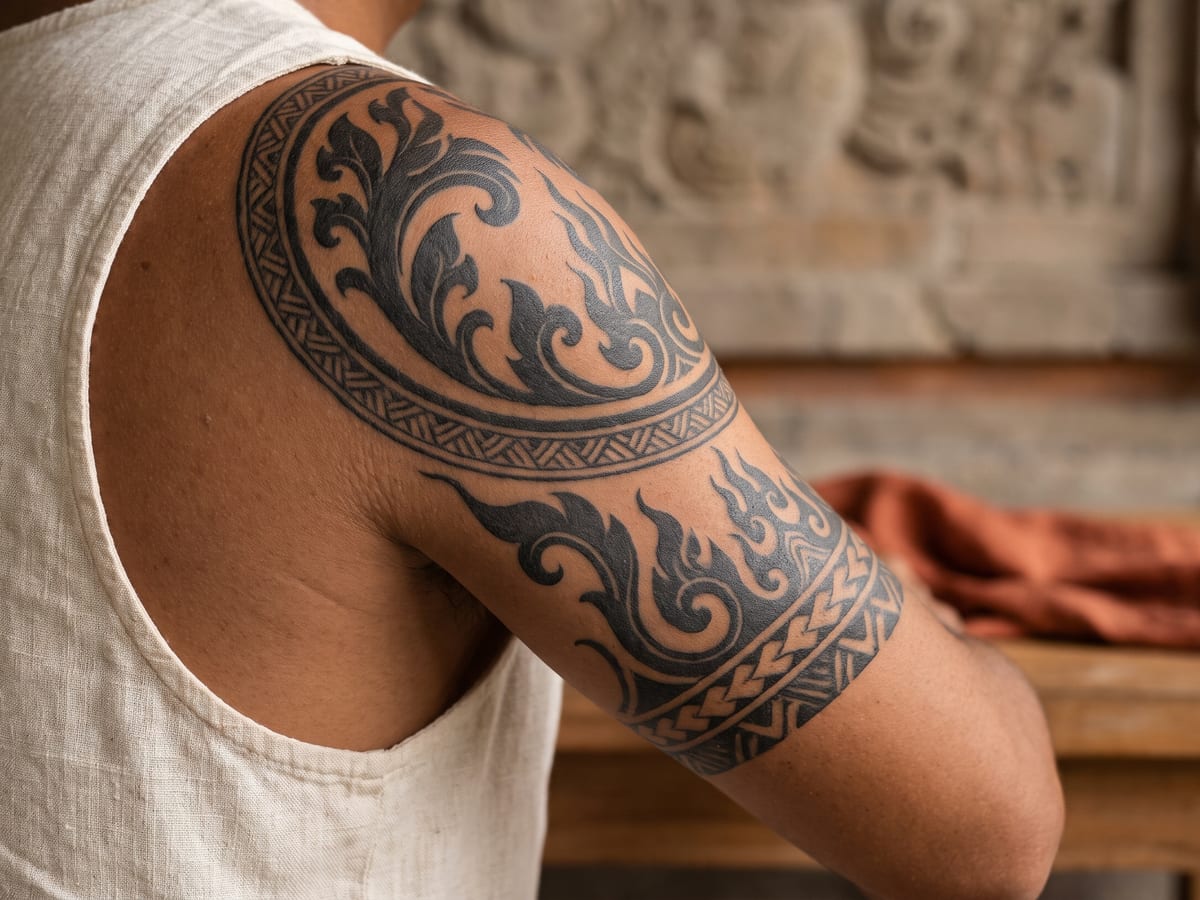
A lot of people want a tattoo in Bali that feels connected to Bali. That makes sense: the island's carving, temple art and offerings are everywhere you look. But many of those images come from Balinese Hinduism, a living religion practised every day by the people around you. This guide explains the most popular Balinese and Indonesian designs, what they mean, and how to wear them with respect.
What makes a tattoo design Balinese?
Most Balinese-inspired tattoos borrow from the island's visual culture: the curling leaf and flame shapes in stone carving, the figures of temple guardians and dance masks, and the flowers used in daily offerings. Some designs are decorative and carry little religious weight. Others show gods, sacred beings or holy symbols.
That difference matters. A frangipani is a flower anyone can wear. An image of a goddess or the sacred Ongkara symbol is closer to wearing a religious icon. Neither is off limits, but the second deserves more thought about why you want it and where it goes.
Frangipani (jepun) and lotus tattoos
The frangipani, called jepun in Bali, is the flower you see tucked into offerings, worn behind the ear and planted in temple courtyards. As a tattoo, it is the gentlest way to carry a memory of the island. It suits fine line and colour work and fits almost anywhere on the body.
Frangipani come in white, yellow, pink and red, so you can match the colour to the trees you remember, or keep it in black line work. A single bloom behind the ear or on the ankle is a classic small piece; a scattered trail of flowers works on the shoulder or ribs.
The lotus (padma) has deeper roots. In Hindu and Buddhist traditions it stands for purity, because it grows clean and open out of muddy water. In Balinese temples, the padmasana is a lotus throne shrine dedicated to the supreme god. A lotus tattoo is widely worn and broadly understood, but it is a spiritual symbol, not just a pretty flower.
Barong, Garuda and naga: guardian figures
Barong
The Barong is a lion-like protective figure, the force of good in Balinese belief. In the Barong dance it faces Rangda, a figure of dark forces, and the dance usually ends without a final winner. A Barong tattoo usually stands for protection and the balance between good and evil. Barong masks used in ceremonies are sacred objects, so treat the image with care.
Garuda
Garuda is the mythical bird that carries the god Vishnu, and it appears across Bali in statues and carvings. It is also Indonesia's national emblem. As a tattoo it is often linked to loyalty, strength and freedom. If you want one, ask the artist for their own drawing of the bird rather than a copy of the official national emblem with its shield, which is a state symbol.
Naga
Naga are serpent or dragon beings that appear in Balinese stories and art. Carved naga often line temple stairways and gates as guardians, and they are linked with water and the earth. A naga works well as a long, flowing piece along the arm, leg or back. For more serpent and dragon ideas, see our dragon tattoo guide.
Ongkara (Om) and Saraswati: sacred symbols
The Ongkara is the sacred syllable Om written in Balinese script. It is one of the holiest symbols in Balinese Hinduism and appears in prayers, on temple decorations and in offerings. To a Balinese Hindu, it is not a design motif; it is a holy sign.
Saraswati is the goddess of knowledge, learning and the arts. She is often shown with a swan, holding a stringed instrument and palm-leaf manuscripts. Bali honours her on Saraswati Day, when books and texts are blessed. A Saraswati tattoo can mean a love of learning, music or writing, but it is still an image of a goddess.
Penjor, waves and Mount Agung
The penjor is the tall, curved bamboo pole decorated with woven palm leaf that lines Bali's streets during the Galungan festival. It is often explained as a symbol of the mountain and of gratitude for the earth's abundance. As a tattoo, its long arc suits the forearm, ribs or spine.
Mount Agung is Bali's highest volcano and its holiest mountain, home to the Besakih temple complex on its slopes. In Balinese tradition, the direction towards the mountain is the sacred direction and the direction towards the sea is its counterpart. A tattoo pairing the mountain with waves can reflect that balance, or simply mark the island's landscape. Our ocean tattoo ideas cover wave designs in more depth.
Mentawai and Dayak tattoos: heritage from other islands
Some of Indonesia's best-known tattoo traditions come from other islands. The Mentawai people of the Mentawai Islands, off the west coast of Sumatra, have a tattoo tradition tied to identity and their relationship with nature, traditionally applied by hand tapping a needle with a small stick. Dayak communities in Kalimantan (Indonesian Borneo) have their own tattoo traditions, with bold motifs that traditionally marked life passages, journeys and status.
Both belong to living communities, and some designs have specific meanings or are earned. If you are drawn to them, ask for a design inspired by the style rather than a copy of a particular mark. Our tribal tattoo style guide explains the wider background, and hand-poke studios in Bali work with a similar hand-applied technique. Of Peachy's 703 Bali studios, 18 list hand poke at the time of writing (November 2026), and 78 list tribal.
How to wear a Balinese tattoo respectfully
- Learn what your design means before you commit, and be honest with yourself about why you want it.
- Keep gods, sacred figures and holy symbols above the waist, never on the feet or ankles.
- Ask your artist for an original drawing rather than copying temple carvings or official emblems exactly.
- When you visit temples, wear a sarong and sash as required, and do not pose a sacred tattoo for photos at shrines or during ceremonies.
- Keep a fresh tattoo covered at temples anyway: you should not be in dusty, crowded places with an open wound.
- If you are unsure about a design or placement, ask your artist before the stencil goes on.
Common questions
Is it disrespectful to get a Balinese tattoo as a tourist?
Not in itself. Flowers, waves, mountains and decorative motifs are widely worn. Sacred figures and symbols ask for more care: understand them, place them above the waist and wear them respectfully.
Where is the best placement for a sacred symbol?
The upper arm, shoulder, upper back and chest are common choices. Check the tattoo pain chart if you are weighing up spots.
Can I see how it looks before I commit?
Yes. Use Peachy's 3D try-on to place a design on a body model and check size and placement before you book.
Can I get my name in Balinese script?
Yes, Balinese script (aksara Bali) is a popular choice for names and short words. Spelling is easy to get wrong when it is copied from an online converter, so ask someone who reads the script well to check the design before the stencil goes on. Our lettering studios in Bali page lists studios that work with text.
For ideas, browse Bali tattoo inspiration, then look at studios that list tribal and Balinese styles. Send one free request with your reference, and the studio will confirm the design, price and deposit with you directly.
Keep reading
- Design Ideas
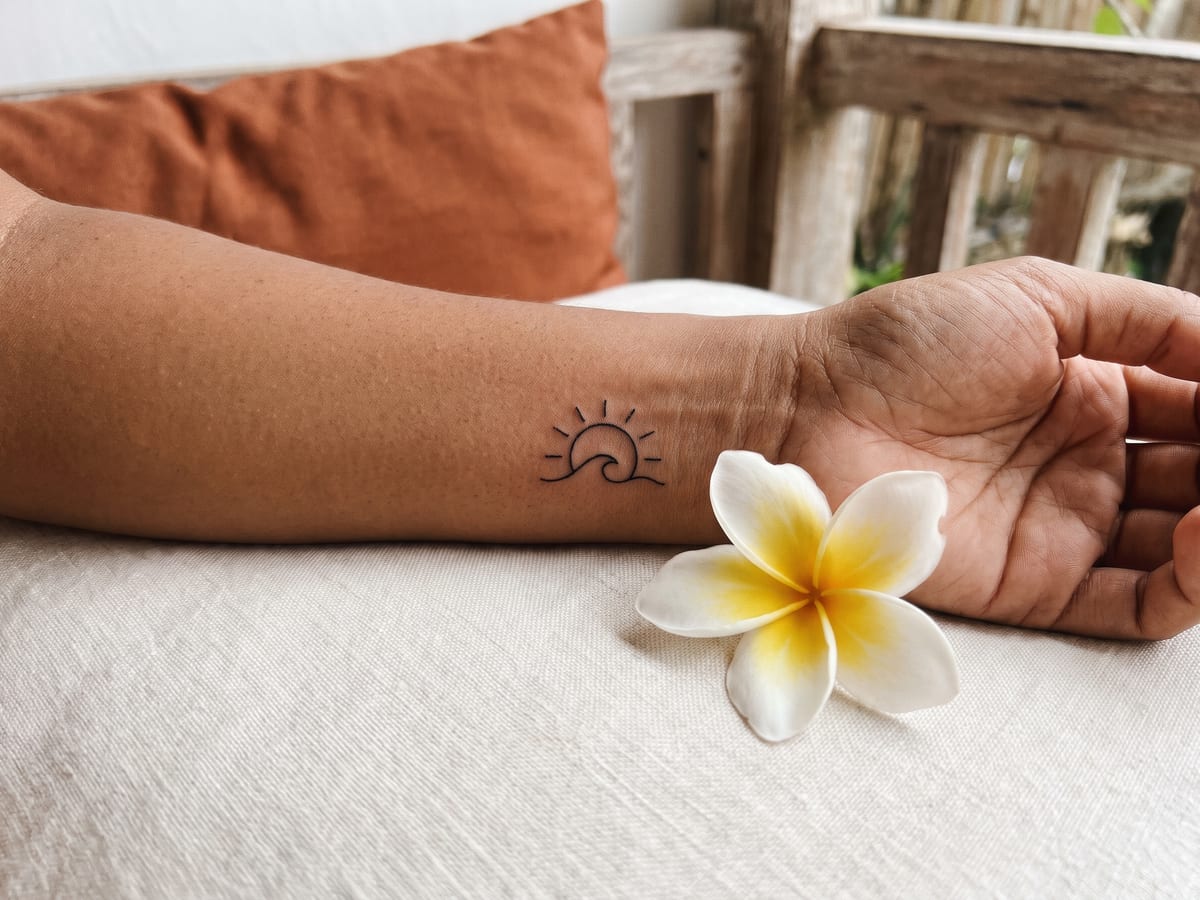
Matching Tattoos in Bali: A Guide for Friends and Couples
Planning matching tattoos in Bali with friends, a partner or a hen party? Designs that work small, per person minimums, group booking and sun care.
- Design Ideas

Dragon Tattoo Ideas: Meanings, Styles, and Placements
Dragon tattoo ideas by culture, style, and placement. Meanings behind Japanese, Chinese, and Western dragons, plus what works on a sleeve, back, or ribcage.
- Design Ideas
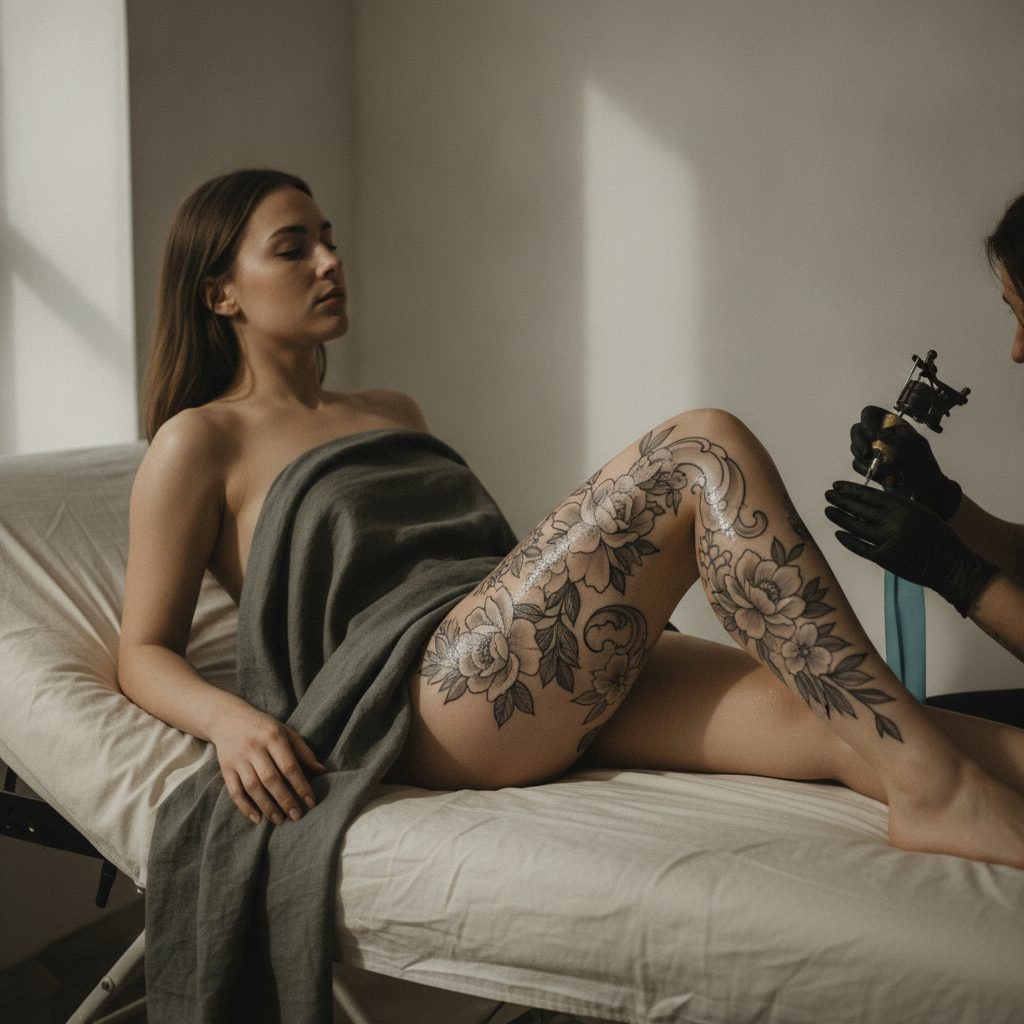
Thigh Tattoo Ideas: Placement, Pain, and Design Angles
Thigh tattoos give you canvas size without exposure. Here is how placement, pain, and design scale change what you should actually get.