cost guides
Portrait Tattoo Cost: What to Pay for a Realistic Face
Portrait tattoos run $200 to $500 per hour with most pieces landing between $800 and $3,500. Here is what actually drives the number.
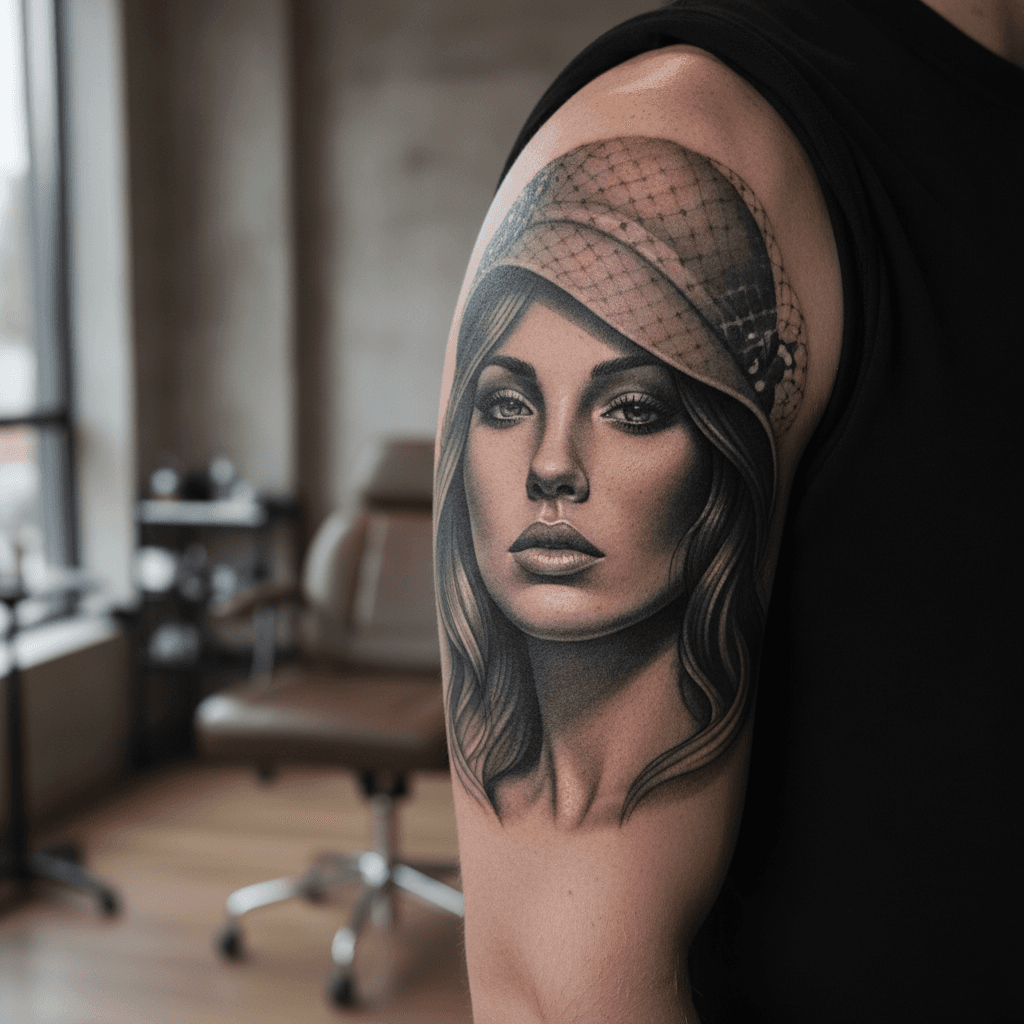
Portrait tattoos are the most technically demanding piece a realism artist takes on, and the price reflects it. A palm-sized memorial portrait typically starts around $800 and a detailed upper-arm portrait routinely lands between $2,000 and $3,500. The wider range comes from three variables: the artist's tier, whether the piece is black-and-grey or color, and how forgiving the reference photo actually is.
What a portrait tattoo actually costs
Most portrait specialists charge by the hour rather than a flat rate, because they cannot predict how a face will pull ink until the session is underway. Common bands in the United States in 2026:
- Emerging realism artist (2 to 5 years portrait work): $150 to $220 per hour
- Mid-tier specialist with a booked-out calendar: $220 to $350 per hour
- Award-winning or convention-circuit portrait artist: $350 to $600+ per hour
A single-session palm-sized portrait usually takes 4 to 6 hours. A forearm-sized piece is 8 to 12 hours across one or two sessions. Full upper-arm or chest portraits run 15 to 25 hours split across three to five sessions. Multiply the hourly rate by the session length and you get the ballpark. Portrait work rarely comes in under budget because shading passes almost always take longer than the artist estimated at the consultation.
Deposits sit at $200 to $500 for portrait work, which is higher than the industry norm because the reference vetting and stencil prep are labor-intensive before the machine ever comes out. That deposit is credited to the final invoice, not added on top. For a fuller breakdown of how deposits work across the industry, see the tattoo deposit guide.
Why portraits cost more than other realism
A portrait is the one tattoo where the client immediately knows if it looks wrong. A landscape or an animal has visual slack. A human face does not. Your brain recognizes facial proportions instantly, so a millimeter of drift on the eye spacing reads as "that's not her" the second the piece heals. Artists price that risk into their rate.
The technical demands are also higher. Portraits require smooth gradient shading with no visible dot transitions, which means the artist works in slow saturating passes with round shaders or magnums at reduced voltage. That is roughly twice the machine time per square inch compared to bold traditional work. Color portraits add another 30 to 50 percent on top because skin tones require multiple mixed inks layered in specific order.
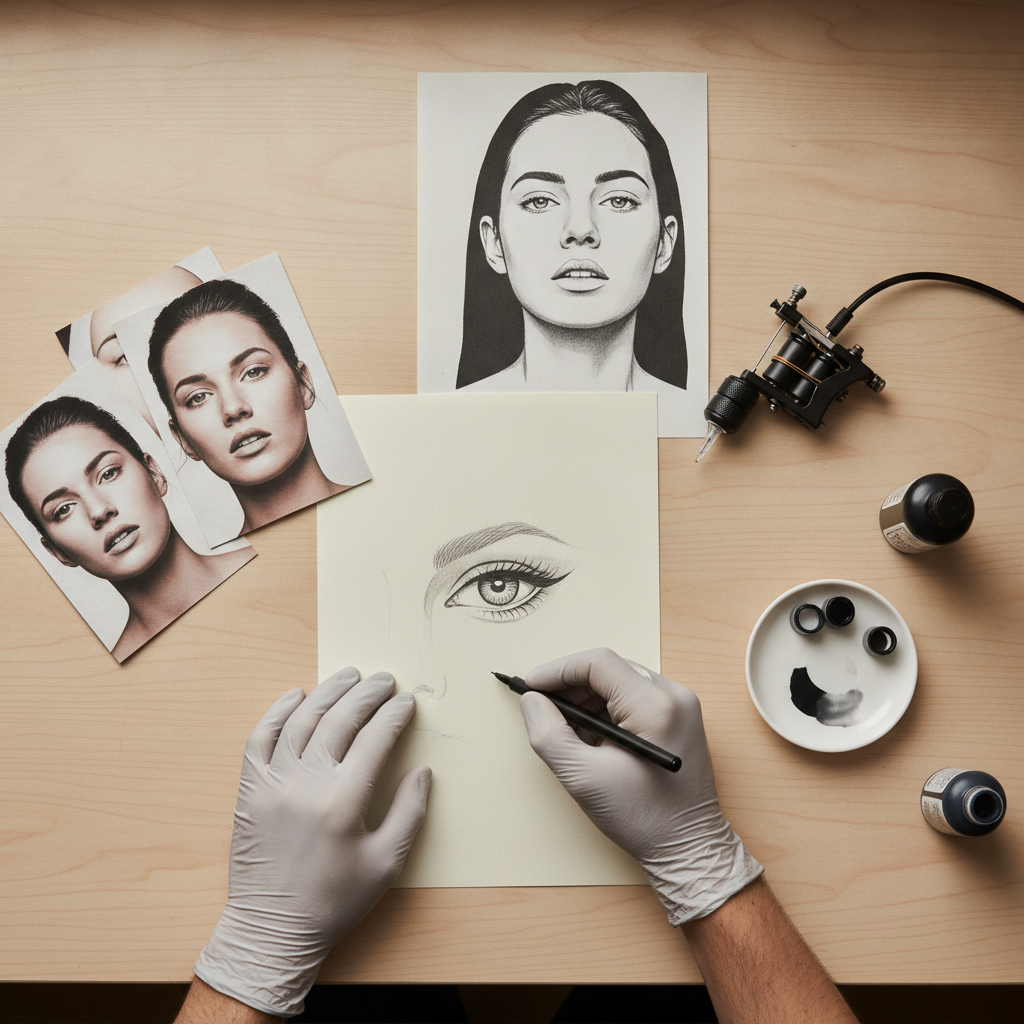
Reference photo quality changes the price too. A sharp, evenly lit, high-resolution photograph is straightforward to translate. A blurry phone snapshot from 2004 requires the artist to reconstruct detail from imagination, which most portrait specialists will either refuse or charge a redraw fee to work with. Bring the sharpest photo you own and expect the artist to ask for two or three alternates so they can cross-reference features.
Size and placement price ranges
Portrait pricing scales with size but not linearly, because larger portraits allow for finer gradient work and take proportionally longer per square inch.
- Palm-sized (3 to 4 inches), single subject, black-and-grey: $800 to $1,400
- Forearm portrait (5 to 7 inches), single subject, black-and-grey: $1,400 to $2,400
- Upper arm or shoulder cap (7 to 10 inches), black-and-grey: $2,000 to $3,500
- Full color portrait, any size above forearm: add 30 to 50 percent to the black-and-grey range
- Multi-subject portrait (parent and child, couple): add 60 to 100 percent
- Chest or back centerpiece portrait with background elements: $3,500 to $7,000+
Placement matters for pricing in a second way. Ribcage, sternum, and inner bicep portraits take longer because the skin stretches unevenly, which forces slower shading passes. Expect a 15 to 20 percent surcharge on those placements versus a forearm or outer bicep. For a broader look at how placement changes price across styles, the realism tattoo cost breakdown covers non-portrait realism in more depth.
Black-and-grey vs color portraits
Black-and-grey portraits are the safer choice financially and visually. They age better, they cost less, and they hide small deviations from the reference because the eye reads the tonal composition before the exact feature match. Most portrait specialists recommend black-and-grey for first portraits and reserve color for clients who already have realism work and know how their skin holds pigment.
Color portraits cost more for three reasons. The ink cost is higher because portrait skin tones use custom mixes of five to eight pigments. The session count is higher because color layers need full healing between passes to avoid muddying. The touch-up rate is higher because reds and yellows fade faster than black-and-grey saturation, and most color portraits need a touch-up at the two-year mark. Budget an extra $200 to $400 at the 24-month mark for a color portrait refresh.
Hidden costs most clients miss
Portrait budgets blow up in predictable places:
- Redraw fees: if you change the reference photo after the initial stencil, expect a $100 to $250 redraw charge
- Consultation fees: some portrait specialists charge $50 to $150 for the initial sit-down, credited to the first session
- Travel or guest-spot premiums: booking a touring portrait artist at a guest spot in your city often adds 20 to 30 percent to their home-shop rate
- Touch-ups after the first year: portraits often need a small saturation touch-up at 12 months, usually $100 to $300 depending on shop policy
- Tip: portrait sessions are long and physically taxing on the artist. Tipping guidance runs 15 to 25 percent of the session total. The tipping guide has full context.
Add roughly 10 to 15 percent to any portrait quote to cover these line items realistically.
How to actually save money without wrecking the result
You cannot cheap out on the artist and expect a portrait to look like the person. You can, however, make smart trade-offs.
Choose black-and-grey over color. That single decision usually saves 30 to 40 percent and produces a piece that ages better over 15 years. Go smaller. A four-inch portrait done well beats a seven-inch portrait done adequately, and it costs half as much. Bring a great reference photo. A sharp, evenly lit, high-resolution image cuts consultation time and reduces the risk of a redraw fee. Book off-season. Many portrait artists offer January and February rate discounts of 10 to 20 percent because the calendar is softer after holiday deposits.
What not to do: do not shop by lowest hourly rate. A $180-an-hour artist who takes 14 hours to finish a piece a $300-an-hour specialist finishes in 7 costs the same money and produces a weaker result. Portfolio-first pricing is the only rational approach for portrait work.
Frequently asked
How long does a portrait tattoo actually take? A palm-sized portrait is typically a single 4 to 6 hour session. Forearm portraits run 8 to 12 hours across one or two sittings. Upper-arm and chest portraits are 15 to 25 hours split across three to five sessions with two to four weeks of healing between each.
Can I get a portrait as my first tattoo? Physically yes, but most experienced portrait artists will steer you toward a smaller test piece first. Portrait sessions are long and the pain management matters, so knowing how your body handles four hours of shading before you commit to a 15-hour piece is worth doing.
Do portrait tattoos age well? Black-and-grey portraits age extremely well when done by a specialist, often staying sharp for 15 to 20 years before needing meaningful touch-up. Color portraits soften faster and typically need a saturation refresh every 3 to 5 years. Sunscreen use is the single biggest factor in longevity, more than ink brand or artist skill.
Why did my quote come in higher than the ranges here? The most common reason is a booked-out artist quoting at their post-waitlist rate, which can be 20 to 40 percent above their published hourly. Convention-circuit artists also quote their travel rates on home-shop bookings. Ask specifically what hourly rate you are being quoted and confirm whether the estimate includes stencil prep and touch-ups.
Should I tip on a multi-session portrait? Yes, and tip per session rather than saving it for the final one. Portrait sessions are physically demanding on the artist and tipping the standard 15 to 25 percent at each session signals you value the work and want a strong finish.
What happens if the portrait does not look like the person? A reputable specialist will offer a touch-up session at no charge if the resemblance is off, provided you flagged it within the healing window. Beyond three months, most shops treat it as a paid rework. This is why reference vetting at consultation is the most important part of the whole process.