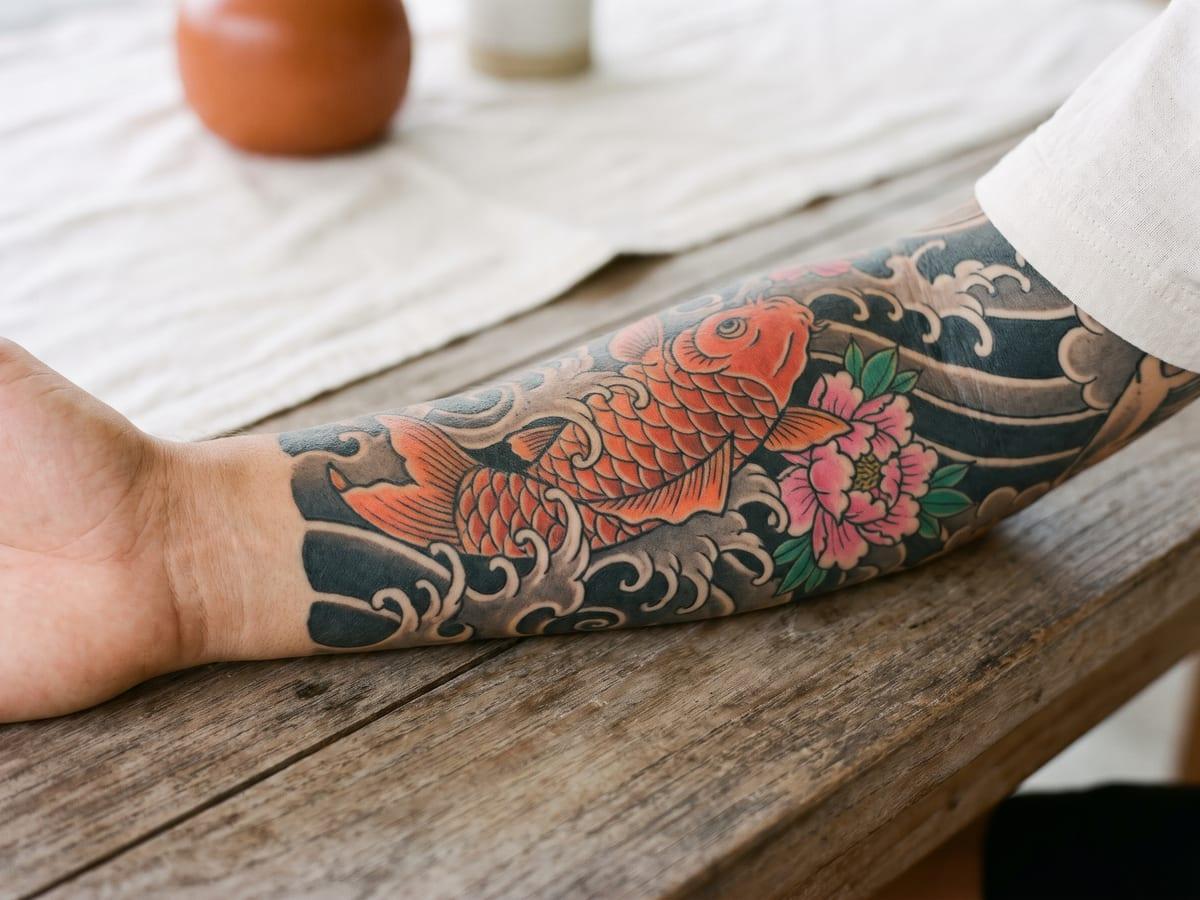
Dragons, koi, masks and waves, composed to flow with the body. See 969 real Japanese tattoos from Bali studios, the 137 studios that list the style and how to plan a sleeve around a trip.
- 4.9 average Google rating across 47,000+ reviews
- 137 studios list Japanese
- 969 real pieces from 243 studios
- Studios
- 137
- most in Seminyak
- Library photos
- 969
- from 243 studios
- Google rating
- 4.9★
- across 47,000+ reviews
- Areas
- 11
The short answer
- 01Japanese tattooing, or irezumi, sets bold motifs from folklore against a background of waves, clouds or wind that joins the whole piece.
- 02137 Bali studios list the style, with an average Google rating of 4.9; Seminyak has the most of them.
- 03Dragons, masks, samurai, koi and peonies lead our photos, and it sits most often on the upper arm, forearm and shoulder.
- 04It is made for big skin: a sleeve or a back piece is a project of several sittings, often across more than one trip.
- 05It comes from a long and once outlawed tradition. Wear it with respect, let the artist compose it, and keep it out of the sea and sun while it heals.
At a glance
- The look
- Bold outline, folklore motifs, a joined background
- Colour
- Colour or black and grey (53% black and grey in our photos)
- Most often on
- The upper arm, forearm and shoulder
- Sittings
- Several for a sleeve, many for a back
- Ages
- Very well: bold lines and solid background
- Sea, pool and sun
- Not until it has healed
From our library of studio photos
Japanese in real work.
969 tattoos from 243 Bali studios, each from the studio's own posts. Tap one to see it large and the studio that made it, or save it as a reference for your request.
See all 969 in the inspiration library →
- upper arm380
- forearm306
- shoulder226
- calf211
- back191
- thigh157
- shin154
- chest106
Body parts in our 969 photos of the style. A photo can show more than one.
- mythical 593
- mask 285
- dragon 242
- oni 186
- samurai 157
- flower 142
- waves 140
- koi 131
- animal 126
- flowers 94
53%of these photos are black and grey
Bali prices, dollars first
What Japanese costs in Bali.
Japanese work is usually big, so most studios price it by the sitting, the day or the whole project rather than by a size band. Few Bali studios publish a price list and almost none publish one for Japanese work, so the table shows typical prices by size for any style, from the studios that do, beside what Japanese studios list themselves. For a sleeve or a back piece, ask for an estimate of the number of sittings and the price of each.
Every style: too few studios publish Japanese prices yet. Each range is the middle half of the studios' prices; detailed work usually sits toward the top.
What Japanese studios publish
- Two Guns Tattoo BaliLegian
- Minimum charge
- $77IDR 1.4M
- Hendric Shinigami Tattoo BaliSeminyak
- Minimum charge
- $83IDR 1.5M
- Sunset Ink BaliCanggu & Pererenan
- Minimum charge
- $28IDR 500K
- HUSTLE INK TATTOO BALILegian
- Tiny tattoo (up to 5 cm)
- $39IDR 700K
- Tiny tattoo (up to 5 cm) · Cover-ups
- $83IDR 1.5M
- Small tattoo (5 to 10 cm)
- $83IDR 1.5M
- Medium tattoo (10 to 15 cm)
- $165IDR 3M
- Minimum charge
- $66IDR 1.2M
- Damantraz Tattoo StudioKuta & Tuban
- Minimum charge
- $39IDR 700K
Each studio's own price list, for any style unless it says so. Minimums are the least a studio charges for any tattoo.
What moves the price
- Number of sittingsA sleeve is several sittings, a back piece many. Ask for the estimate, not only the day rate.
- The backgroundWaves, clouds and wind bars fill the skin between motifs. They are part of the design, and part of the time.
- Colour or black and greyFull colour takes longer to pack than a black and grey background.
- Custom drawingA sleeve is drawn for your arm, often freehand on the skin. Some artists charge for design time.
- PlacementRibs, the inner arm, the chest and the back of the knee are slower than the outer arm or calf.
- The artistArtists who know the tradition are in demand. Their healed sleeves show it.
Dollar amounts are approximate, at Rp18,130 = $1 (GOV.UK consular rate for November 2026).
Ranked by reviews
137 studios that do Japanese.
Verified partners first, then by Google reviews. Open a studio for its photos, prices and reviews, or narrow by area.
Showing 20 of 137 studios
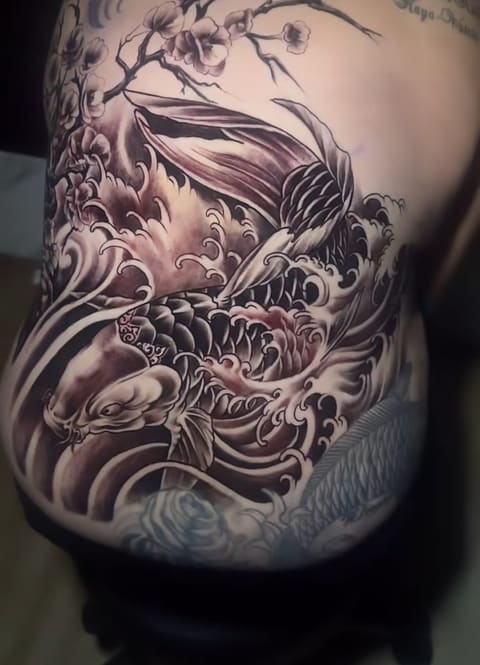
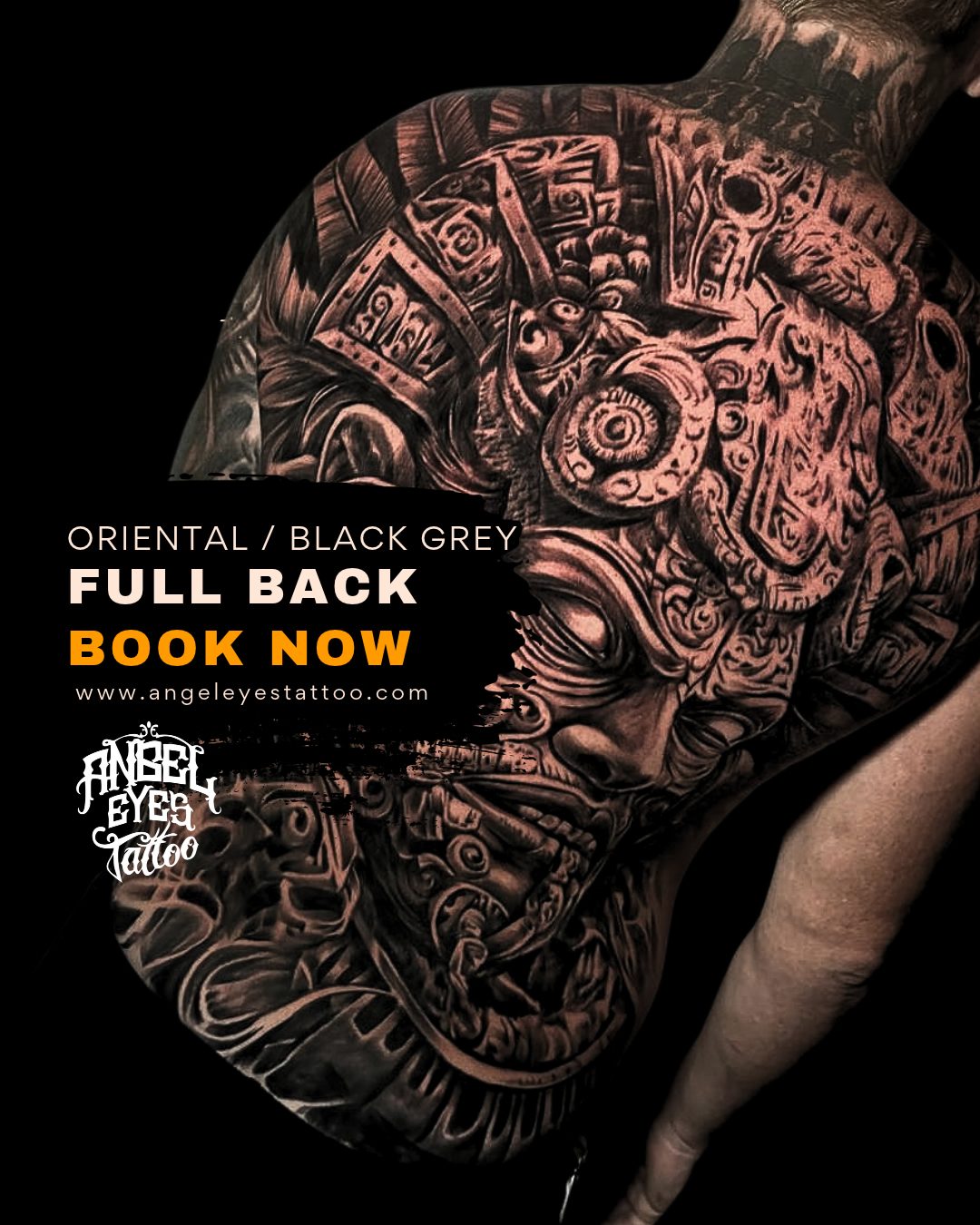

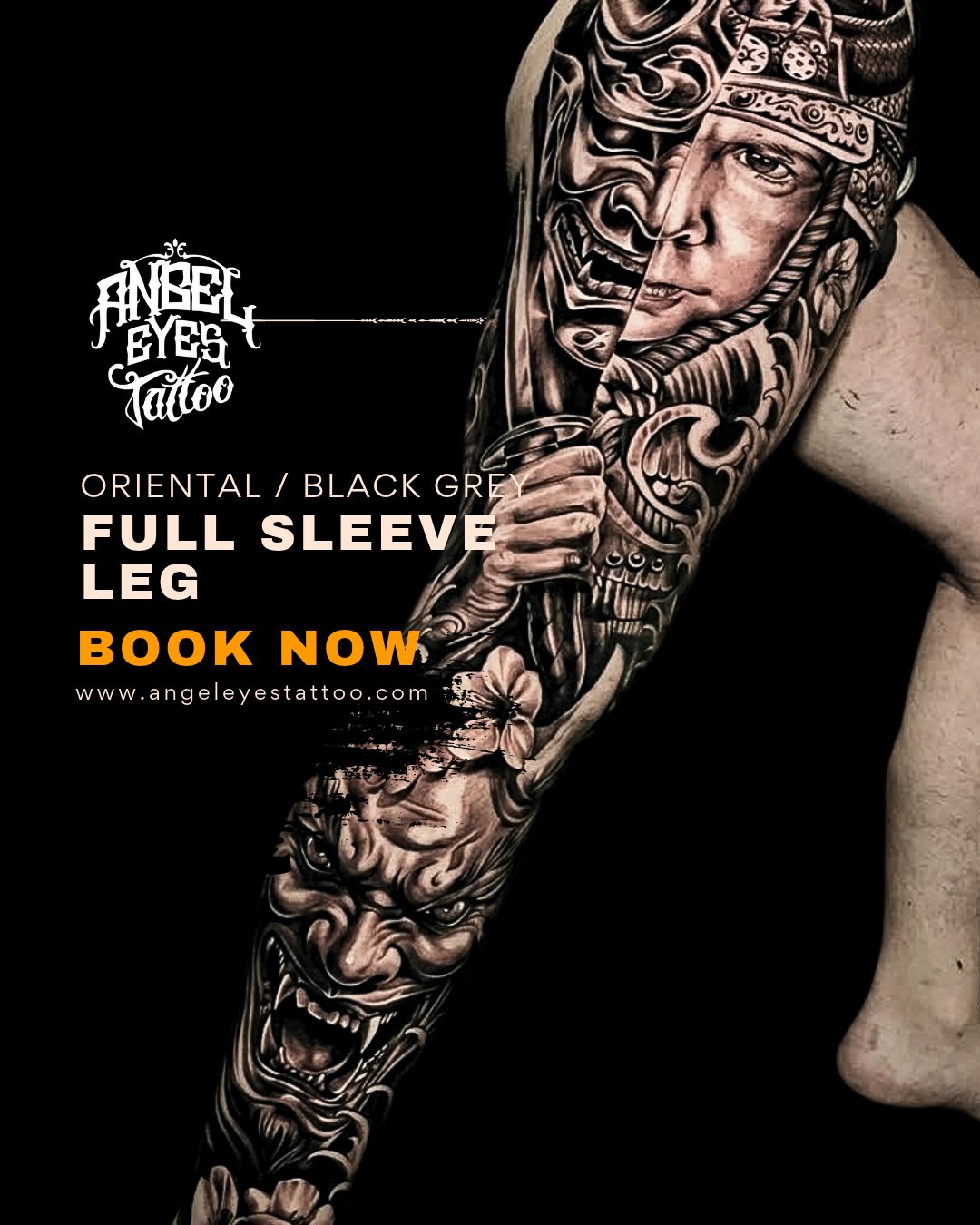
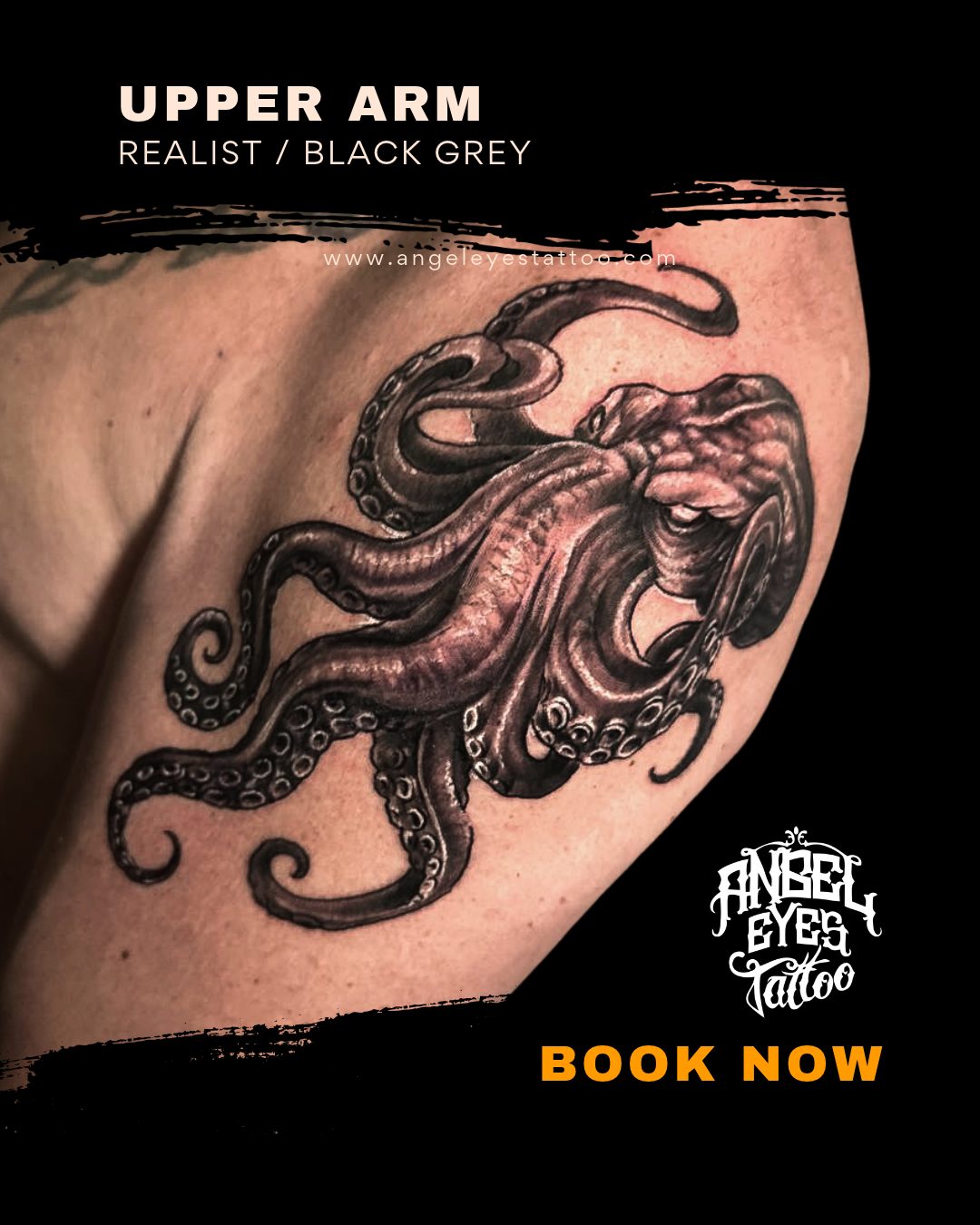
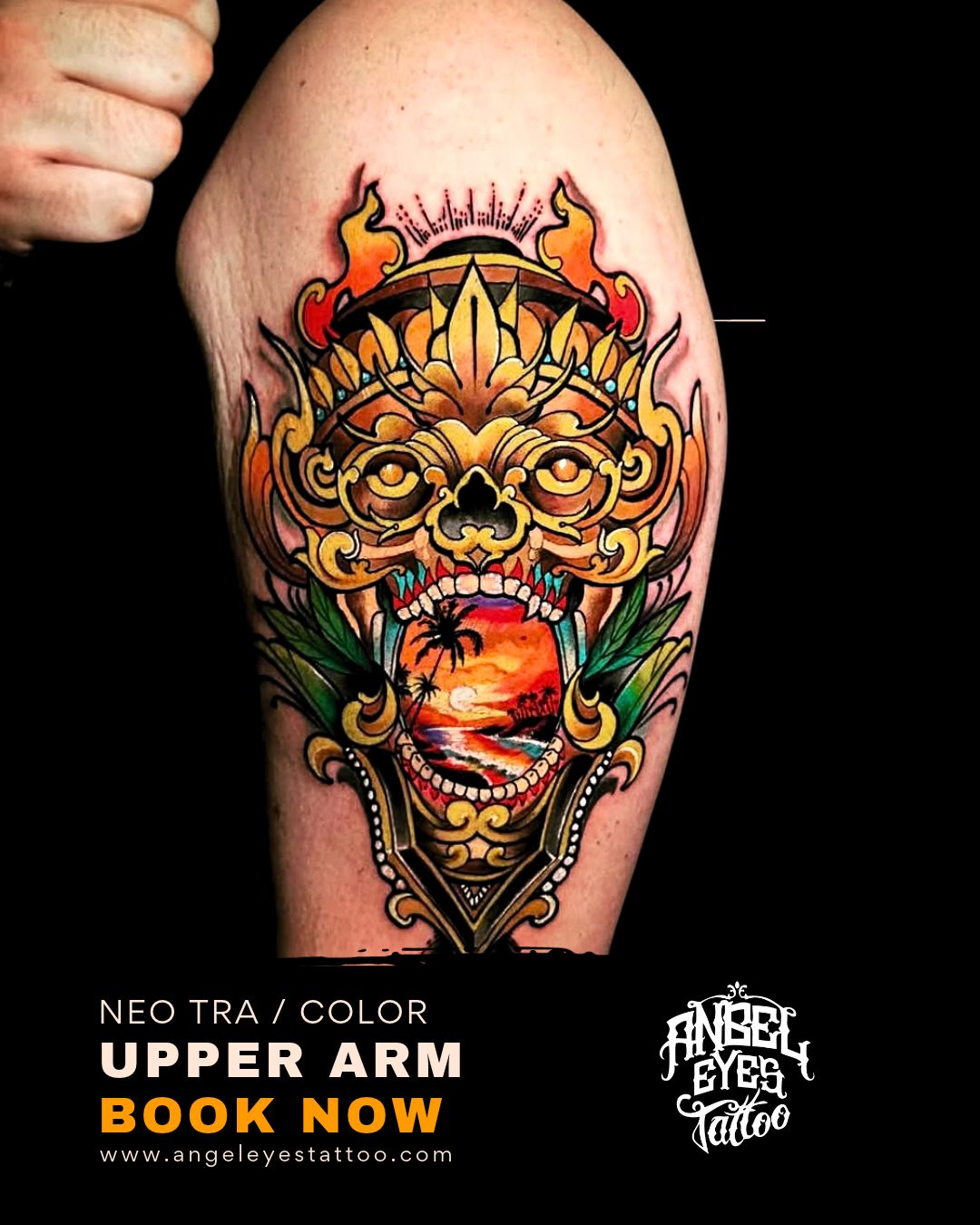
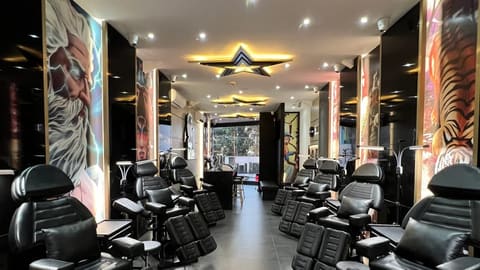
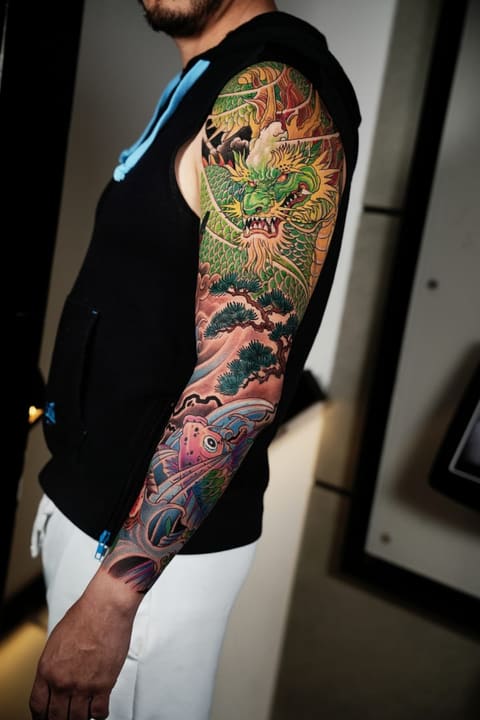
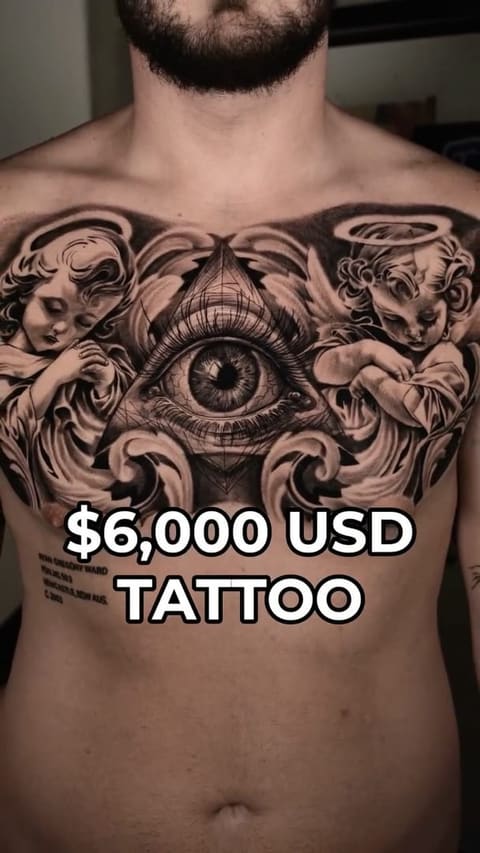
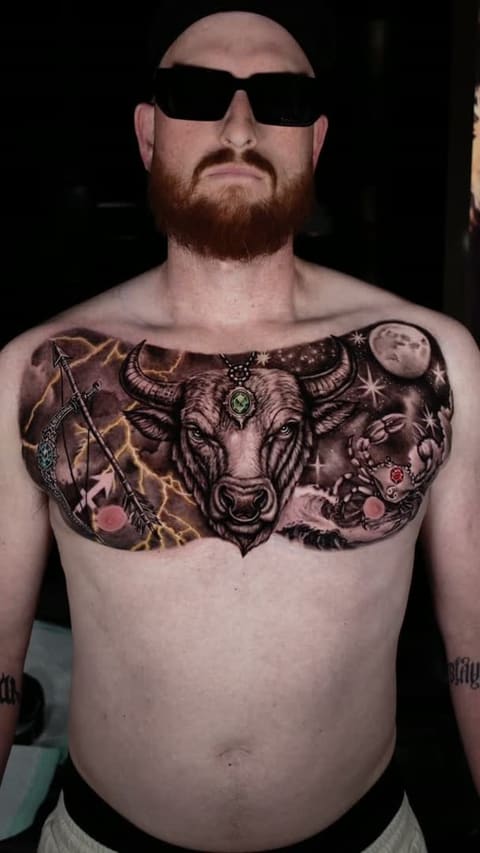
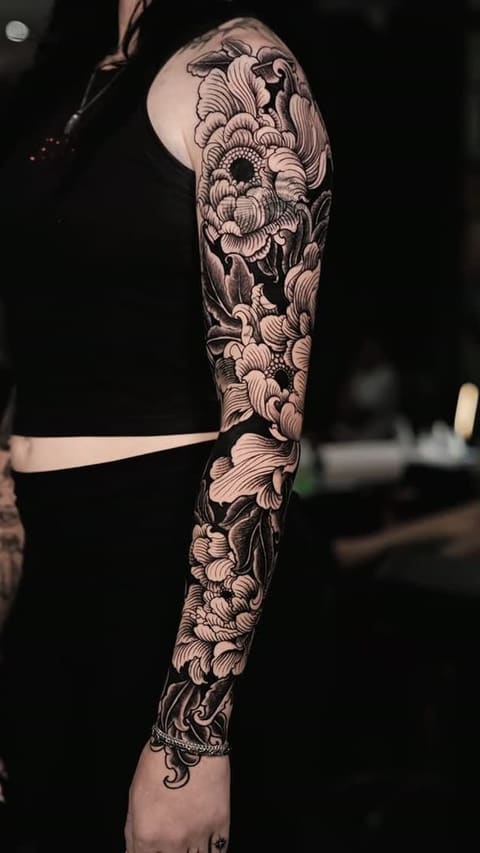
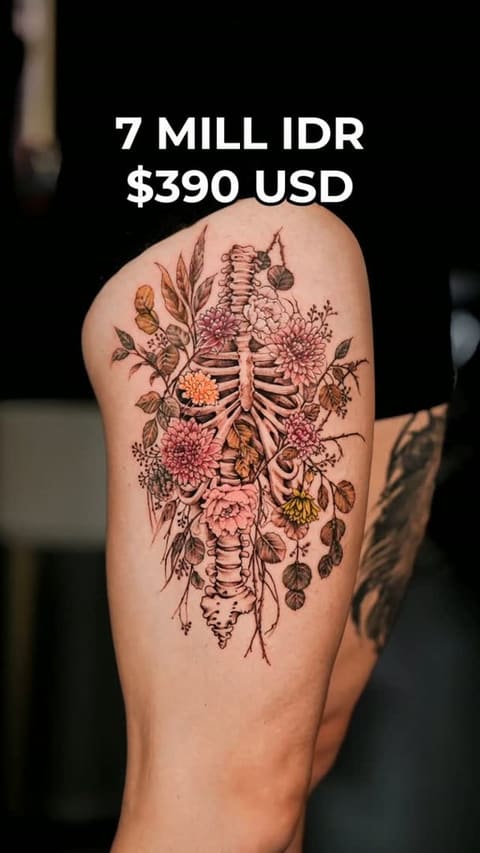
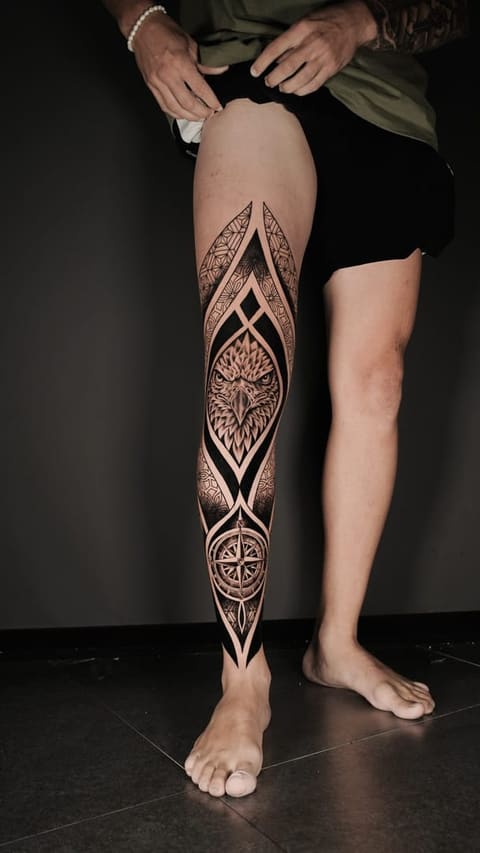
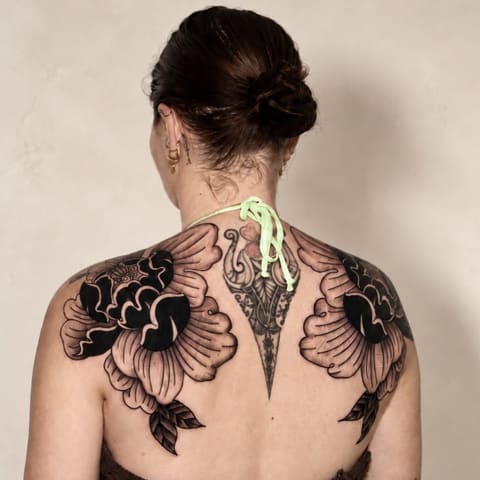
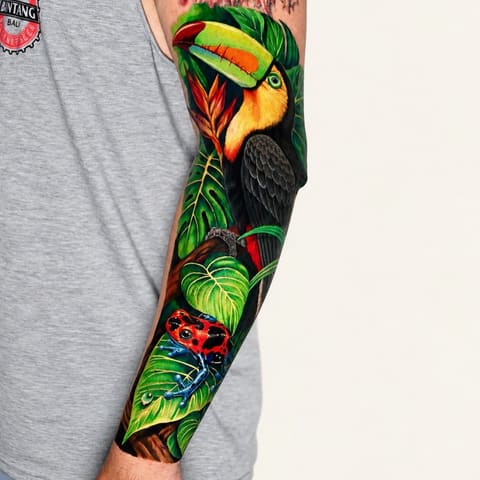
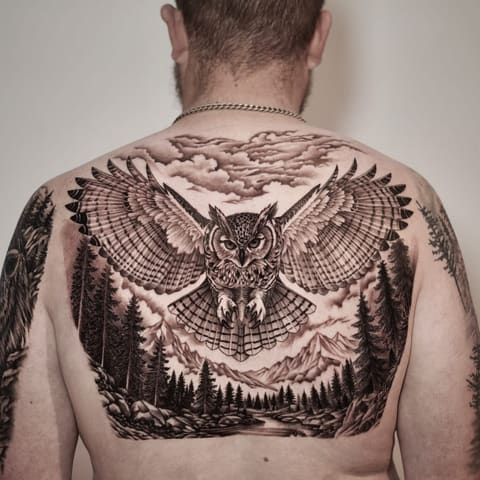
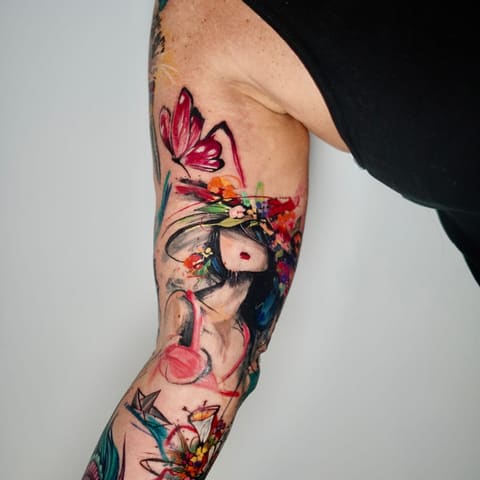
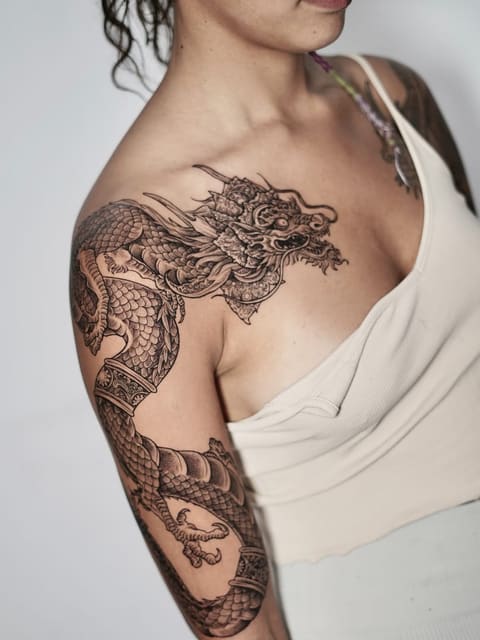
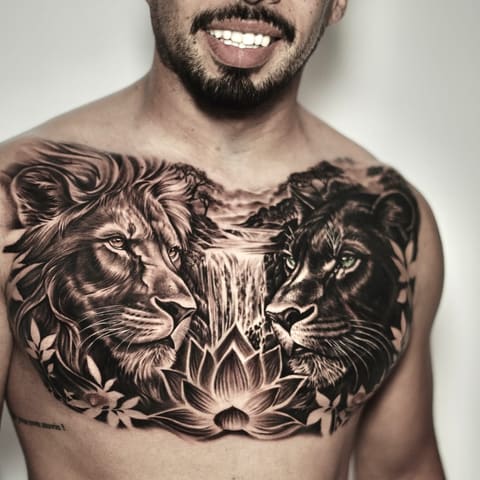
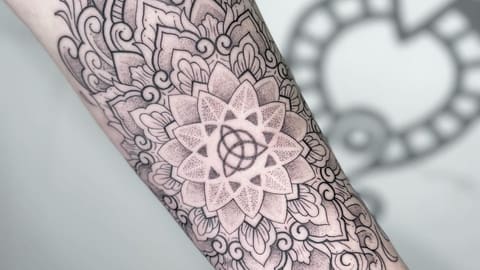
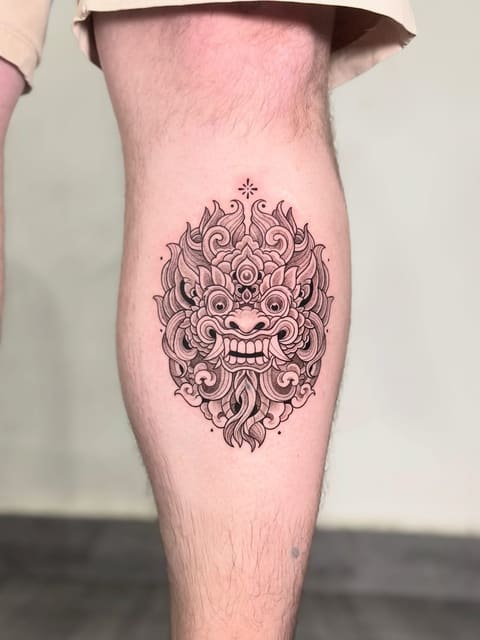
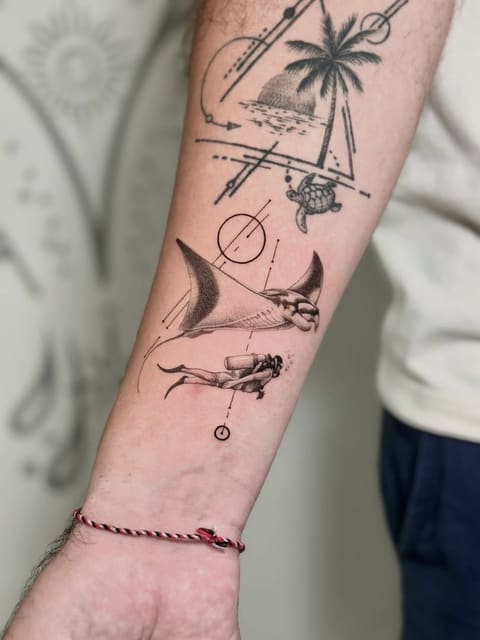
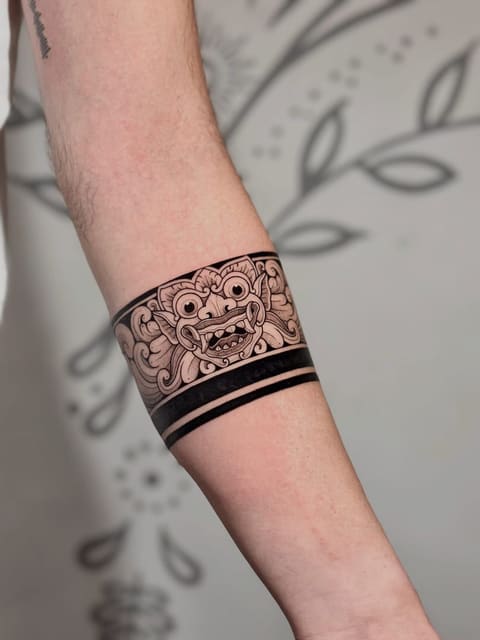
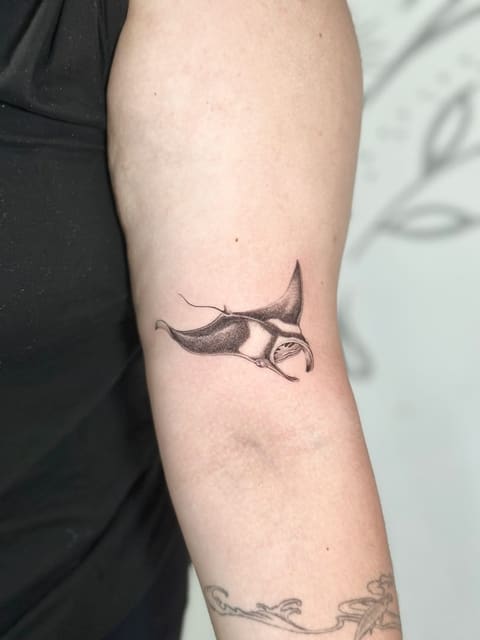
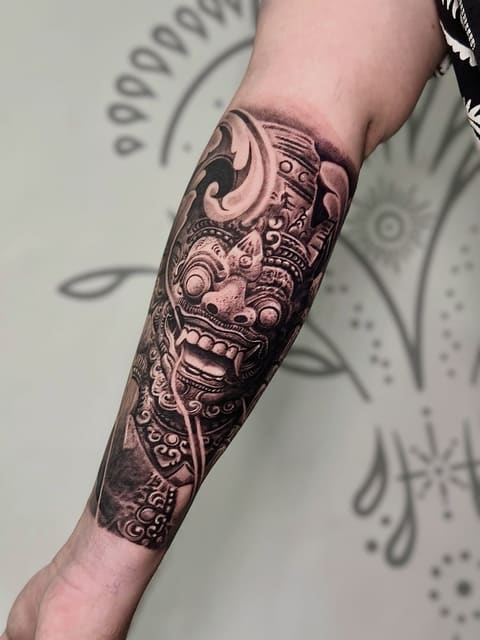
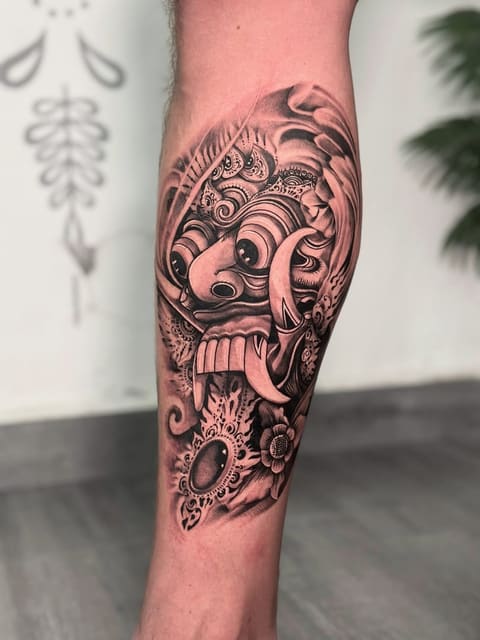
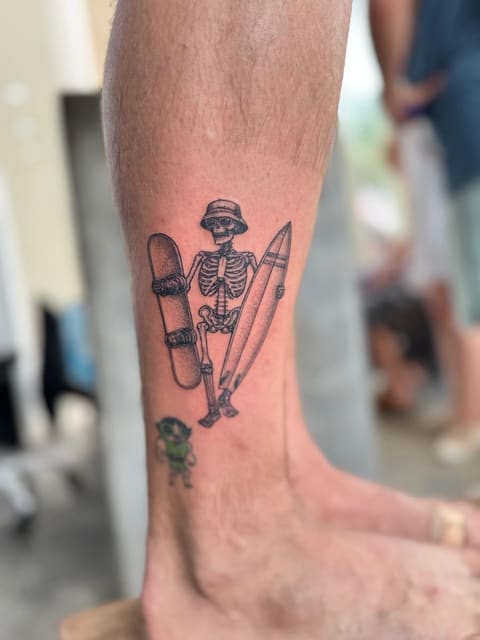
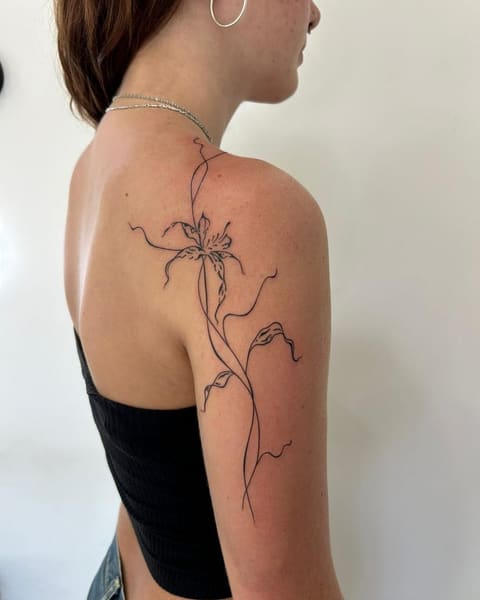
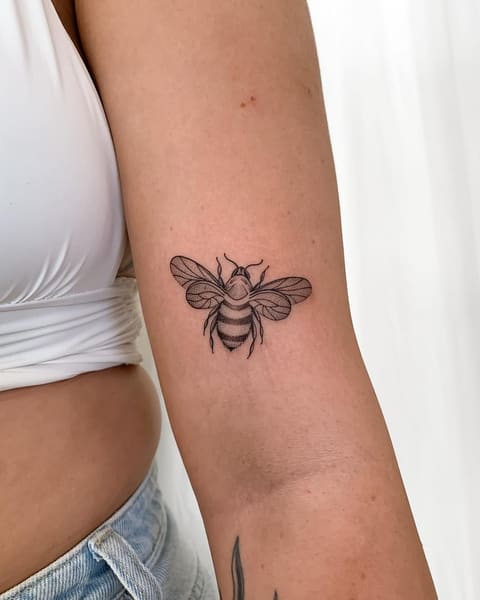
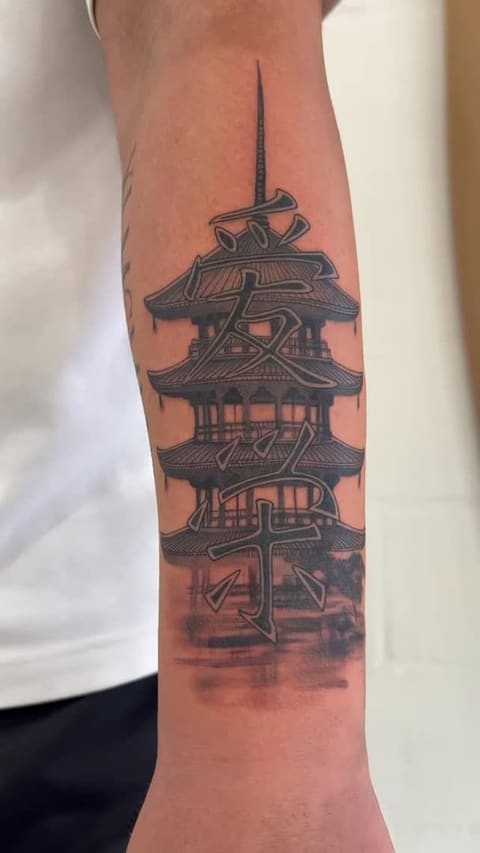
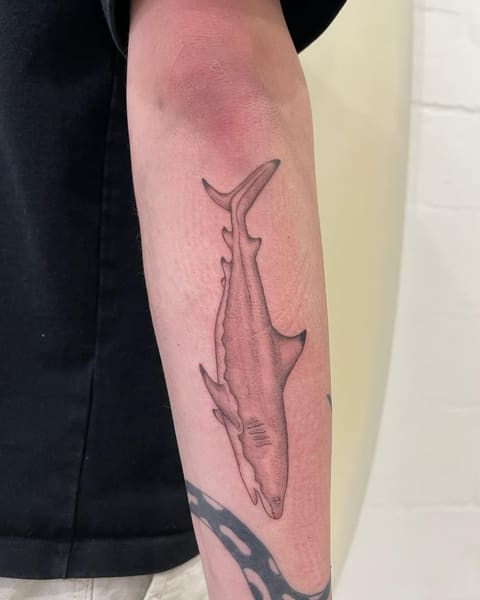
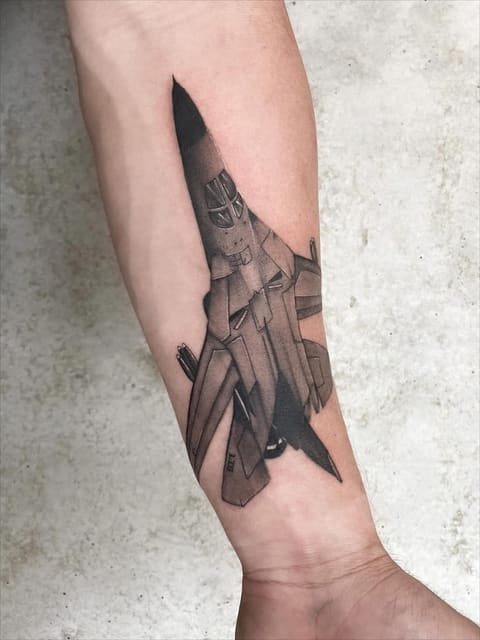
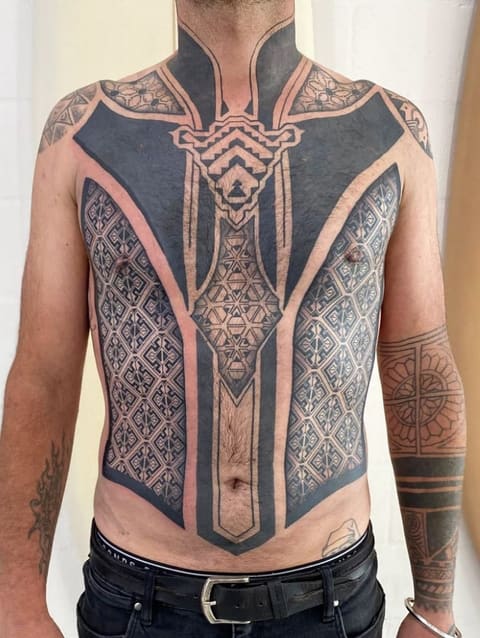

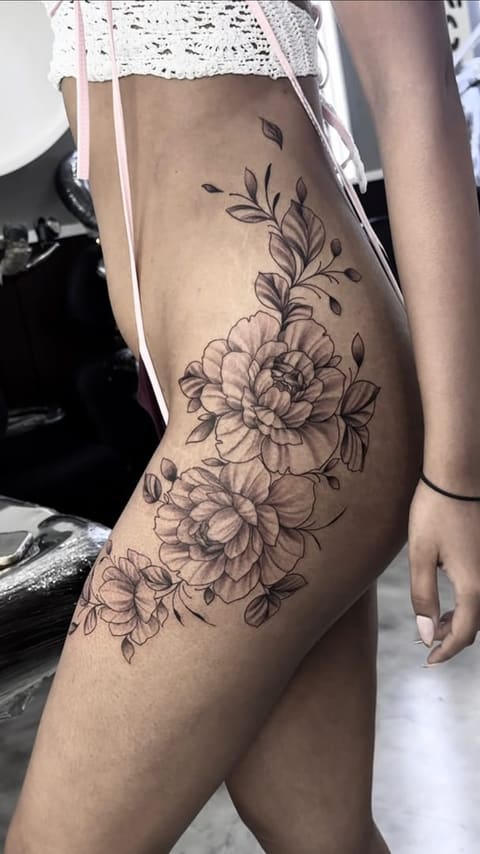
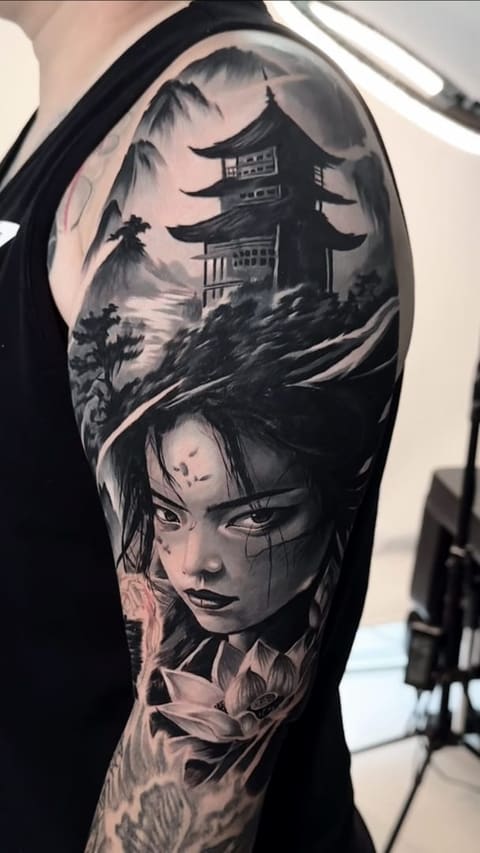
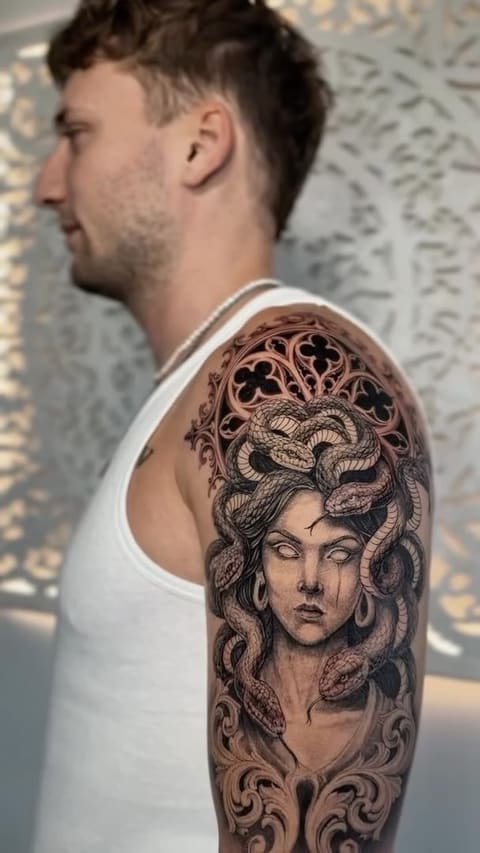
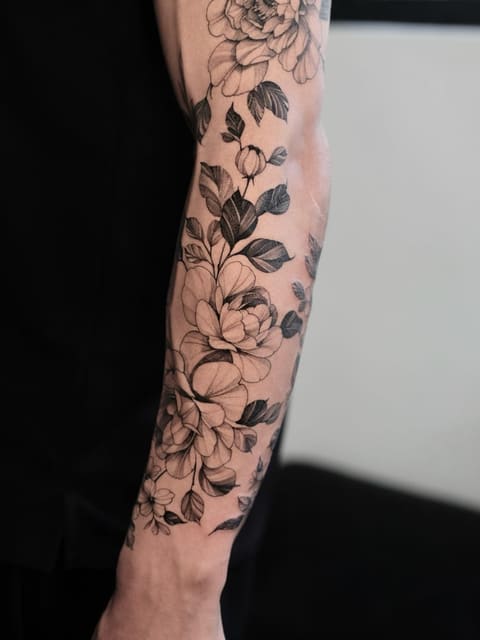
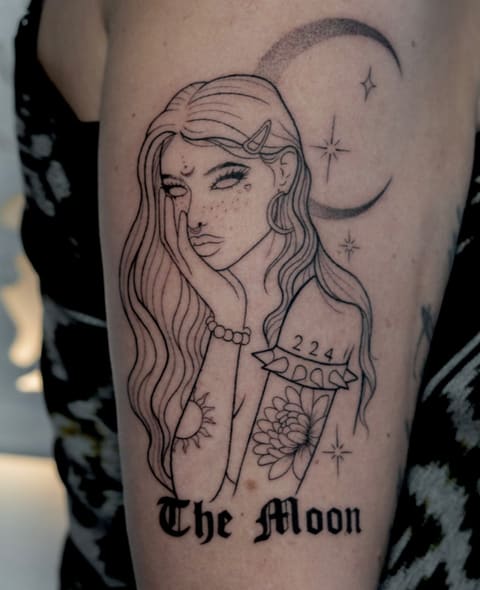
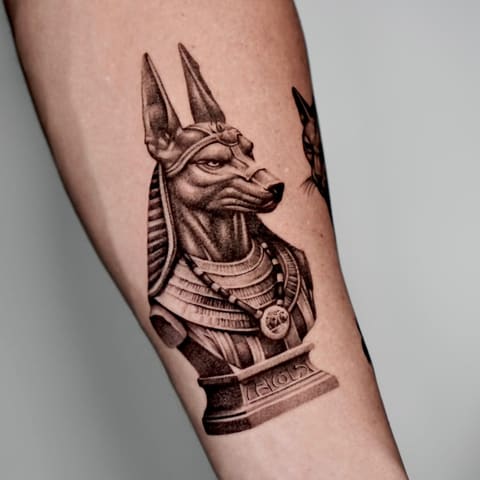
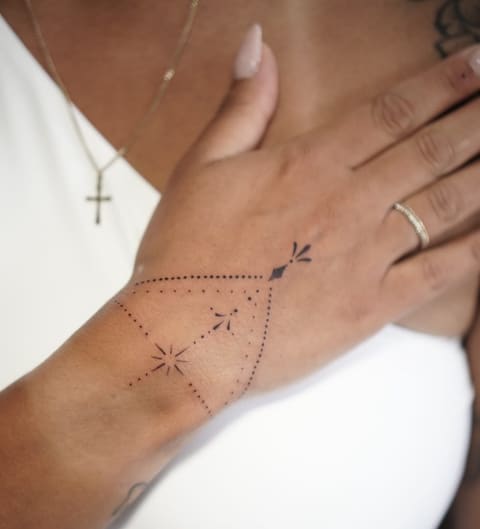
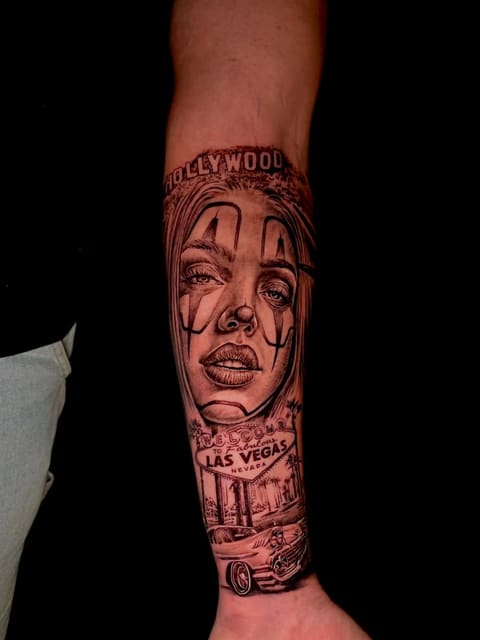
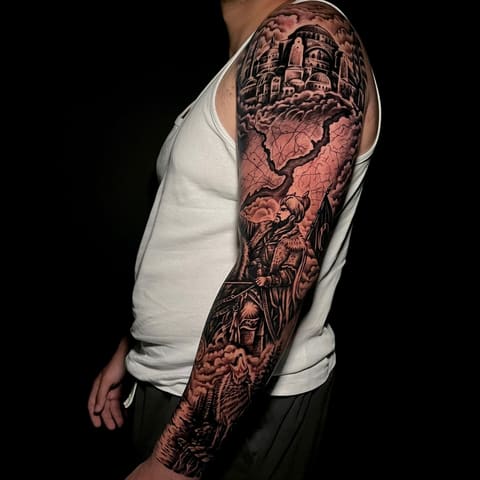
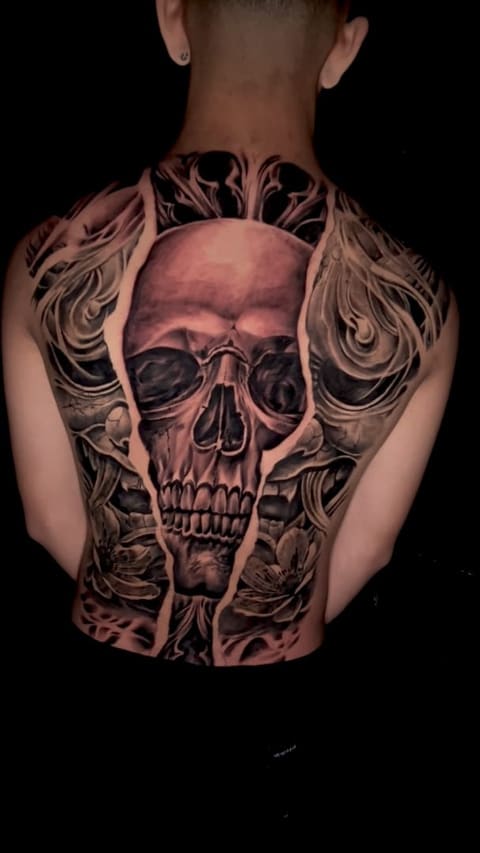
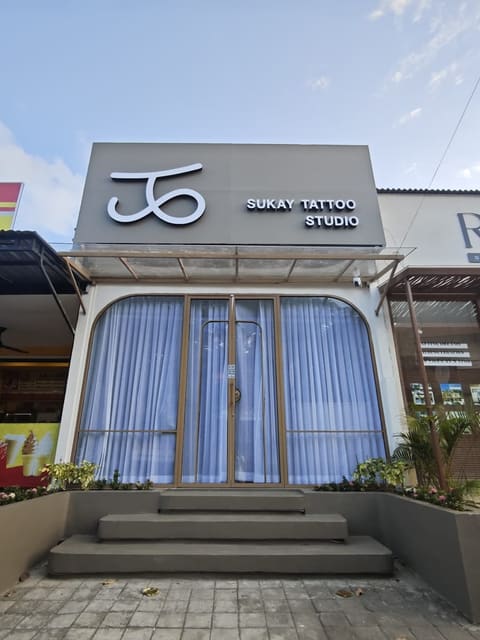
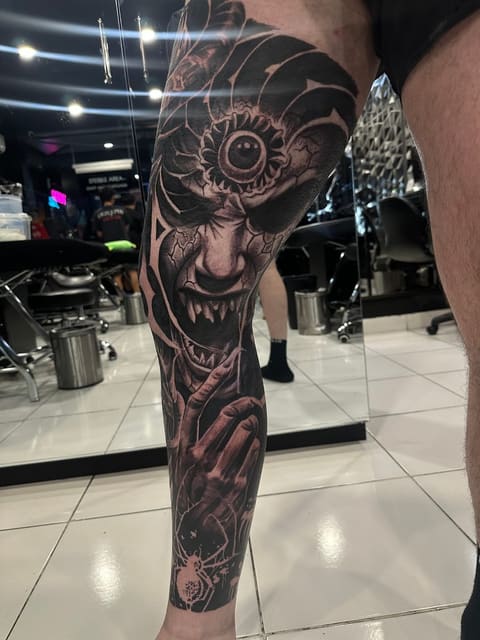
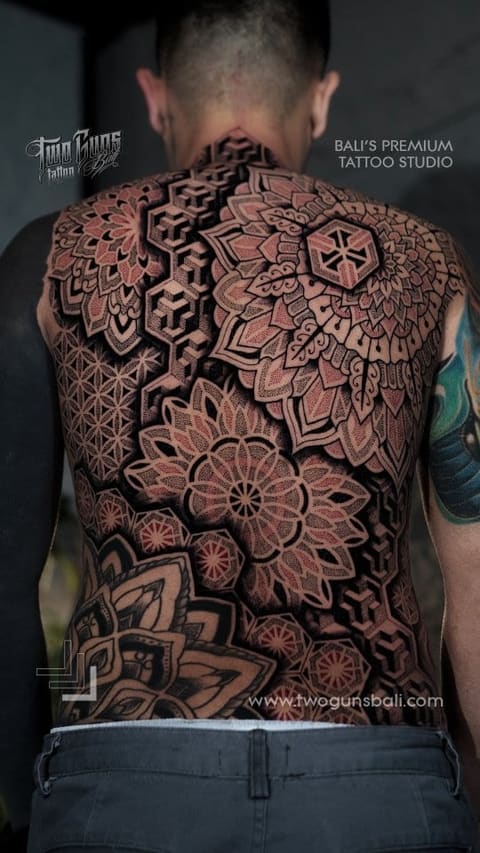
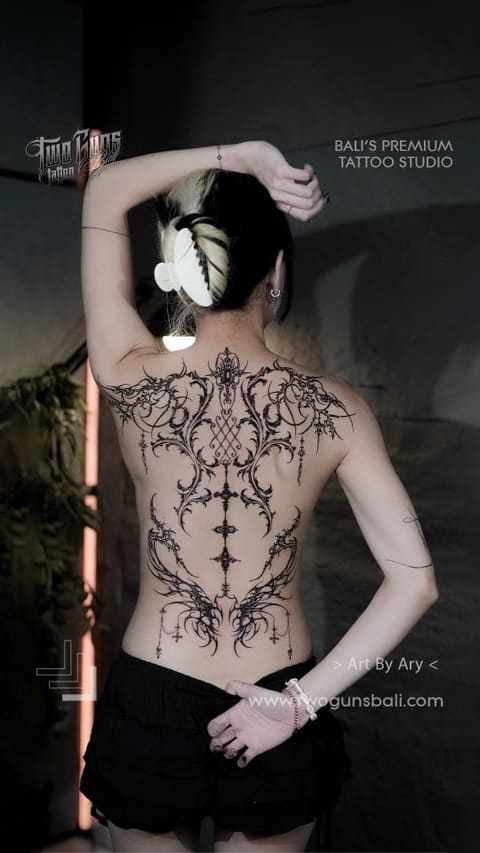
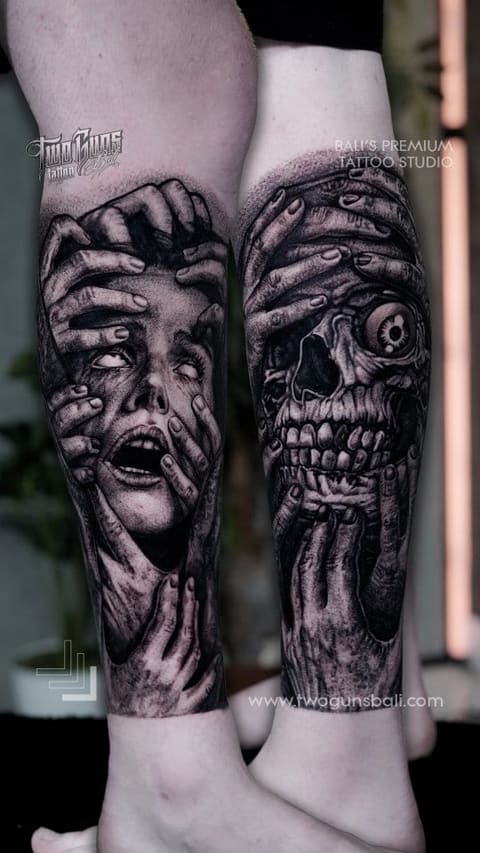
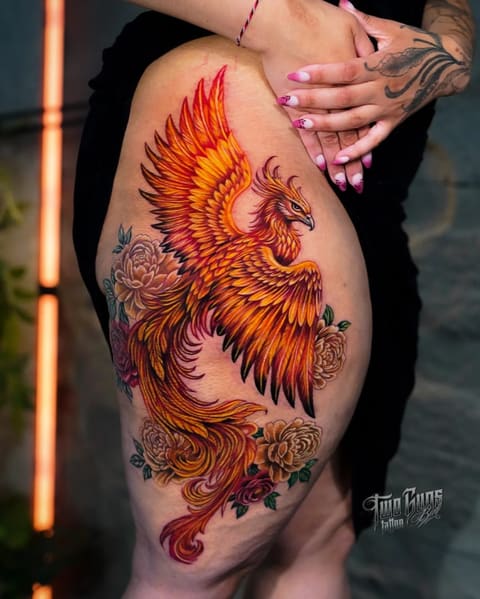
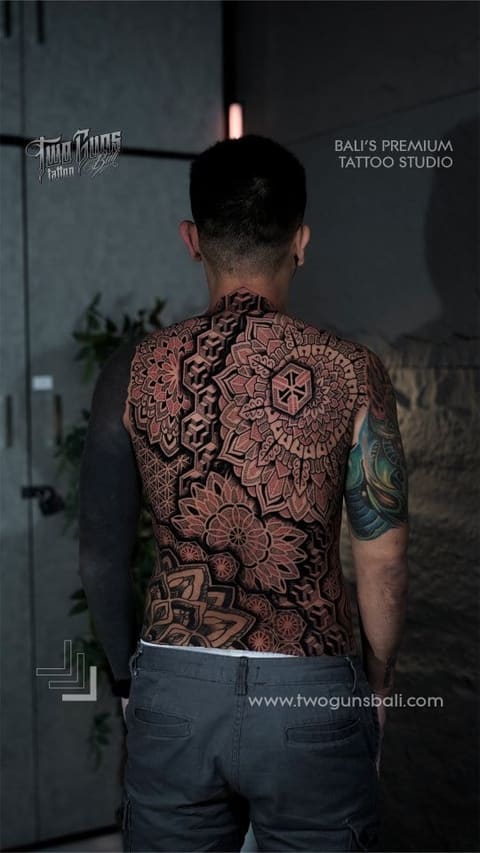
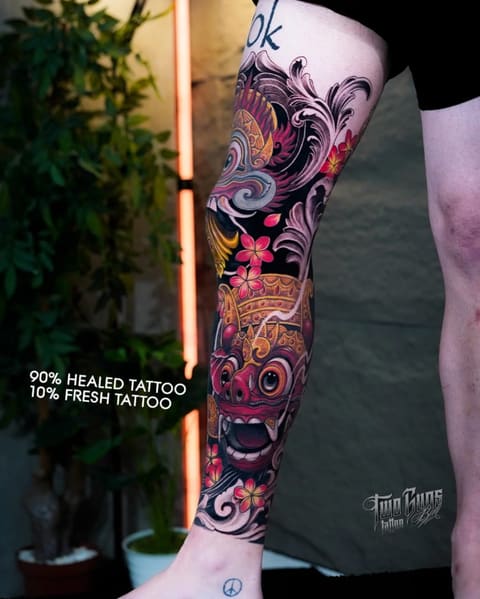
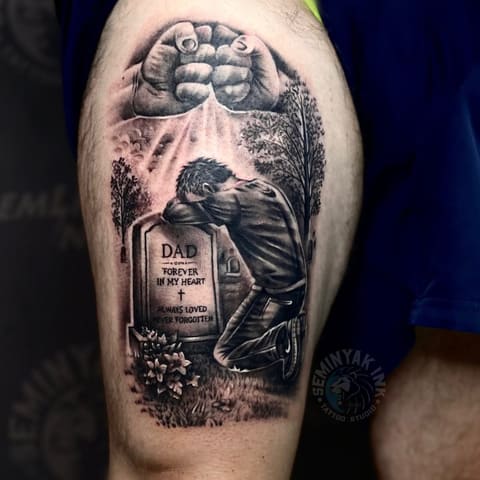
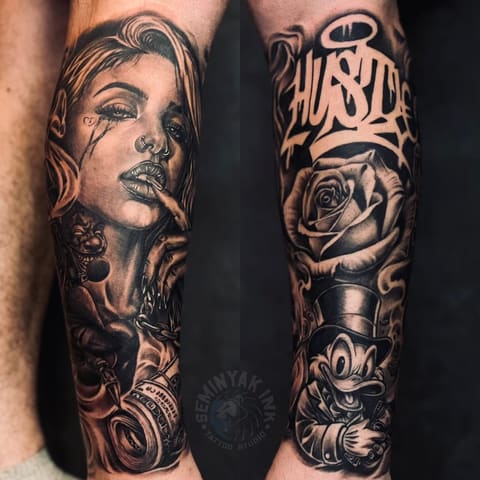
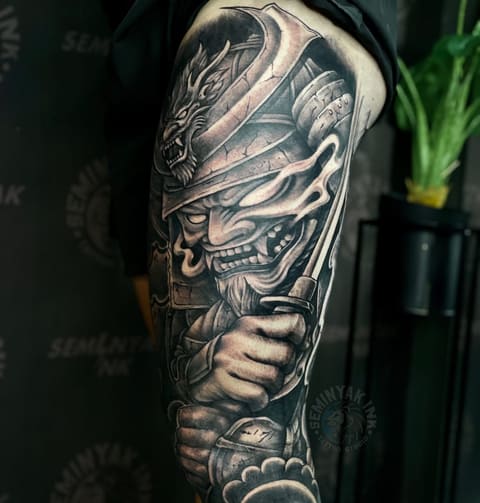
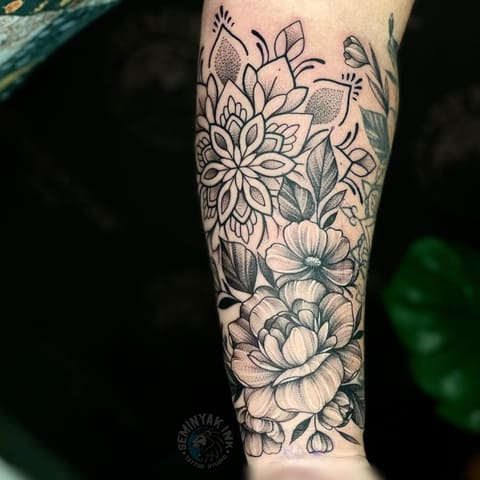
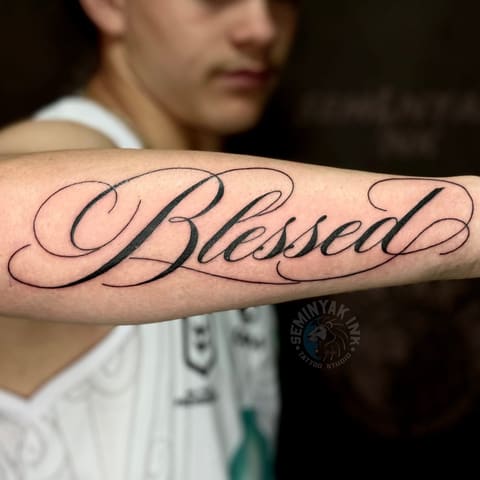
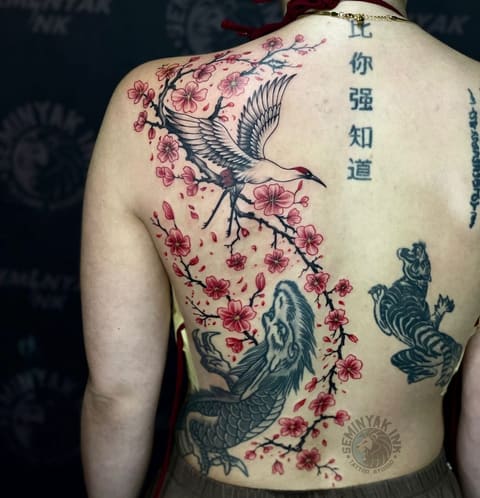
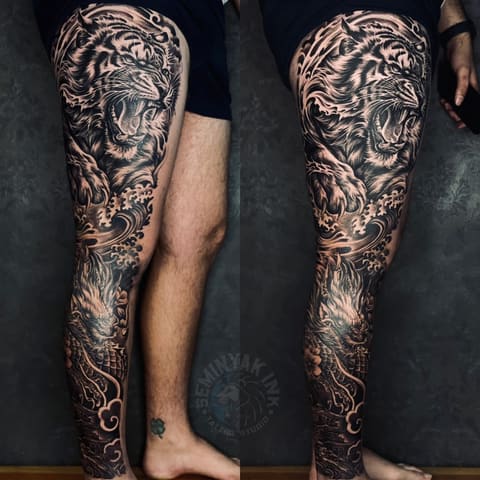
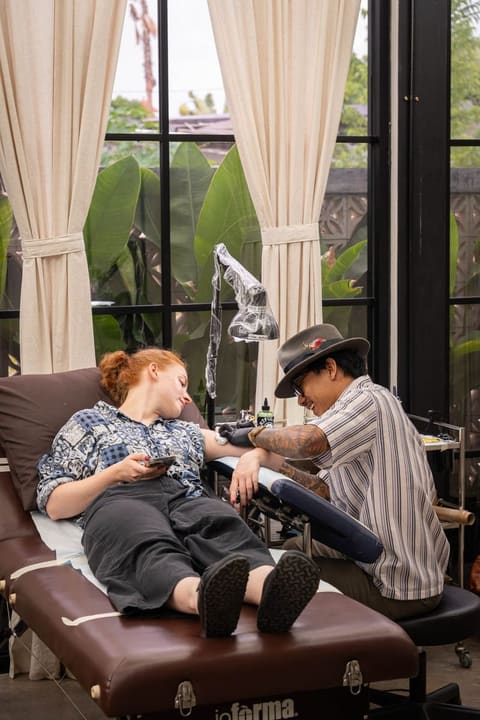
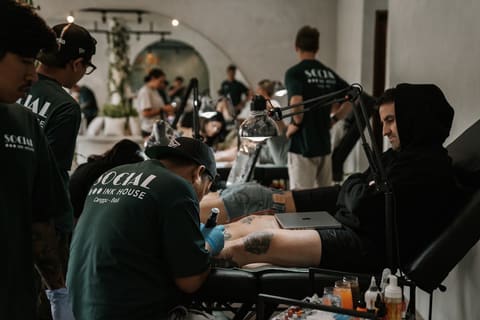

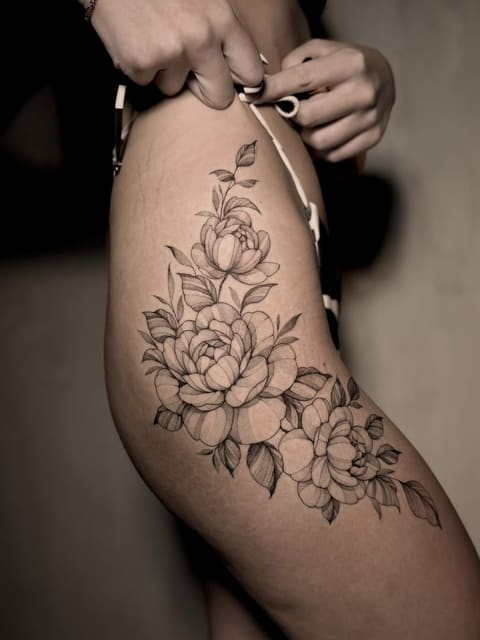
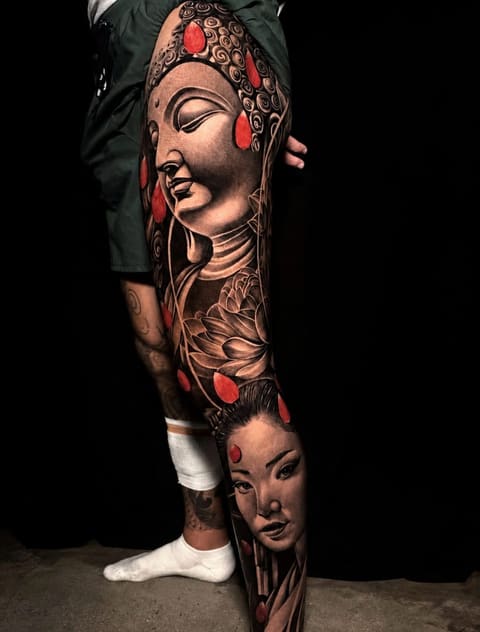
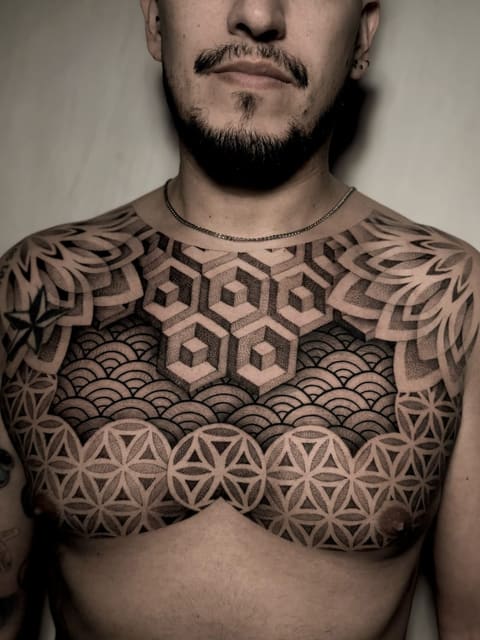
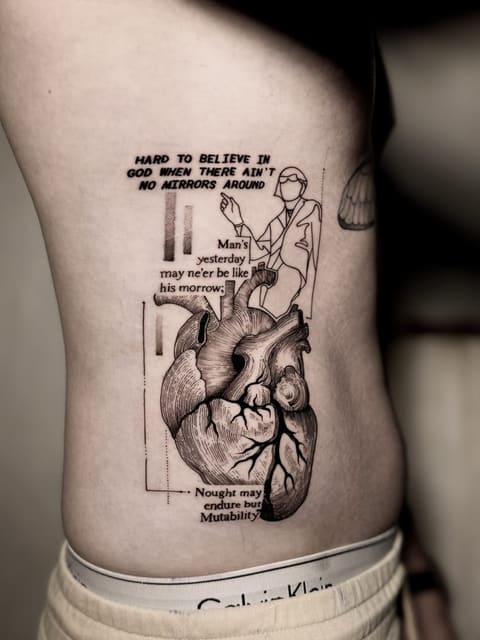
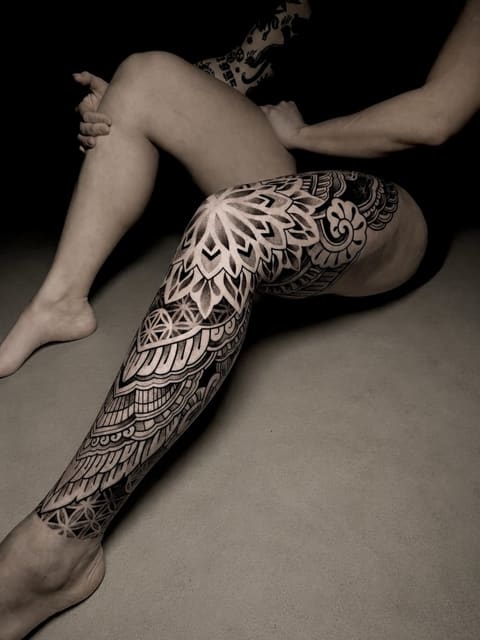
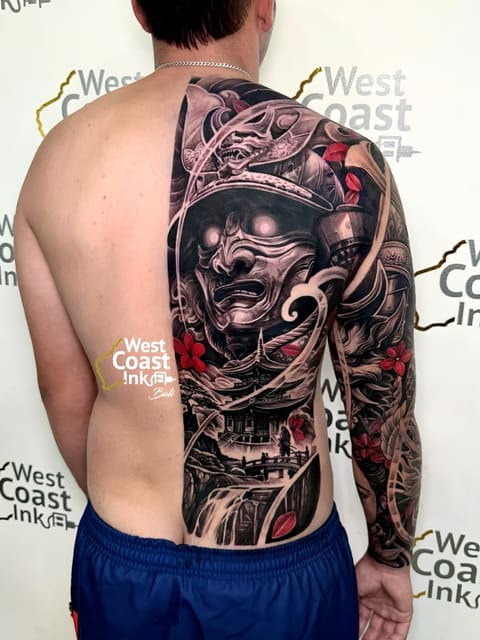
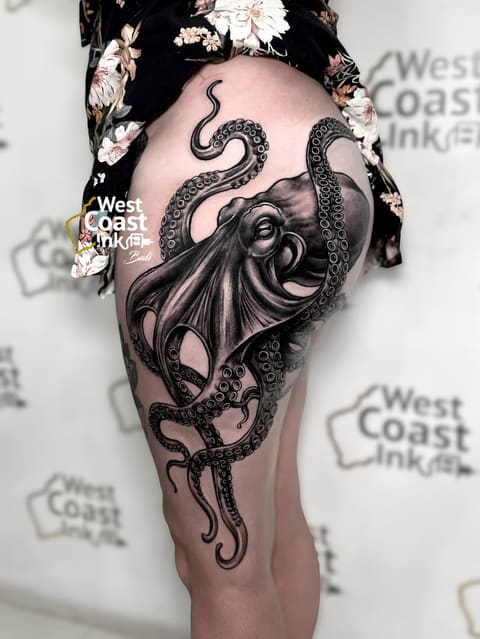
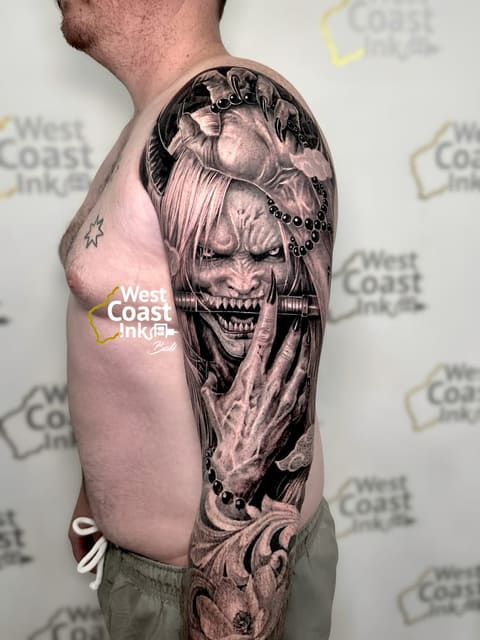
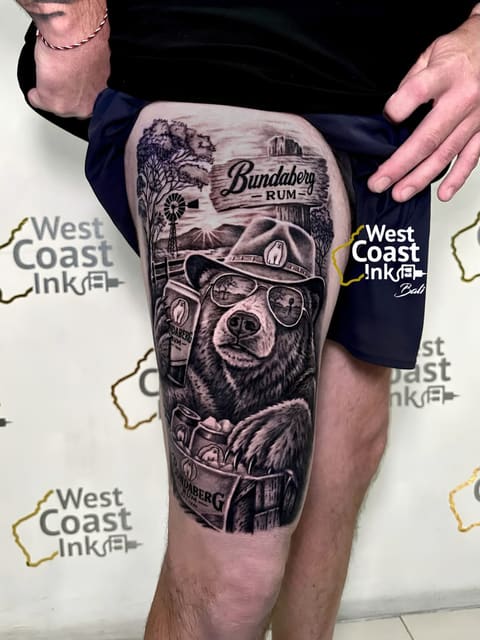
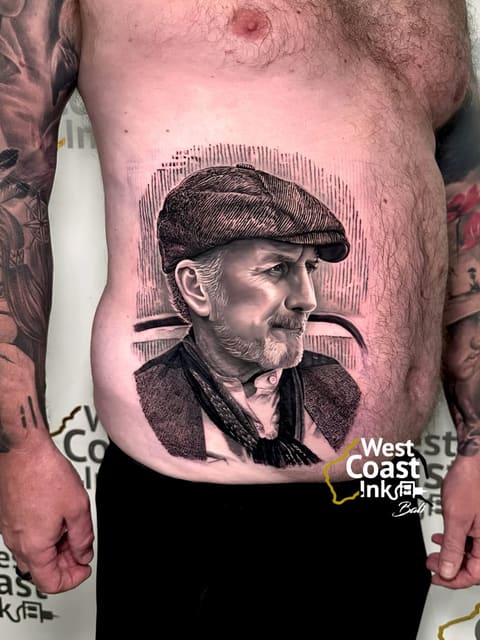
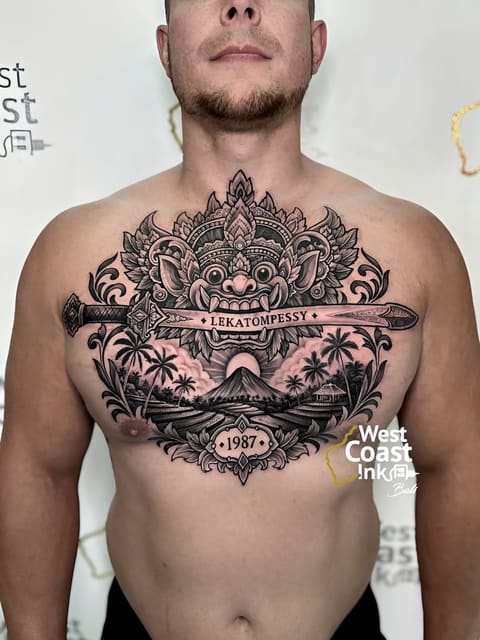
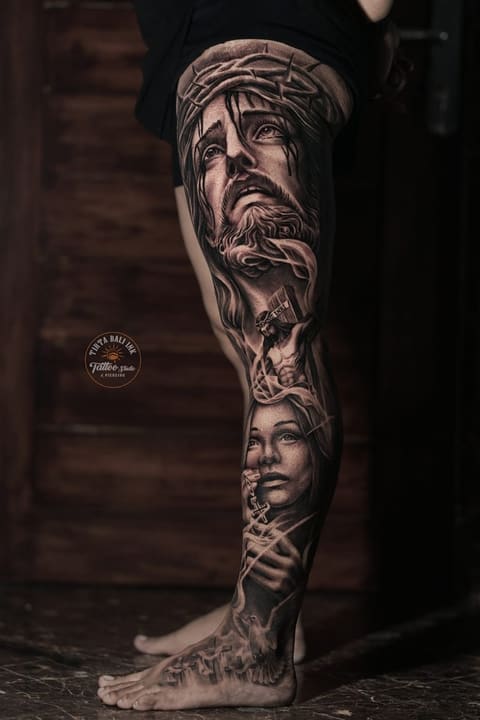
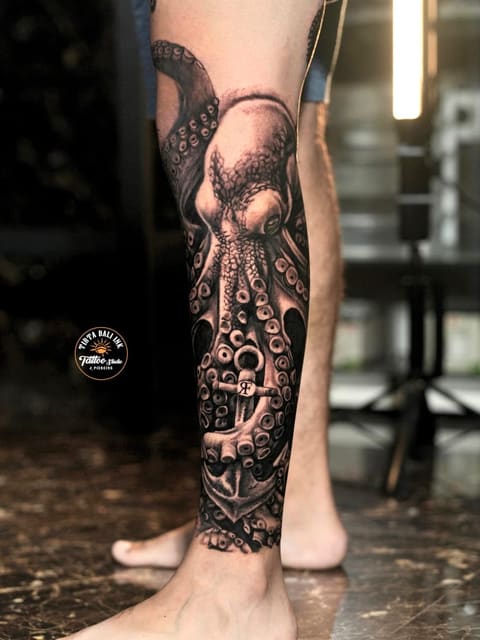
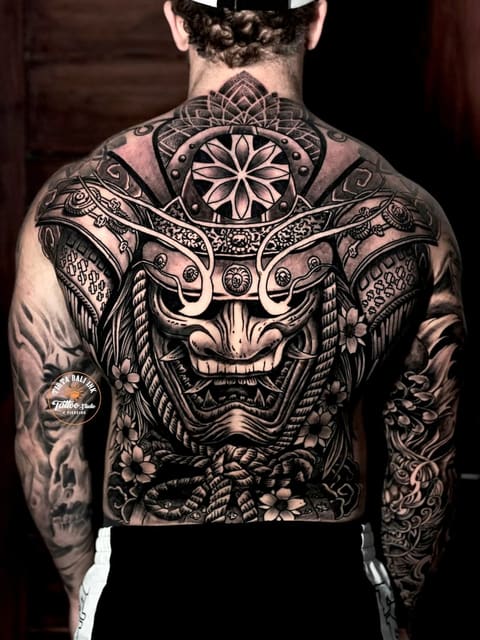
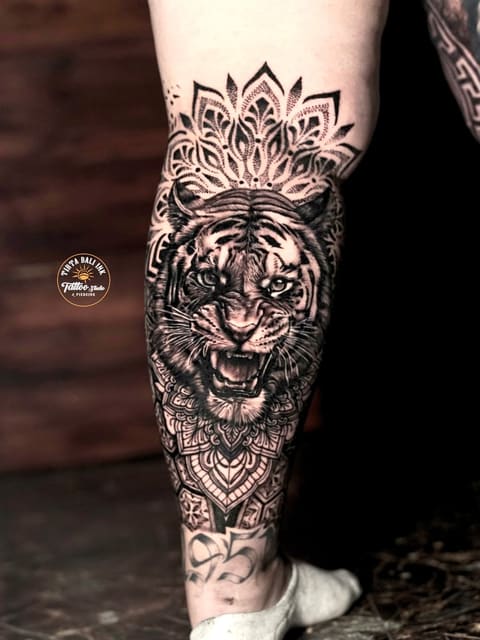
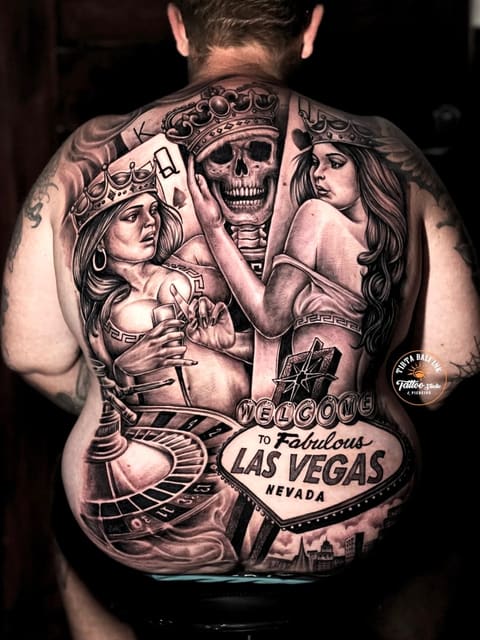
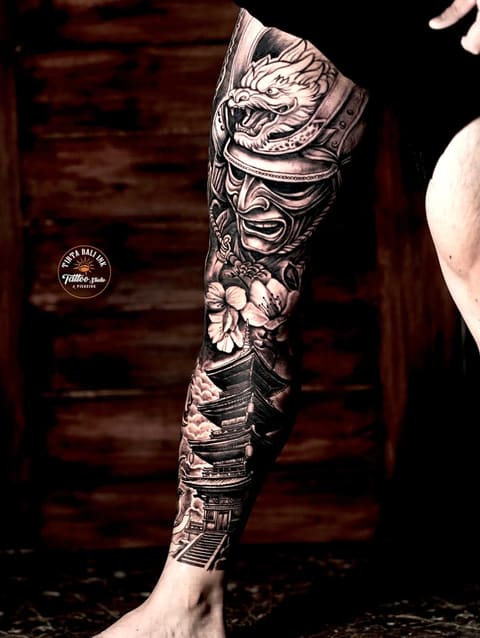
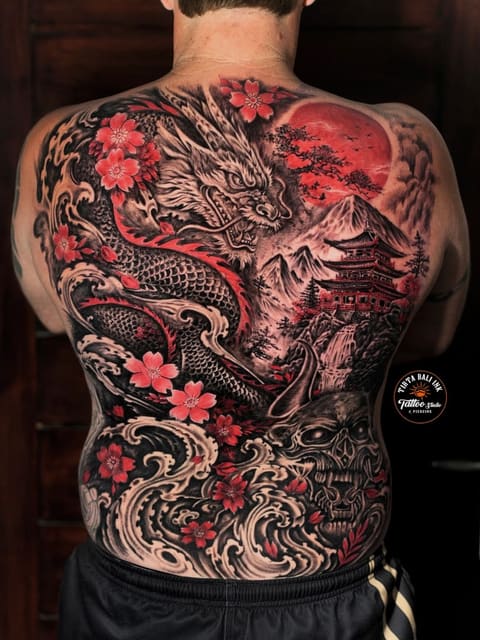
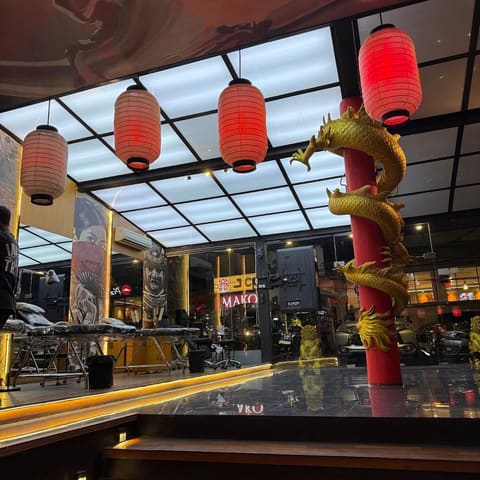
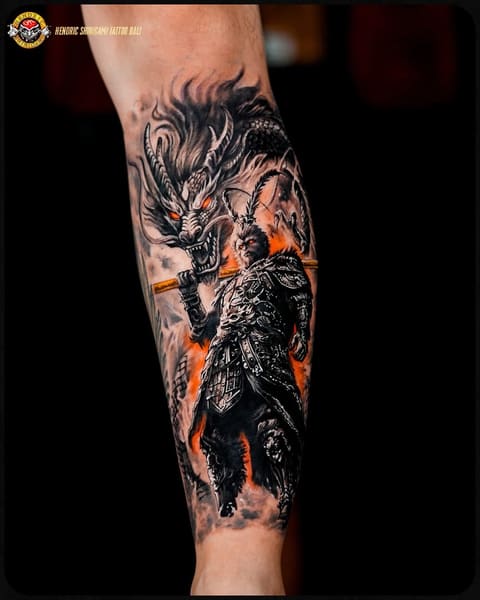
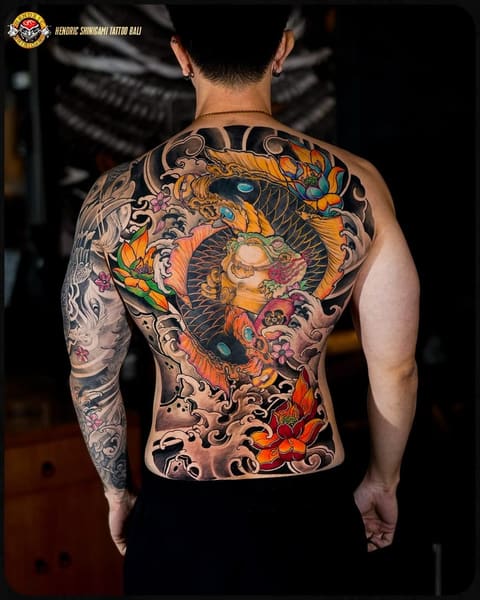
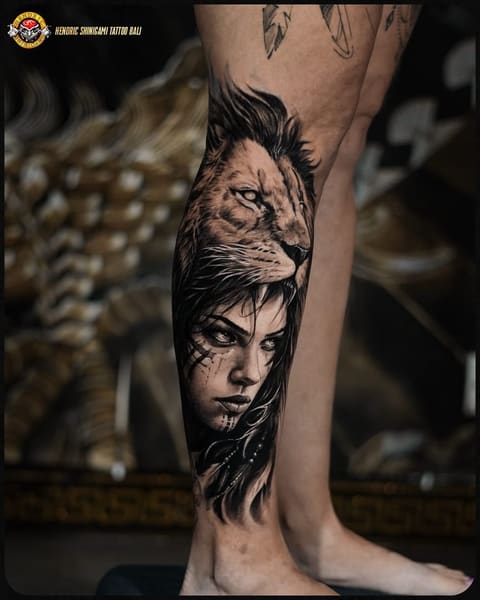
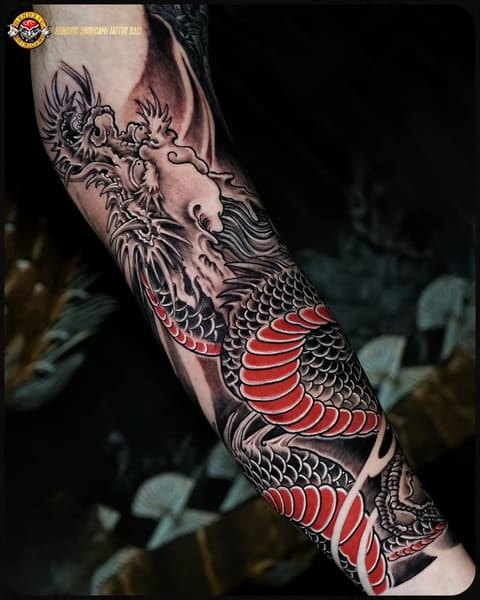
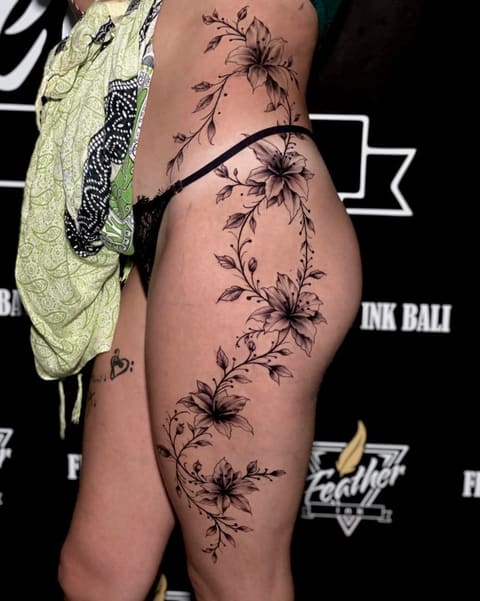
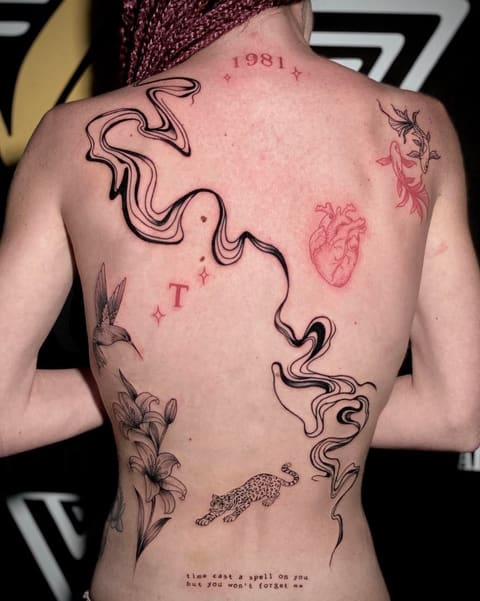
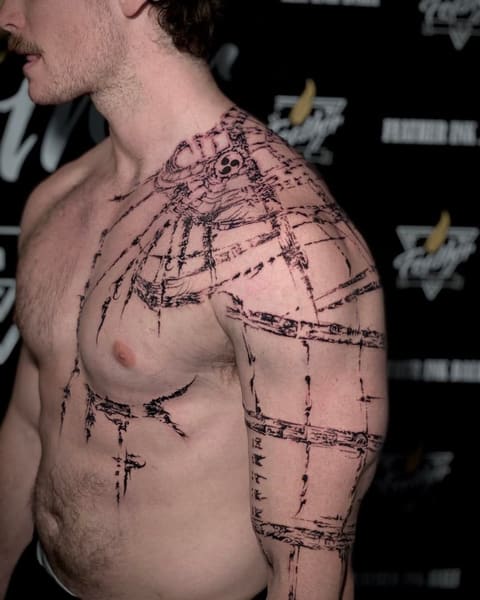
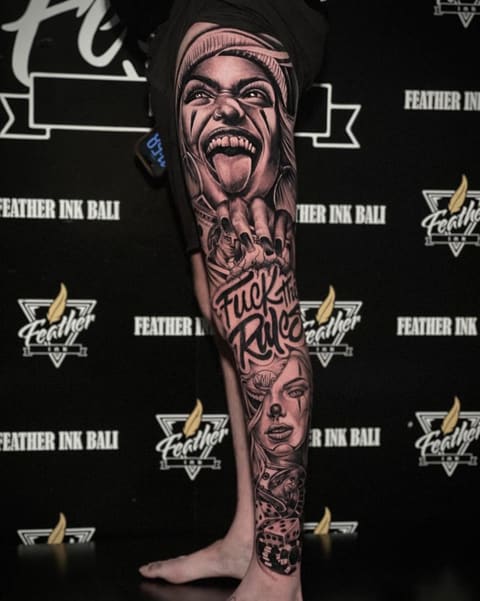
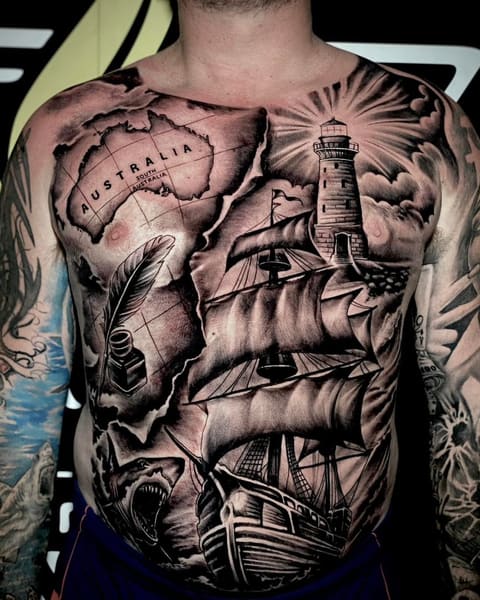
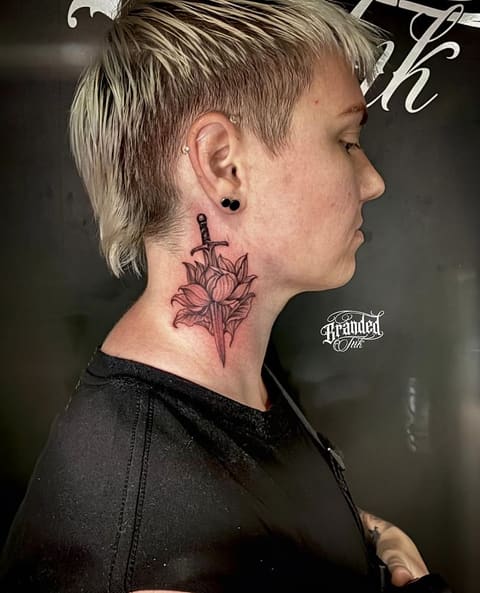
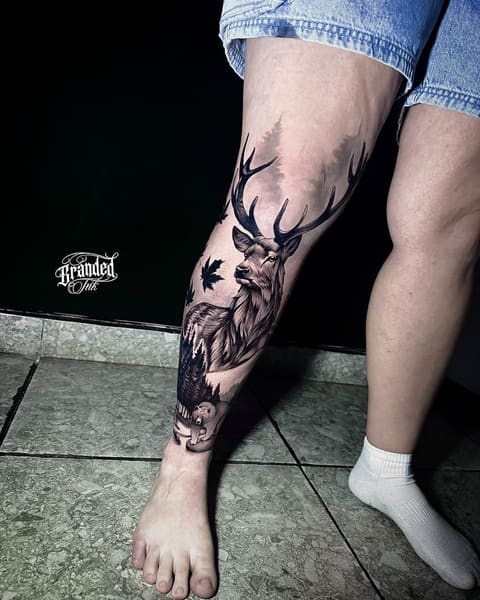
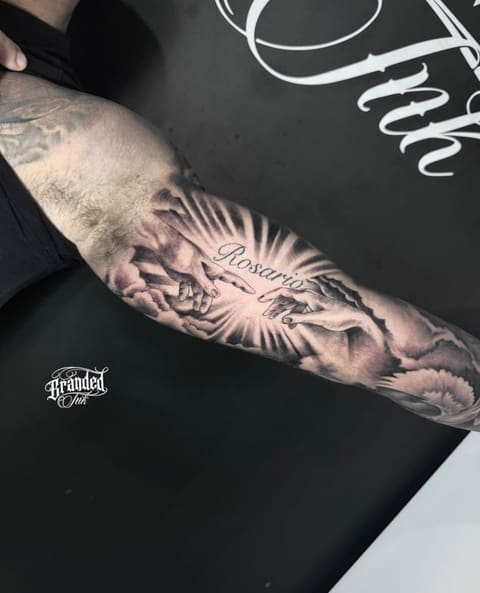
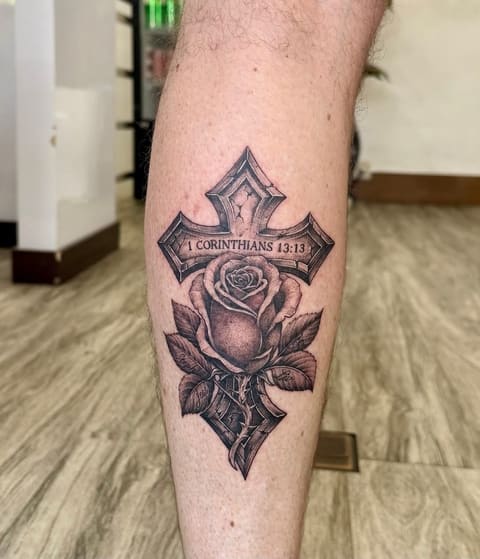
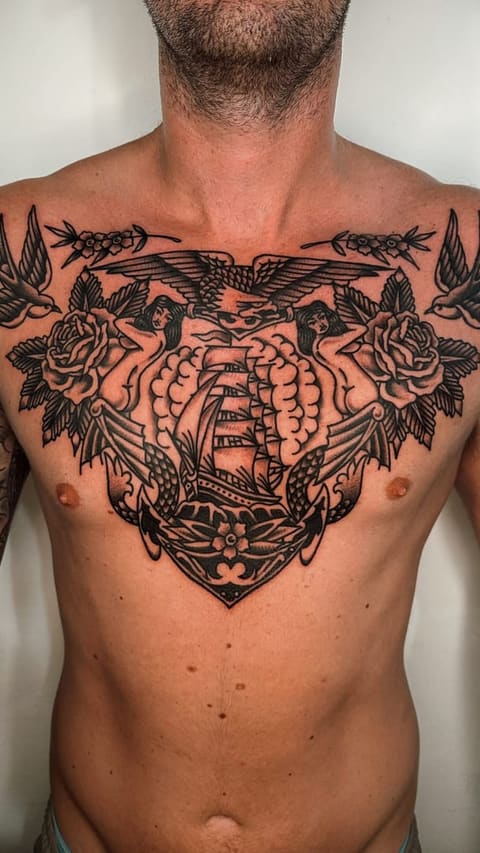
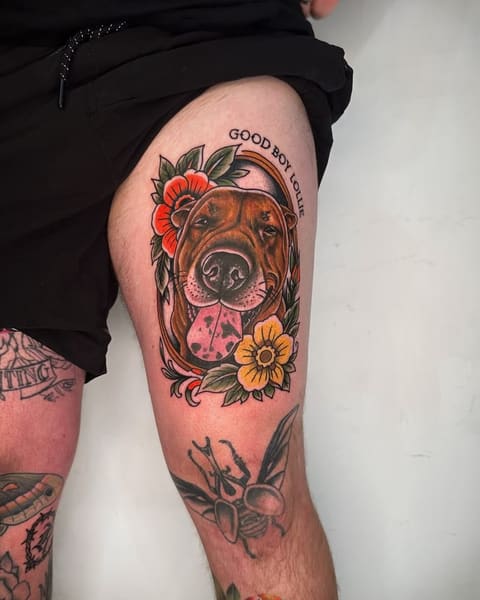
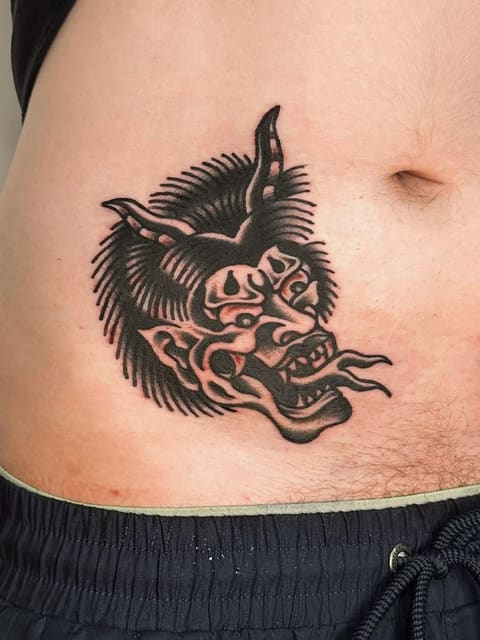
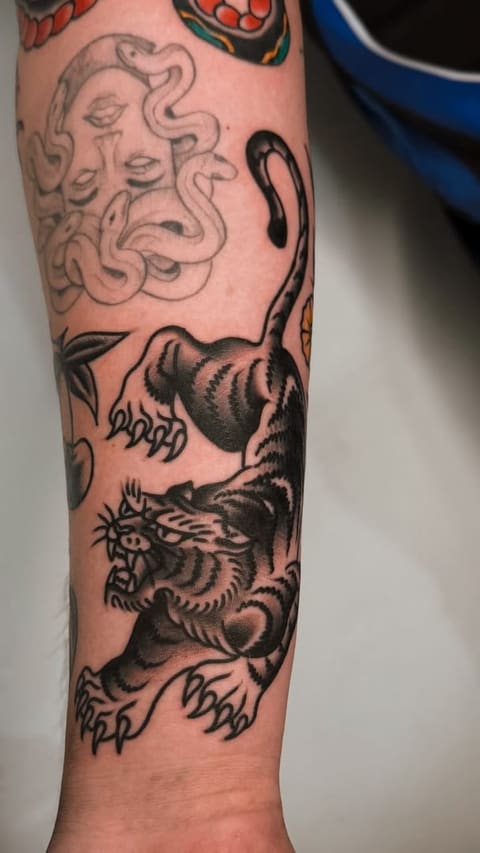
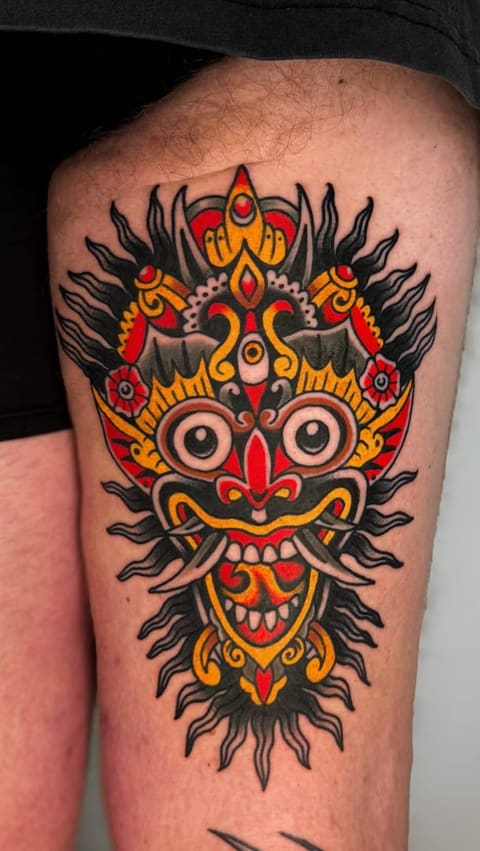
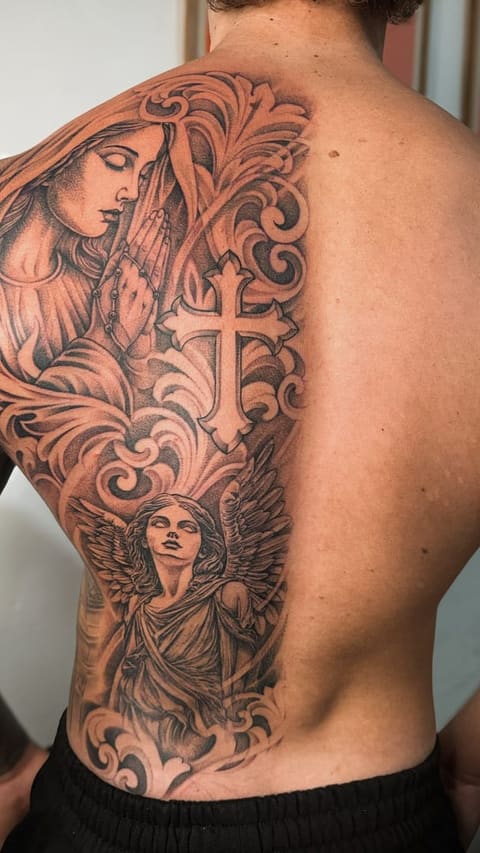
Prices come from each studio and can change. Typical ranges are worked out from the price lists we hold for Bali. Ask the studio for a quote.
Free for you
Send your Japanese idea to studios
Tell us the idea, the size and where it goes, add your reference photos, and we send it to studios that do this style. Or see it on your skin first.
The guide
Japanese, step by step.
11 short chapters: what it is, where it sits, how it ages and how to fit it into a Bali trip.
What Japanese tattooing is
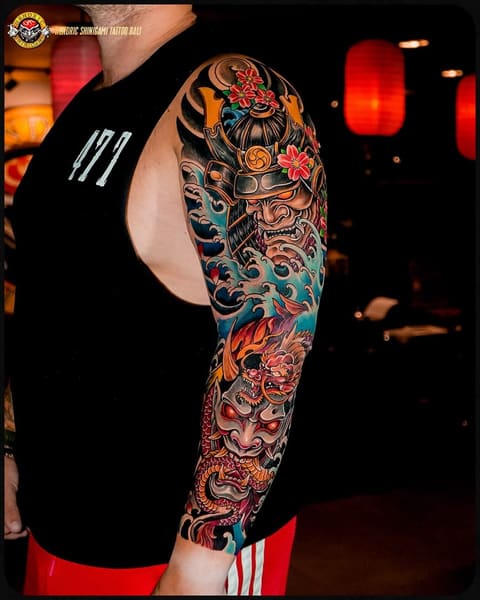
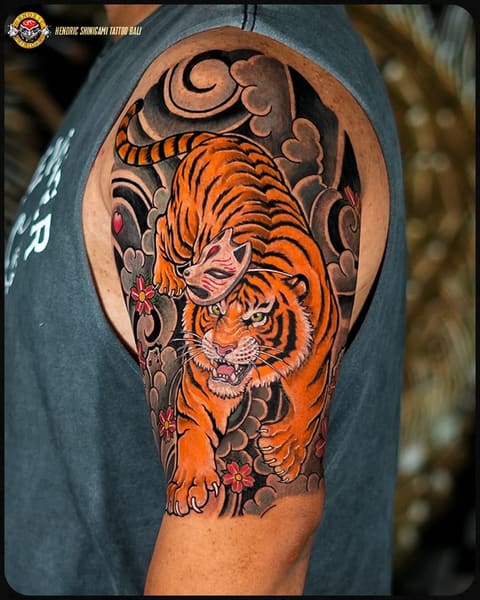
Japanese tattooing, called irezumi in Japan, is a style of large, composed tattoos. Bold outlines frame motifs from folklore and legend: dragons, koi, tigers, masks, heroes and flowers. Around them runs a background of waves, clouds or wind bars that joins everything into one piece and follows the shape of the body.
The style thinks big. A Japanese tattoo is usually planned as a sleeve, a back, a thigh or a chest panel from the start, even if the first sitting is only one part of it. That planning is what makes it look like a single work of art rather than a collection of pictures.
In our library, mythical subjects lead the Japanese photos, then masks, dragons, oni demons, samurai, flowers, waves and koi. Colour is common: 53% of the Japanese photos are black and grey, and the rest use colour, often red, black and a strong background.
Where irezumi comes from
Decorative tattooing grew in Japan during the Edo period (1603 to 1868). In the first half of the nineteenth century, the artist Utagawa Kuniyoshi made a series of woodblock prints of outlaw heroes from the Chinese novel Water Margin, known in Japan as Suikoden, covered in tattoos, and the series was a huge hit. Tradesmen such as couriers and the agile builders who also fought fires wore large tattoos, and the boom peaked in the second half of that century (Nippon.com, 2017).
In 1872 the new Meiji government banned both giving and receiving decorative tattoos, partly so Japan would not look backward to Western visitors. Tattooing carried on in hidden circles, and the legal ban was completely lifted in 1948, during the US occupation (Nippon.com, 2017).
- The Edo period, when decorative tattooing grew in Japan
- 1603 to 1868
- Source: Nippon.com, 2017
- The Meiji government bans decorative tattooing
- 1872
- Source: Nippon.com, 2017
- The ban is completely lifted
- 1948
- Source: Nippon.com, 2017
- The Supreme Court ends a tattoo artist's prosecution under the medical law
- 2020
- Source: Japan Times, 2020
Its legal status stayed unclear for decades. In 2020, Japan's Supreme Court ended the prosecution of an Osaka tattoo artist who had been charged under the law that reserves medical practice for doctors, so tattooing without a medical licence was not a crime under that law (Japan Times, 2020).
Wearing it with respect
Many travellers ask whether it is right to wear a Japanese tattoo if you are not Japanese. Respect here is mostly about the work itself: choose an artist who knows the tradition, learn what your motifs mean, and let the artist compose the piece rather than asking for a dragon from one photo, a koi from another and a mask from a third. Be careful with Japanese script; have it checked by someone who reads it, or leave it out.
- Learn the meaningAsk what each motif stands for and what it pairs with.
- Let the artist composeOne drawn piece, not three copied pictures.
- Careful with scriptHave Japanese text checked by someone who reads it.
- Japan's hot springsRules vary; JNTO suggests covers, private baths or tattoo friendly venues.
If you travel to Japan, know that tattoos still carry a stigma there. The Japan National Tourism Organization says rules at hot springs are case by case. Many owners do not mind, and there is more leniency for international visitors, but it suggests covering small to medium tattoos with skin coloured strips, renting a private kashikiri bath, choosing a tattoo friendly onsen and asking the venue first.
A sleeve can be planned to stop at the elbow or above, or a back piece to stay under a T-shirt, if you want to keep the choice of showing it. Tell your artist early; the layout depends on it.
Japanese, traditional or neo-traditional?
All three use bold outlines and solid colour, and all three age well. Traditional, often called American traditional, is built from single flash designs such as a rose, a swallow or a dagger, each standing alone. Neo-traditional adds depth, more colours and decorative frames. Japanese joins its motifs with a background into one flowing piece, usually across a large area.
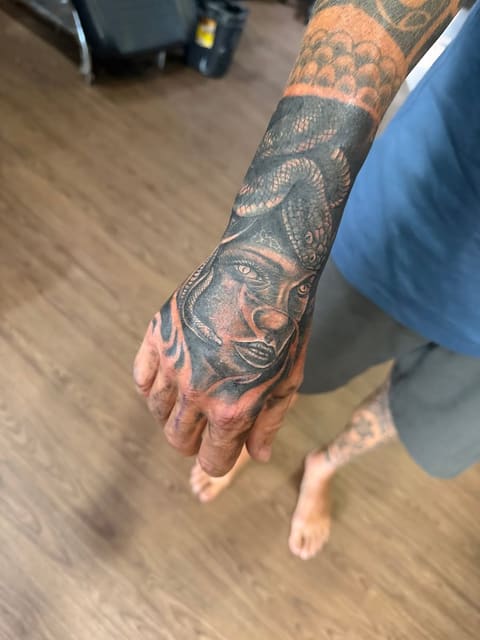
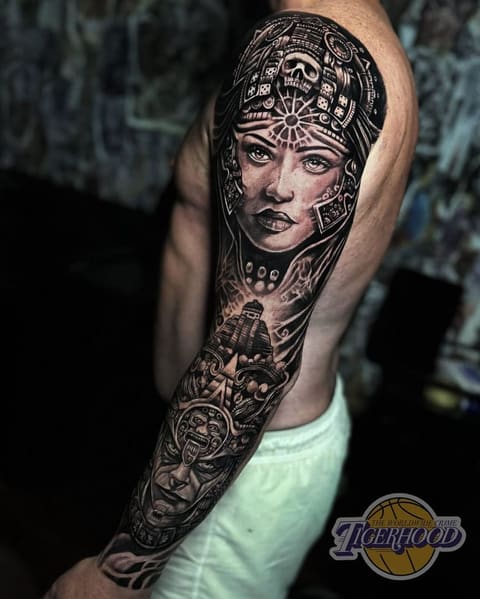
Japanese work in Bali often blends with realism: in our library, Japanese photos are most often tagged realism too, from dragons and hannya masks shaded like photographs to black and grey sleeves with realistic koi. Tell the artist whether you want the classic flat, bold look or a more realistic one.
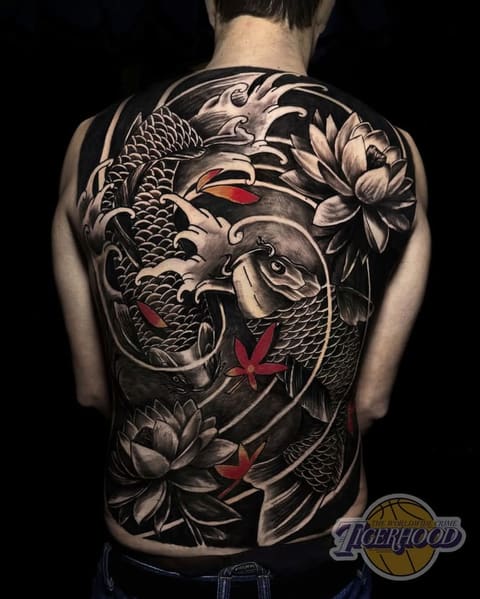 Japanese137 studios · 969 photosFolklore motifs such as dragons, koi and masks, joined by waves, clouds or wind into one flowing piece.SizeLarge: sleeves, backs, thighsHow it agesBold outlines and dark backgrounds age very well; colour needs sun care.Most often onupper arm, forearm, shoulder
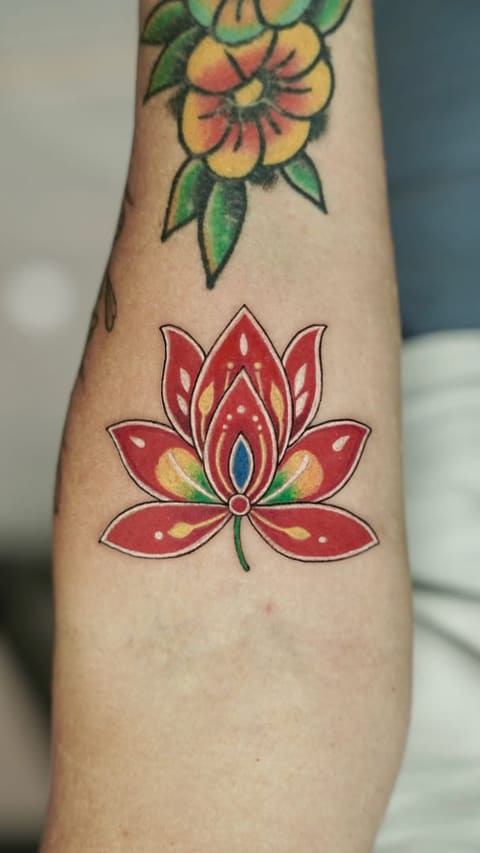 Traditional112 studios · 449 photosBold outlines, a few solid colours and flash designs such as roses, swallows and daggers.SizeSmall to medium, single piecesHow it agesAmong the longest lasting looks in tattooing.Most often onupper arm, forearm, calf
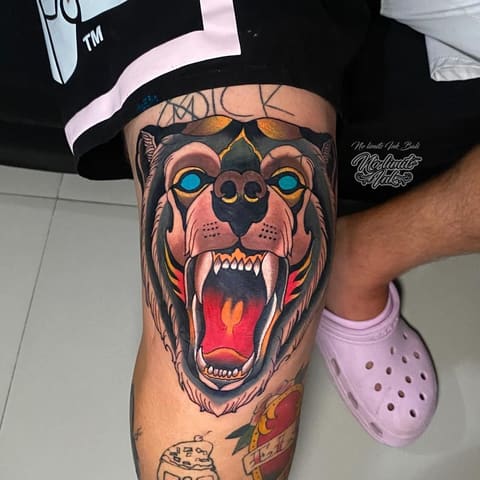 Neo-traditional50 studios · 99 photosTraditional's bold outline with more depth, a wider palette and decorative frames.SizeMedium to largeHow it agesOutlines hold; soft gradients can lighten.Most often onupper arm, forearm, calf
Studios, photos and placements are counted from our listings and our library of studio photos. The words are a general guide; your artist knows the tradition and your skin.
Motifs and the background
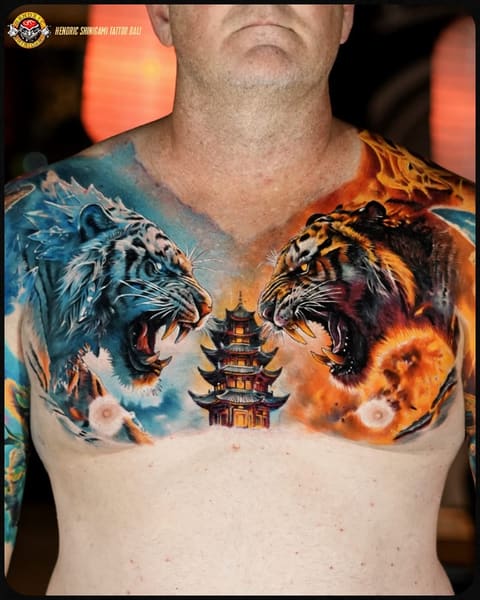
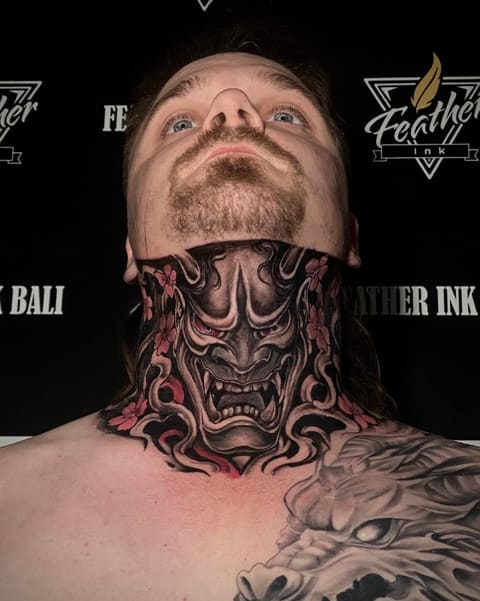
In our photos, travellers in Bali most often choose dragons, masks such as the hannya and the oni, samurai, koi, tigers and foo dogs, with peonies and cherry blossoms as the main flowers. Each motif has its own stories, and Japanese artists pay attention to which animals and flowers belong together. Ask your artist to explain the pairing they suggest.
- Dragons and koiAmong the most chosen motifs in our Japanese photos.
- Hannya and oni masksMasks lead many Bali Japanese pieces.
- Peonies and cherry blossomsThe classic flowers of the style.
- Waves, clouds and windThe background that joins it all into one piece.
The background is what joins the motifs and fits them to the body. Waves suit water creatures such as koi and dragons; clouds and wind bars fill the space around heroes and masks. In a black and grey piece, a dark background makes the main motif stand out; in colour, it frames it. A good artist draws the background to follow the muscles, so the tattoo moves with you.
Who it suits and where it sits
Japanese suits people who want one large, meaningful piece and are happy to build it over time. It suits people who like strong, graphic tattoos that read from across a room and still do decades later.
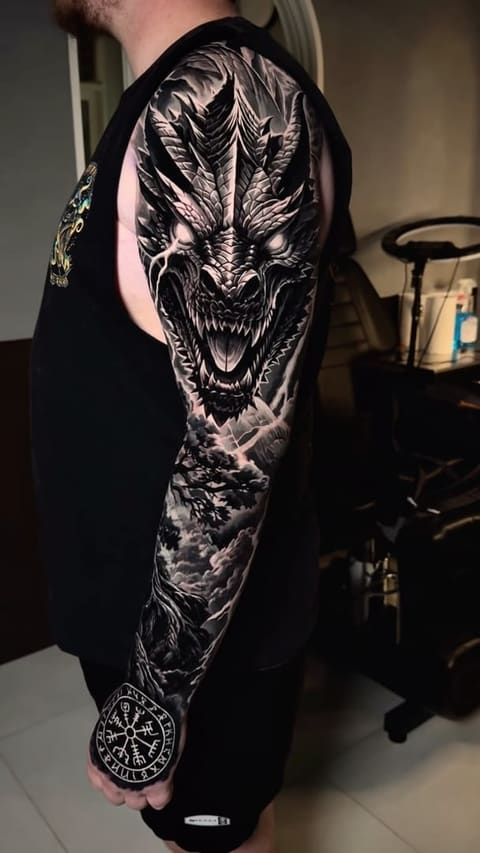
In our photos it sits most often on the upper arm, forearm and shoulder. The classic layouts are the full or half sleeve, the back piece, the thigh and the chest panel, and they are designed to link: a sleeve can later join a chest panel, and a back piece can flow into the thighs. Many of our Japanese photos are sleeves.
- SleeveThe most common Japanese piece in our photos.
- Back pieceThe biggest canvas, and the classic full composition.
- Thigh and calfRoom for a full motif with its background.
- Small, aloneLoses the flow that makes the style. Plan to grow it.
It is not a small style. A single koi the size of a coin loses what makes Japanese work special. If you want something small now, ask the artist to place it where it can become part of a larger piece later.
A good fit if
- You want a large piece with meaning: a sleeve, a back, a thigh or a chest panel.
- You are happy to let the artist compose it, motifs and background together.
- You can come back for more sittings, on this trip or the next.
- You want a look that holds its shape for decades.
Think twice if
- You want a small, single motif with nothing around it. Traditional may suit that better.
- You want to mix motifs at random because each one looks good alone.
- You have a short trip and want the whole sleeve finished before you fly.
- You often visit Japan's hot springs and want to keep that easy.
A sleeve is a project
A Japanese sleeve is usually several sittings and a back piece many. Artists often draw the design on the skin, outline it, then build the background, the shading and the colour over later sittings, with healing time in between. Some masters in Japan still tattoo by hand, a method called tebori; if that matters to you, ask a studio how it works.
Long sittings take it out of you. In a survey of 1,092 tattooed people, the authors found that the longer the session took, the more severe the pain was, and that time, bleeding and stress were the main factors increasing pain (Witkoś and colleagues, 2020). Agree on breaks, eat a proper meal and bring water and snacks.
- Tattooed people surveyed; longer sessions went with more pain
- 1,092
- Source: Witkoś et al., Int J Environ Res Public Health, 2020
For travellers, the practical answer is often two or more trips: outline and background on the first, shading and colour on the next. Ask the artist how they plan it, and keep the unfinished work out of the sun in between.
- Several sittingsA sleeve is a project, not a day.
- Across tripsOutline now, shading and colour next time.
- Ask for the estimateSittings, hours and the price of each.
- Cover it in betweenUnfinished work still needs sun care.
How it ages, and touch-ups
Japanese work is built to last: bold outlines, solid colour and a dark background. A model of how ink moves in skin, built by Ian Eames at University College London, predicted that small details are lost first while thicker lines are less affected (UCL, 2011), and this style is made of thick lines and large shapes.
Colour needs more care. Dermatologists warn that UV light can fade colour tattoos sooner than expected (Gonzalez and colleagues, 2020), and the AAD advises a broad spectrum, water resistant sunscreen of SPF 30 or more on tattooed skin, reapplied at least every two hours. Red is a classic colour of the style, and a review of tattoo reactions found red pigment is the most common cause of reactions in tattoos (Forbat and colleagues, 2016). Reactions are not common, but if a red area stays itchy, raised or sore after healing, see a dermatologist.
- Sunscreen the AAD advises on tattooed skin, reapplied every two hours
- SPF 30+
- Source: American Academy of Dermatology
- The pigment most often behind reactions in tattoos
- Red
- Source: Forbat et al., Dermatology and Therapy, 2016
- Can cause colour tattoos to fade early
- UV
- Source: Gonzalez et al., Photodermatol Photoimmunol Photomed, 2020
Big pieces often get a touch-up once all the sittings are healed, to even out the colour and the background.
Planning it on a Bali trip
A fresh sleeve is a lot of healing skin in a place built around the sea, the pool and the sun. Health advice is to avoid soaking a healing tattoo in a bath, a pool or the sea, and to keep it out of direct sunlight (Better Health Channel). Cleveland Clinic dermatologists also advise against sunscreen on it until it has healed, so loose long sleeves and shade do the work.
Put the sitting, or the last sitting of the trip, near the end, and do the surfing and diving first. In our listings, Seminyak has the most studios that list Japanese work, so it can be easy to stay near your artist for the sittings. Australia's Smartraveller advice for Indonesia also asks travellers to check the hygiene and safety of a tattoo studio first.
Choose an artist by healed Japanese work, send your ideas and the area you want covered, and ask how many sittings and how long each one is.
Do the sea, the surf and the sun while your skin is bare. Meet the artist to talk through motifs, flow and the background.
Eat a proper meal, bring water and snacks, skip alcohol the night before and wear loose clothes that leave the area free.
Many travellers do the outline and background on one trip and the shading or colour on the next. Keep it out of the sun in between.
Healing a big piece in the heat
Healing follows a pattern. Itching and flaking are common in the first two weeks; after about three weeks scabs and flakiness usually ease; and the top layer of skin is usually healed after about two months, while deeper layers can take several more months. Larger tattoos can take a few months to fully heal (Cleveland Clinic).
- Itching and flaking are common for about this long
- 2 weeks
- Source: Cleveland Clinic, 2026
- About when the top layer of skin is healed
- 2 months
- Source: Cleveland Clinic, 2026
- How long larger tattoos can take to heal fully
- Months
- Source: Cleveland Clinic, 2026
Heat and humidity make a big piece harder. Sweat, sticky sheets, tight sleeves and a scooter ride in the midday sun all rub on it. Wash it gently with mild soap, pat it dry and moisturise lightly when it feels dry; the AAD suggests a water based lotion and warns that petroleum based products can cause ink to fade.
Advice varies: a review of 700 American aftercare sheets found it differed widely, and only about one in five said when to see a doctor (Liszewski and colleagues, 2023). See a doctor for fever, skin that is hot to the touch, a bad smell or a lot of discharge, pain that grows instead of easing, or red streaks running from the tattoo (Cleveland Clinic).
Day 1
A big wound
A long sitting leaves a large area tender and swollen. The studio wraps it and tells you when to take the wrap off; wash gently and rest.
Days 2 to 14
Scabbing and itching
Packed colour and black background can scab, and itching is common. Leave scabs alone and keep tight sleeves off it.
Weeks 2 to 4
Settling
After about three weeks the flaking usually eases. Colours can look dull until the new skin clears.
2 months and more
Ready for the next sitting
The top layer is usually healed by about two months, and larger tattoos can take a few months to heal fully. Your artist decides when the next sitting can go on top.
Red flags and questions to ask
Most Bali studios are careful and proud of their work, and their reviews show it. A Japanese piece is still a long commitment across many sittings, so the artist matters as much as the studio. Infections come from unhygienic practice, equipment that is not sterile and contaminated ink (FDA); check these before you pay a deposit.
Motifs stuck together without a background
Japanese work joins its motifs with waves, clouds or wind. Separate stickers on one arm is not the style.
No healed sleeves in the portfolio
Ask to see healed Japanese sleeves or backs, months or years on, not only fresh photos.
Random kanji from a phone translation
Japanese script on the skin should be checked by someone who reads it. Many artists will advise against it.
A whole sleeve promised in one day
A sleeve is several sittings with healing between them. One rushed day is a warning sign.
Needles or gloves not opened in front of you
Single use, sterile needles and fresh gloves for each client are the basic standard. Watch them come out of the packet.
No aftercare in writing
Aftercare advice differs a lot. Ask for it in writing, with what should make you come back or see a doctor.
Questions to ask before you pay a deposit
- 1.Can I see healed Japanese sleeves or backs you have done?
- 2.Which motifs go together, and what do they mean?
- 3.How will the background join the motifs and fit my body?
- 4.How many sittings will it take, and can we split them across trips?
- 5.Is it a day rate or a project price, and what is included?
- 6.Which ink do you use, and are your needles single use?
Questions, answered.
How many studios do Japanese tattoos in Bali?
137 studios in our listings offer Japanese work, with an average Google rating of 4.9. Seminyak has the most of them. Each studio page shows its own photos and reviews.
How much does a Japanese sleeve cost in Bali?
It depends on the number of sittings, the colour and the artist. Most studios price big Japanese work by the sitting, the day or the project. Few publish prices, so the price section shows what studios do publish; ask for an estimate of sittings and the price of each.
What does irezumi mean?
Irezumi is the Japanese word for tattooing. In English it usually means the traditional Japanese style: large, composed pieces with folklore motifs joined by a background.
Is it disrespectful to get a Japanese tattoo if I am not Japanese?
Many people from outside Japan wear Japanese work. Respect is mostly about how: choose an artist who knows the tradition, learn what your motifs mean, let the artist compose the piece and be careful with Japanese script.
How many sessions does a Japanese sleeve take?
Usually several long sittings, with healing in between. A back piece takes many more. The exact number depends on the design, colour and size; ask for an estimate and whether it can be split across trips.
Can I start a sleeve in Bali and finish it later?
Yes, and many travellers do. Outline and background on one trip, shading and colour on the next is a common plan. Ideally return to the same artist; if not, ask the first artist for photos and the design.
What do koi, dragons and hannya masks mean?
Each motif has its own stories in Japanese folklore, and artists pay attention to which animals and flowers belong together. Ask your artist what they suggest for your piece and why.
Should I get kanji in a Japanese tattoo?
Only if someone who reads Japanese has checked it. Mistranslated script is a common regret, and many artists of the style leave text out entirely.
Can I go to a Japanese onsen with tattoos?
It depends on the venue. Japan's tourism board says rules are case by case, and suggests covering small tattoos with skin coloured strips, booking a private bath, choosing a tattoo friendly onsen or asking first.
Black and grey or colour?
Both are traditional. In our library, 53% of the Japanese photos are black and grey. Colour is striking but takes longer and needs more care in the sun.
Does a Japanese sleeve hurt?
Long sittings are tiring, and in one survey longer sessions went with more pain. The inner arm, the elbow and the ribs are sore for many people. Agree on breaks, eat beforehand and bring water.
What is tebori?
Tattooing by hand with needles fixed to a rod, the traditional Japanese method. Some masters in Japan still use it. If it matters to you, ask a studio how it works before you book.
Can I swim between sittings?
Not while any part of it is healing. Health advice is to keep a healing tattoo out of baths, pools and the sea and out of direct sun. Swim first and tattoo last, or plan the sittings across trips.
How do I protect the colour in a Japanese piece?
Cover it while it heals, without sunscreen, as Cleveland Clinic dermatologists advise. Once healed, the AAD advises a broad spectrum, water resistant SPF 30 or more, reapplied at least every two hours. Reds and bright colours fade first in strong sun.
Is it safe to do a sleeve over several sittings in Bali?
Yes, with a careful studio. Check the basics at every sitting, not only the first: single use, sterile needles and fresh gloves opened in front of you. Infections can come from unhygienic practice, unsterile equipment or contaminated ink, and each sitting is fresh open skin.
How do I book a Japanese tattoo artist in Bali?
Open a studio below to see its Japanese work, reviews and area, and send your ideas with the area you want covered. Or take the quiz and we send your request to studios that do Japanese work.
Sources and review
How we made this page
Reviewed by the Peachy Tattoos editorial team
Last reviewed November 10, 2026
Studio counts, ratings, areas and prices come from our listings of Bali studios. Photo counts, placements and subjects come from our library of the studios' own photos. Health and healing facts come from the sources listed here, named where they are used.
Check our work
Ask an AI assistant to fact check this page against its sources.
References
- 1.Irezumi: the Japanese tattoo unveiled (Yamamoto Yoshimi) · Nippon.com, 2017
- 2.Tats not all, folks: behind the Supreme Court's tattoo ruling · The Japan Times, 2020
- 3.Onsen hot springs: on tattoos and etiquette · Japan National Tourism Organization
- 4.Caring for tattooed skin · American Academy of Dermatology
- 5.Tattoo aftercare tips from a dermatologist · Cleveland Clinic Health Essentials, 2026
- 6.Think before you ink: tattoo safety · U.S. Food and Drug Administration, 2024
- 7.Tattoos · Better Health Channel, Victoria State Government, 2015
- 8.Indonesia travel advice: health · Smartraveller, Australian Government
- 9.Maths predicts how a tattoo will age (Ian Eames, University College London, in Mathematics Today) · Phys.org, 2011
- 10.Gender differences in subjective pain perception during and after tattooing (Witkoś et al.) · International Journal of Environmental Research and Public Health, 2020
- 11.Patterns of reactions to red pigment tattoo and treatment methods (Forbat et al.) · Dermatology and Therapy, 2016
- 12.Ultraviolet radiation may cause premature fading of colored tattoos (Gonzalez et al.) · Photodermatology, Photoimmunology and Photomedicine, 2020
- 13.An analysis of the content and recommendations of 700 American tattoo aftercare instructions (Liszewski et al.) · Dermatology, 2023
This guide is general information, not medical advice. Your artist knows your skin and your design; see a doctor for any sign of infection or a skin reaction.
Ready for your Japanese tattoo?
One request, sent to studios that do the style. Free, and no account.