aftercare
Tattoo Scabbing: What's Normal and When to Worry
Tattoo scabbing is normal between days 4 and 14, but thick, weeping, or raised scabs mean something else. Here's what each type tells you.
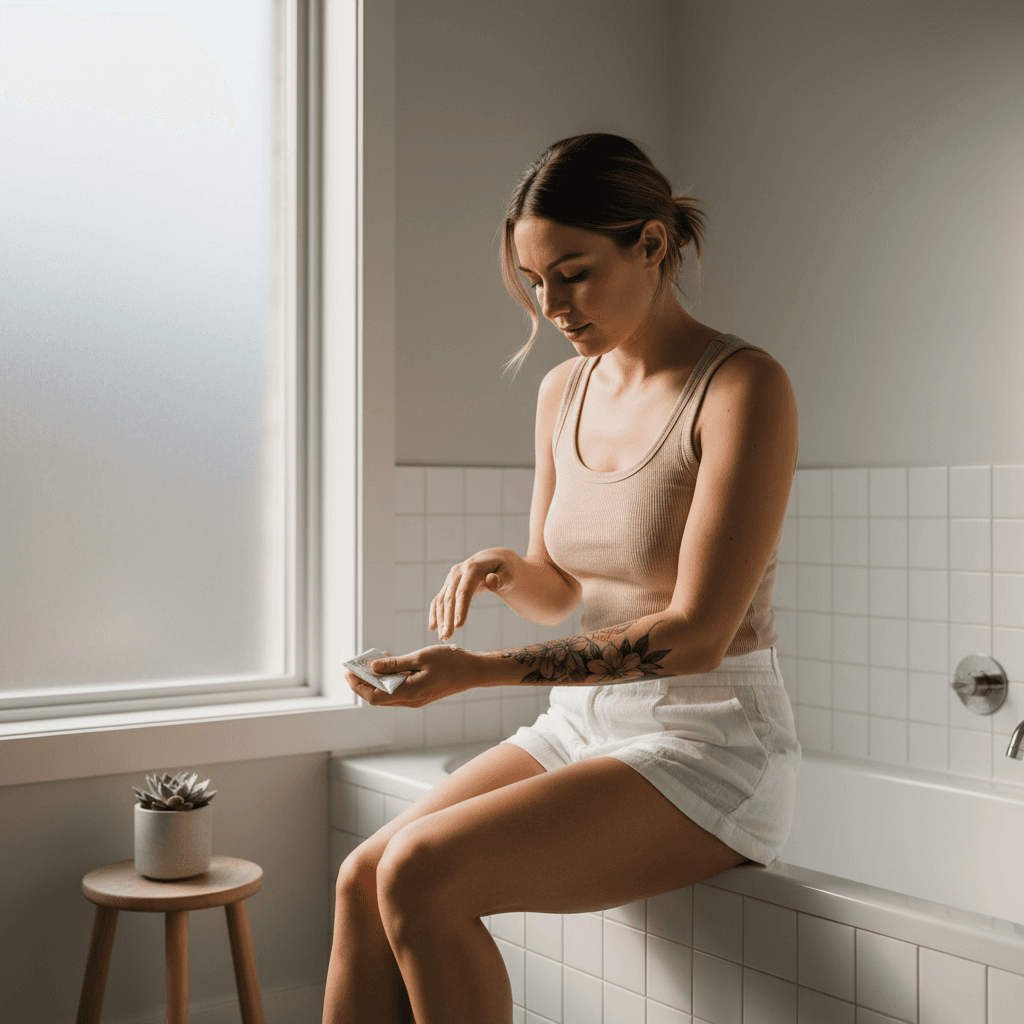
A new tattoo is a controlled wound, and that wound has to scab before it can fully close. Almost every tattoo scabs to some degree between day 4 and day 14, but the difference between a healthy crust and a problem one is the line between a crisp heal and a patchy touch-up later. This guide breaks the timeline down day by day, shows what good scabbing looks like, and flags the warning signs that mean you need either an aftercare adjustment or a doctor.
Why fresh tattoos scab in the first place
Tattoo needles drive ink between 1 and 2 mm into the dermis, breaking thousands of tiny capillaries along the way. Your skin responds with plasma, lymph fluid, and a thin layer of blood that mixes with excess ink and dries on the surface. That dried mix is the scab. It is your body building a temporary roof while the dermis underneath knits itself back together.
Scabbing happens on almost every tattoo. The thickness varies based on saturation, needle depth, ink color, and how the artist worked the area. A heavily packed black panel scabs more than a single fine line. Color tattoos can scab in patches that match the densest pigment zones. Skin on the ribs, hands, or feet often scabs differently than the forearm because those areas flex constantly and produce more lymph.
You do not stop the scab from forming. You manage it. The goal is a thin, dark, even crust that lifts on its own between days 10 and 14. Anything thicker, wetter, or earlier than that timeline means something is off with either the aftercare routine or the trauma level of the work itself.
The normal scabbing timeline
Day 1 to day 3 is the plasma weep. Your tattoo looks shiny, slightly puffy, and seeps clear or pinkish fluid. There is no real scab yet. If you are wrapped in Saniderm or a similar second skin this fluid collects under the film. After the wrap comes off you wash gently and pat dry.
Day 4 to day 7 is when scabs start to form. The surface tightens. You will see a dark, slightly textured layer where the densest ink sits. Lines might look raised. The tattoo can feel tight when you move. This is the structural phase. Your skin is laying down new tissue under the crust. Do not pick. Do not soak in a tub. Keep the routine boring.
Day 7 to day 14 is the lift. Small flakes start to peel off in the shower or when you apply lotion. Those flakes carry old ink with them, which looks alarming but is harmless. Underneath you will see fresh skin that looks slightly milky over the tattoo. The milky veil is the new epidermis. It clears between weeks 3 and 6 as the deeper layers settle.
If your scabs have not lifted by day 18 to 21, the timeline is running long. That usually points to overhydration from too much ointment, low circulation in the area like ankles and shins, or unusually dense saturation in the work itself.
What healthy scabbing looks like
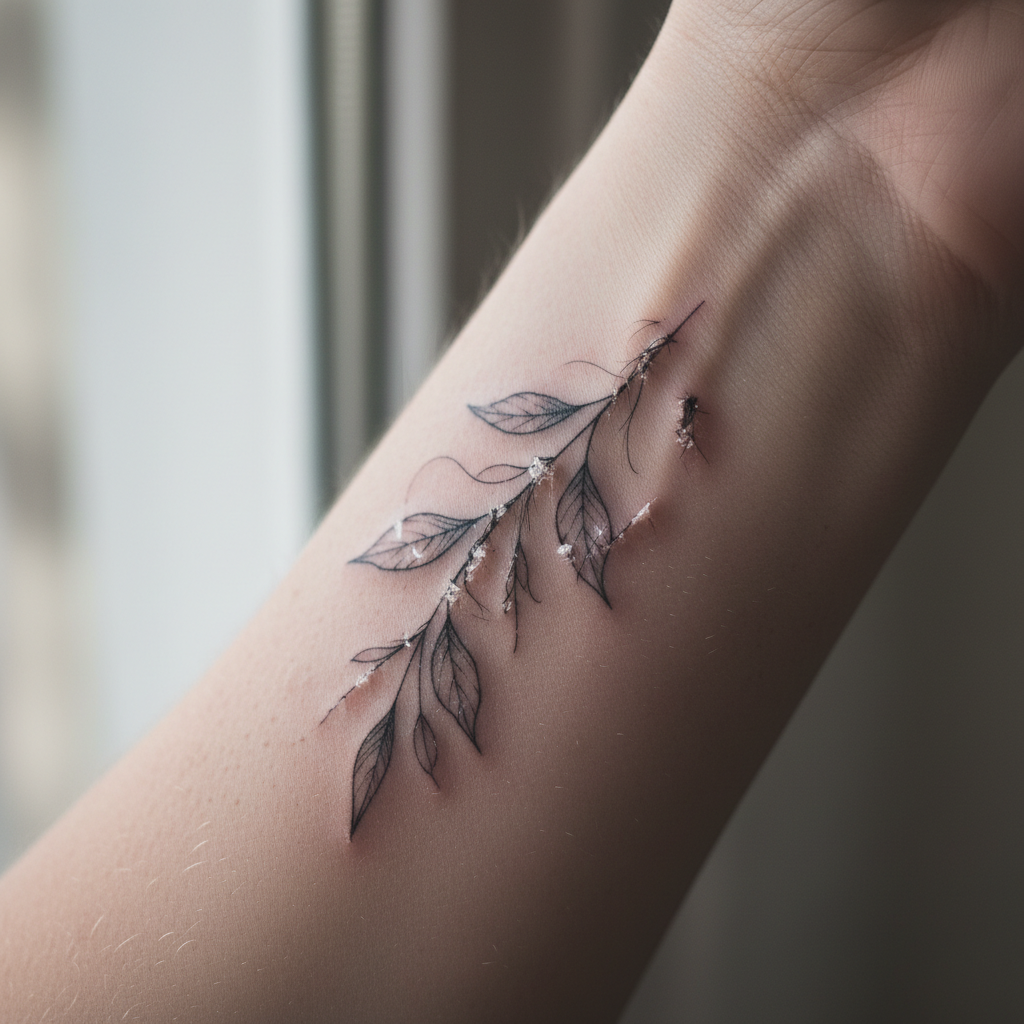
Healthy scabs are thin, dark, and flat against the skin. They follow the lines and shaded zones of the tattoo exactly. When you flex the area they crack into small flakes rather than lifting in sheets. Color underneath looks slightly darker than the final result because the scab acts like a filter over the new ink.
Pay attention to texture. A normal scab feels dry and slightly crisp. It should not feel spongy, soft, or warm to the touch. Press around the tattoo with the back of your hand. The skin should be the same temperature as the rest of your arm. Local heat is one of the earliest signals that something has shifted from healing to infection.
Color is the next signal. Brown, dark red, or black scabs are normal. Yellow crust that smells faintly metallic is plasma that dried thick, which still falls inside the normal range if it is dry and lifts cleanly. Green or grey discharge under or around the scab is not normal. Neither is a red halo that extends more than a centimetre past the tattoo edges.
If you want a visual reference for what each day should look like, the full healing timeline post lays it out stage by stage.
When scabbing crosses into a problem
Thick raised scabs that sit on top of the skin rather than into it usually mean too much moisture during healing. Ointment was applied too often or too thick. Lymph could not evaporate, so it pooled and dried into a heavy layer. Heavy scabs trap ink in the wrong layer and can pull pigment out when they fall, leaving patchy spots that need a touch-up at week 6.
Scabs that crack and weep clear or yellow fluid after day 7 are a sign of mechanical stress. You stretched the area, slept on it, or worked out before the structural phase finished. Each crack creates an entry point for bacteria and disrupts the new dermis underneath.
A few signs should send you straight to a doctor rather than your artist:
- Red streaks radiating away from the tattoo
- Pus or thick discharge from under the scab
- Fever, chills, or swollen lymph nodes near the tattooed limb
- Pain that intensifies after day 5 instead of fading
- Black, purple, or dark grey patches that spread outward
These point to infection that needs antibiotics. A full tattoo infection check breaks each symptom down with photos and timing.
Allergic reactions to red, yellow, or some plastic-based inks can also mimic scabbing problems. The clue is location. An allergy lights up only the colored zones and itches intensely well past day 14. That requires a dermatologist, not aftercare changes.
How to care for scabs without ruining the tattoo
The rules are short. Wash twice a day with fragrance-free antibacterial soap and lukewarm water. Pat dry with a clean paper towel. Apply a thin layer of unscented lotion or healing balm only when the skin feels dry and tight, usually two to three times a day in week one and tapering down in week two. More is not better. A glossy, wet tattoo is overhydrated.
Picking is the single biggest mistake. Even small flakes that look mostly detached should be left alone until they come off in the shower. Pulling a flake a day early can lift ink with it and leave a soft spot. People often think they have ruined the tattoo when they pick once, but consistent picking across the whole heal is what creates patchy results.
A few practical guardrails for the first 21 days:
- No long soaks. Showers are fine. Baths, pools, hot tubs, and oceans are out until the scab is fully gone.
- No direct sun on the scab. UV breaks down healing pigment and can leave the area faded.
- No tight clothing that drags across the area. Cotton, loose fits, and a wrap of cling film over the spot at night during week one prevents sheet friction.
- No gym work that targets the tattooed muscle group for the first 5 to 7 days. Stretching cracks scabs.
- Light, water-based lotion only. Heavy petroleum products like Vaseline trap heat and slow healing past day 3.
If you are travelling or in a hot climate, increase wash frequency to three times a day and skip lotion on heavy sweat days. Sweat plus product is what creates the spongy scabs you do not want.
Frequently asked
Is it bad if my tattoo barely scabs at all? No. Some tattoos heal with very thin flaking instead of true scabs, especially fine line work or small pieces. Thin healing usually means good ink saturation at correct depth and a low-trauma artist. As long as the timeline is normal and the result looks crisp at week 4, light scabbing is a sign of skilled work, not a problem.
Why did a scab pull off early and now there is a hole in my line? The scab took some ink with it when it lifted, usually from picking, friction, or a snag on clothing. Do not touch the spot. Continue your normal routine. Most early pulls heal in with the rest of the tattoo and leave only a faint patch. If the line is still broken at week 6, plan a touch-up with your artist. Touch-ups are standard and most studios include the first one free.
Can I shave over a healing tattoo? No. Wait until the scab is fully gone and the skin underneath looks normal again, usually 3 to 4 weeks. Razors drag flakes off early and introduce bacteria. After that point, soft hair regrowth on or near the tattoo is normal and shaving carefully is fine.
My scab is grey and the skin around it itches. Is this infection? Grey patches paired with intense itching, especially in red or yellow areas of the tattoo, are more often a pigment allergy than infection. See a dermatologist rather than your artist. They can confirm and prescribe a topical steroid if needed. True infection scabs tend to come with heat, pus, and pain rather than itch alone.
How long until I can swim or work out hard again? Hard cardio that triggers heavy sweat is risky until day 14. Resistance work that pulls on the tattooed muscle is risky until day 7. Swimming in any chlorinated, salt, or freshwater is off limits until the scab is fully gone and the milky veil has cleared, usually day 21 to 28. Rushing this part is the most common cause of patchy heals and faded color.
Should I switch lotions if my scabs look bad? Probably yes. Most scab problems trace back to either too much product or the wrong product. Strip the routine down to a fragrance-free, dye-free, water-based lotion applied only when the skin feels dry. If the scabs improve within 3 days the original lotion was the cause. If they do not, message your artist with photos and ask whether the work itself needs a check.