cost guides
Tattoo Removal Cost: Laser Sessions, Pricing, What to Expect
Real numbers on tattoo removal cost in 2026: per-session pricing, total spend by size, fading vs full removal, and what changes the bill.
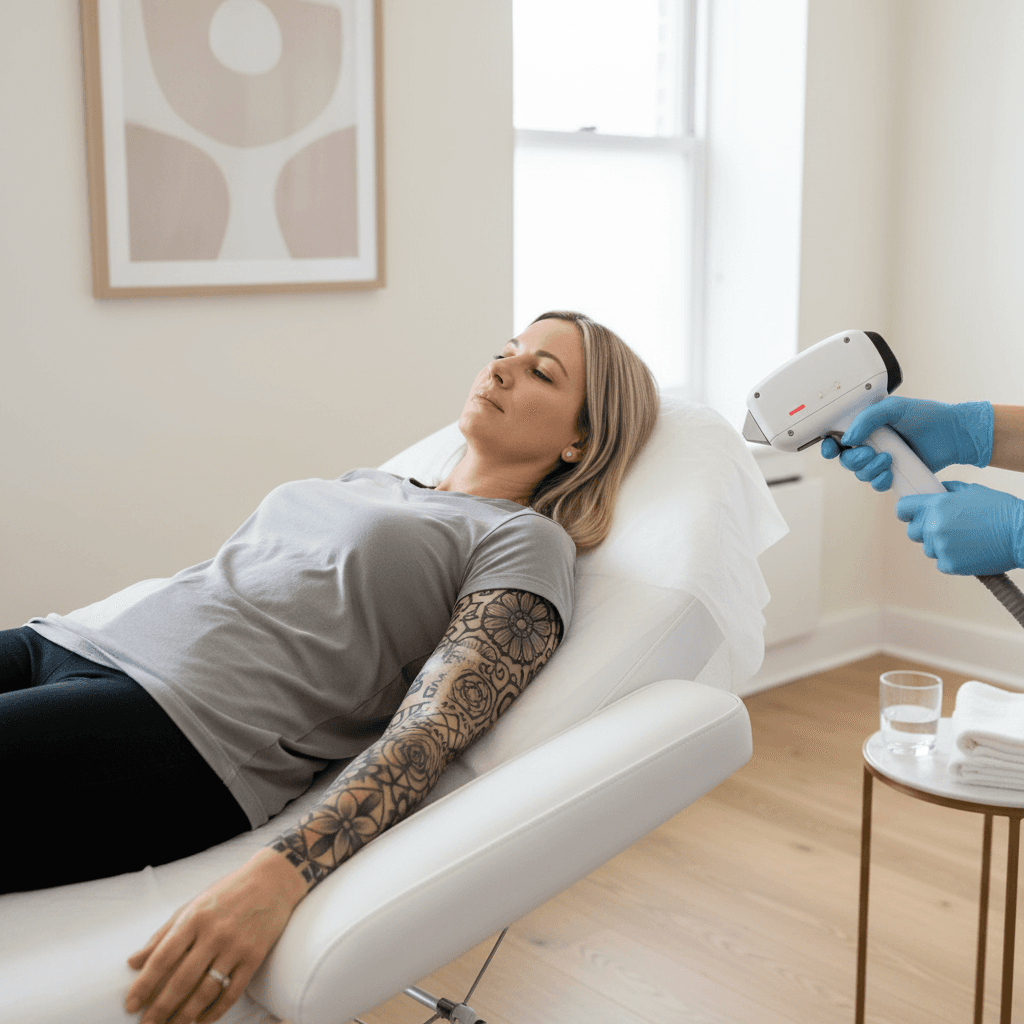
Tattoo removal is the one piece of the tattoo economy almost nobody quotes you honestly before you book. Shops will tell you a session costs "around two hundred" and leave out that you will need eight of them. This guide gives the real range for 2026, what drives the price up or down, and how to decide between full removal and fading for a cover-up.
Per-session pricing in 2026
A single laser tattoo removal session in the United States runs between $75 and $500, with most reputable clinics landing in the $200 to $450 range per visit. Price tracks tattoo size, laser type, and clinic positioning. A coin-sized black tattoo on the forearm at a medspa with a Q-switched Nd:YAG laser typically costs $100 to $200 per session. The same tattoo at a dermatology clinic using a PicoSure or PicoWay laser costs $250 to $450 per session because picosecond lasers shatter ink faster and need fewer total visits. In London expect £150 to £400 per session, in Sydney AUD $200 to $550, in Bangkok ฿3,000 to ฿9,000, and in Berlin €120 to €350.
Many clinics also use minimum charges. A wedding-ring-sized finger tattoo will usually be billed at the clinic's minimum, often $75 to $150, even if the actual ink area is tiny. The minimum exists because the laser tech still has to set up, numb, treat, and document the session regardless of size.
Total cost by tattoo size
This is the number that matters. A single session is meaningless because almost no tattoo clears in one. Plan for 6 to 12 sessions for full removal of a standard amateur or professional black-ink tattoo, spaced 6 to 8 weeks apart.
- Small (under 2 square inches, like a small wrist or ankle piece): $600 to $2,400 total
- Medium (2 to 6 square inches, palm-sized): $1,500 to $4,800 total
- Large (a half-sleeve or full back panel, 30+ square inches): $5,000 to $15,000 total
- Full sleeve removal: $8,000 to $20,000 total over 18 to 36 months
Compare those numbers to the original tattoo cost. A full sleeve typically costs $2,000 to $6,000 to get. Removal often costs three to four times the original tattoo. That asymmetry is the strongest argument for sitting on a design for two weeks before booking.
Why ink color, age, and skin type change the bill
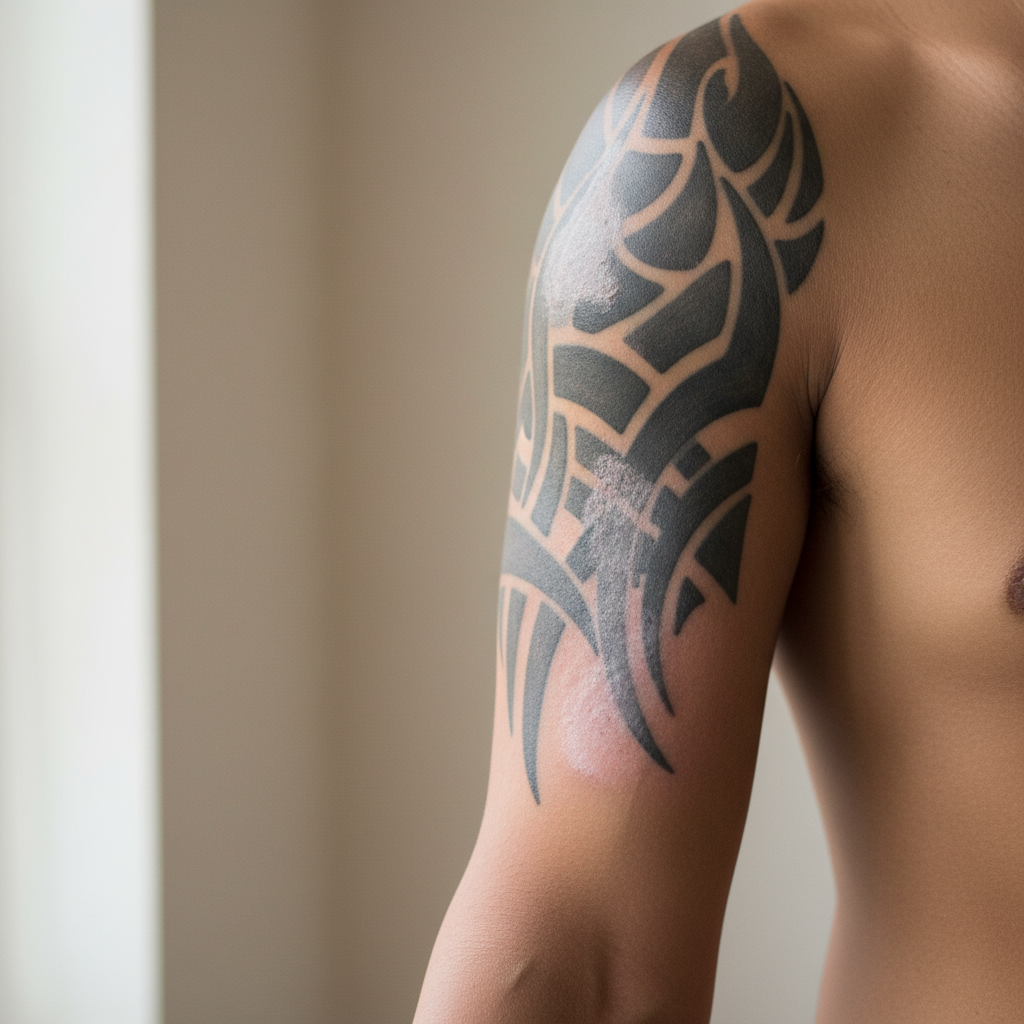
Laser removal works by sending pulses of light that ink particles absorb and shatter. The lymphatic system then clears the fragments over weeks. Different ink colors absorb different wavelengths, so a multicolor tattoo needs multiple laser settings and often a more expensive picosecond machine.
Black ink clears the fastest because it absorbs nearly every wavelength. Red, orange, and yellow respond well but slower. Green, blue, and white pigments are the hardest. White ink can actually darken on the first pass due to titanium dioxide oxidizing, then need extra sessions to lift. Add roughly 30 to 50 percent more sessions for a colored tattoo versus an all-black piece of the same size.
Older tattoos tend to clear faster than fresh ones because the body has already broken down some pigment over time. A 15-year-old amateur tattoo might need 5 sessions where a 1-year-old professional piece needs 10. Darker skin tones (Fitzpatrick IV through VI) require lower laser fluence and longer wavelengths to avoid hypopigmentation, which usually means more sessions at lower energy. A reputable clinic will refuse to over-power the laser on darker skin and will quote you accordingly.
Pico vs Q-switched: paying more to pay less
PicoSure, PicoWay, and Enlighten are picosecond lasers. Q-switched Nd:YAG and ruby lasers are nanosecond lasers. Picosecond pulses are roughly a thousand times shorter, which shatters ink into smaller particles that the body clears faster. In practice that often means 6 to 8 picosecond sessions instead of 10 to 14 nanosecond sessions, with less risk of scarring on stubborn colors.
The per-session cost is higher with pico, but the math often favors pico for medium and large tattoos. Run both quotes side by side. If a Q-switched clinic quotes $200 per session for 12 sessions ($2,400) and a pico clinic quotes $400 per session for 7 sessions ($2,800), the pico path costs only $400 more and saves you 30 weeks of healing time. For a small black wrist tattoo, Q-switched is often the better value.
Fading for a cover-up vs full removal
Most people booking removal consultations do not actually need full removal. They need enough fading so an artist can cover the old piece with new ink. Fading-only typically takes 3 to 5 sessions instead of 8 to 12, cutting cost by half or more.
A solid fading run at $250 per session over 4 sessions is $1,000. That is the gate to a much wider design pool for your cover-up tattoo. Talk to your cover-up artist first. A good artist will tell you exactly how much fading they need based on the original ink density, color, and the design they would put on top. Some artists can cover with no fading at all if the original is light enough.
Fading saves money. Full removal saves regret. Pick before you book the first session, because the clinic will sell you the full course by default.
Hidden costs and what to ask before booking
Beyond the per-session quote, factor in numbing, aftercare, and missed sessions. Some clinics include topical lidocaine in the price, others charge $25 to $75 per visit for stronger compounded numbing. Injectable lidocaine adds $50 to $150 per session and is worth it on ribs, ankles, and hands. Aftercare ointment, sterile dressings, and a sun-blocking patch usually run $20 to $40 per session if the clinic does not include them.
Ask these before paying anything:
- What laser do you use, and is it picosecond or nanosecond
- How many sessions do you estimate for my tattoo specifically, and what is the total estimated cost
- Is numbing included or separate
- What is your policy if I need more sessions than estimated
- Do you offer a package discount for paying upfront
Reputable clinics will quote a range and refuse to promise a fixed session count, because real clearance depends on your immune response. Walk out of anywhere that guarantees full removal in a fixed number of sessions for a flat price, because they are either underselling the laser or overselling your skin.
Frequently asked
How long does each session take? The laser itself takes 5 to 20 minutes depending on tattoo size. Including numbing wait time, intake, and aftercare instructions, plan for 45 to 75 minutes at the clinic per visit. Larger pieces are sometimes split across two appointments in one week.
How painful is laser tattoo removal? Most people rate it more painful than getting the tattoo, often described as hot rubber bands snapping against the skin. Topical numbing and a Zimmer cooling unit help significantly. Bony areas like ribs and hands hurt the most. Forearms and thighs are tolerable.
Can I get a tattoo over an area that has been laser removed? Yes, once the skin has fully healed for at least 6 to 12 months after the final session. Some artists prefer 12 months minimum because residual ink can shift during a new tattoo's healing. A good tattoo healing timeline applies to the cover-up the same as any fresh piece.
Does insurance cover tattoo removal? Almost never. Tattoo removal is classified as cosmetic in nearly every health system. The rare exceptions involve medically necessary cases like reactions to tattoo ink, traumatic tattoos from accidents, or some military and law enforcement employer programs that reimburse removal of visible tattoos.
Will it leave a scar? With a competent operator and proper aftercare, scarring is uncommon. The bigger risks are hypopigmentation on darker skin and hyperpigmentation on lighter skin, both of which usually resolve over months. Picking at scabs, sun exposure, and over-powered laser settings are the main causes of permanent texture change. Saniderm-style dressings help, and the same saniderm aftercare habits used for fresh tattoos apply after a removal session.
Are at-home removal creams or DIY methods worth trying? No. Removal creams either do nothing or contain acids that burn the top layer of skin without touching the ink in the dermis. Salt and saline injection (so-called saline removal) can lift small amounts of surface ink but carries high scarring risk and is not regulated the way laser clinics are. Spend the money on a proper consultation instead.