cost guides
Shoulder Tattoo Cost: Pricing by Size, Style, and Detail
Shoulder tattoo cost ranges from $80 for a small minimalist piece to $2,500 for a full cap with dense color. Here is the real breakdown.
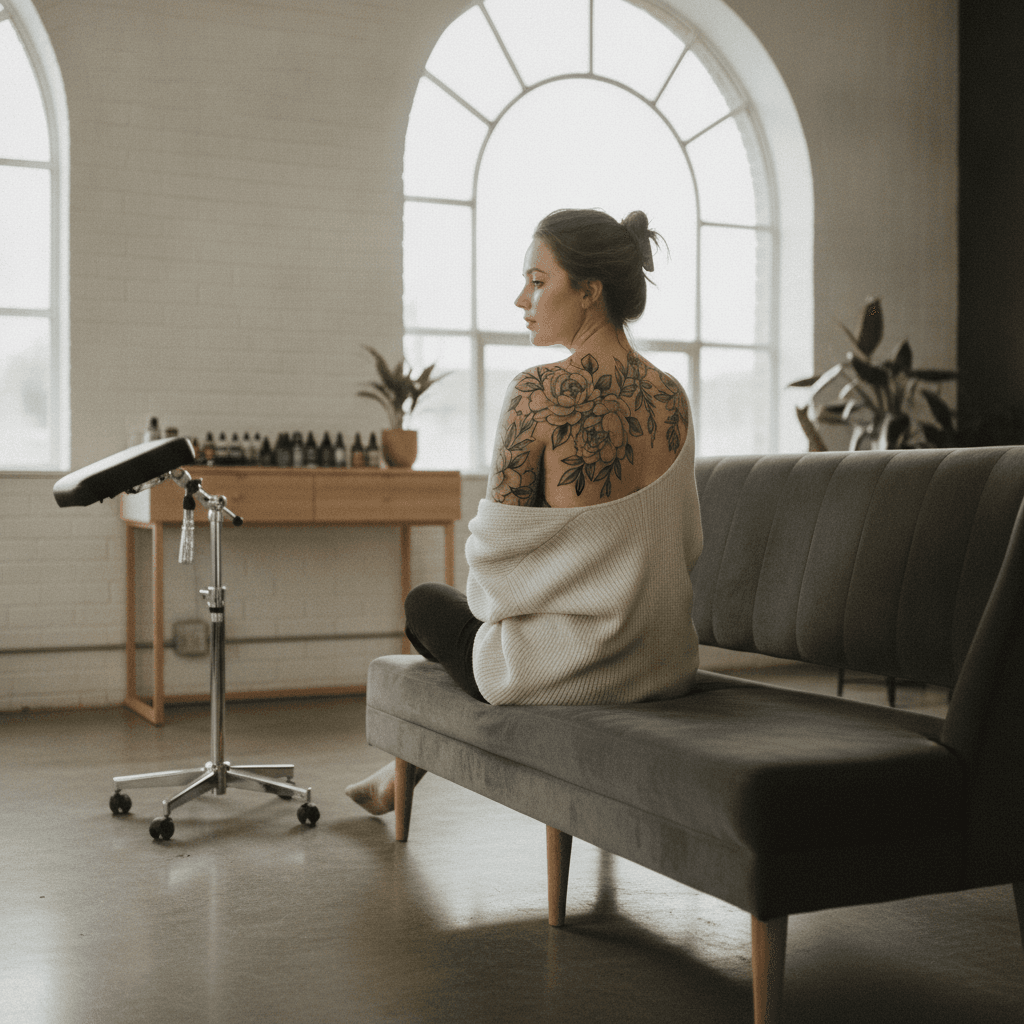
The shoulder is one of the most flexible canvas options on the body, which is why pricing across this placement varies more than almost any other spot. A small fine-line crescent on the front cap can be done for $80 to $150 at most shops, while a fully colored Japanese piece wrapping the deltoid and shoulder blade can run $2,000 to $3,500 across multiple sessions. The number depends on three things: the square inches of skin you are covering, the level of detail packed into that area, and the hourly tier of the artist holding the machine. This guide breaks each of those down with real ranges so you can walk into a consultation with a budget that matches what you actually want.
What you pay for shoulder tattoos by size
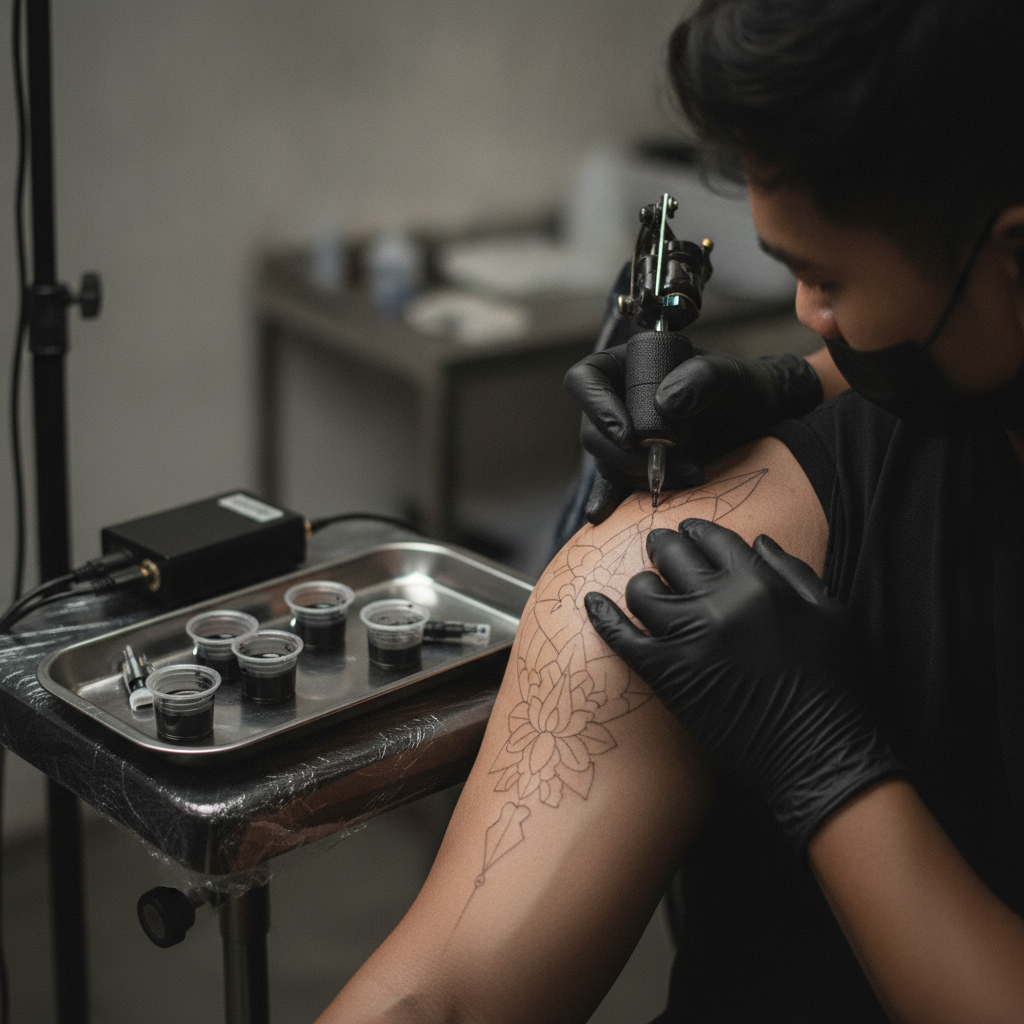
Most shops price shoulder work either by the piece for anything under three hours, or by the hour once the design crosses into half-day or full-day territory. A small minimalist tattoo sitting on the front of the deltoid, think a 2-inch symbol or short script, typically lands at the shop minimum, which is $80 to $150 in most US cities and $200 to $250 in major metros like Los Angeles, New York, or Brooklyn. Mid-size pieces in the 3 to 5 inch range, such as a single botanical sprig or a small geometric mandala, fall between $250 and $600 depending on linework density.
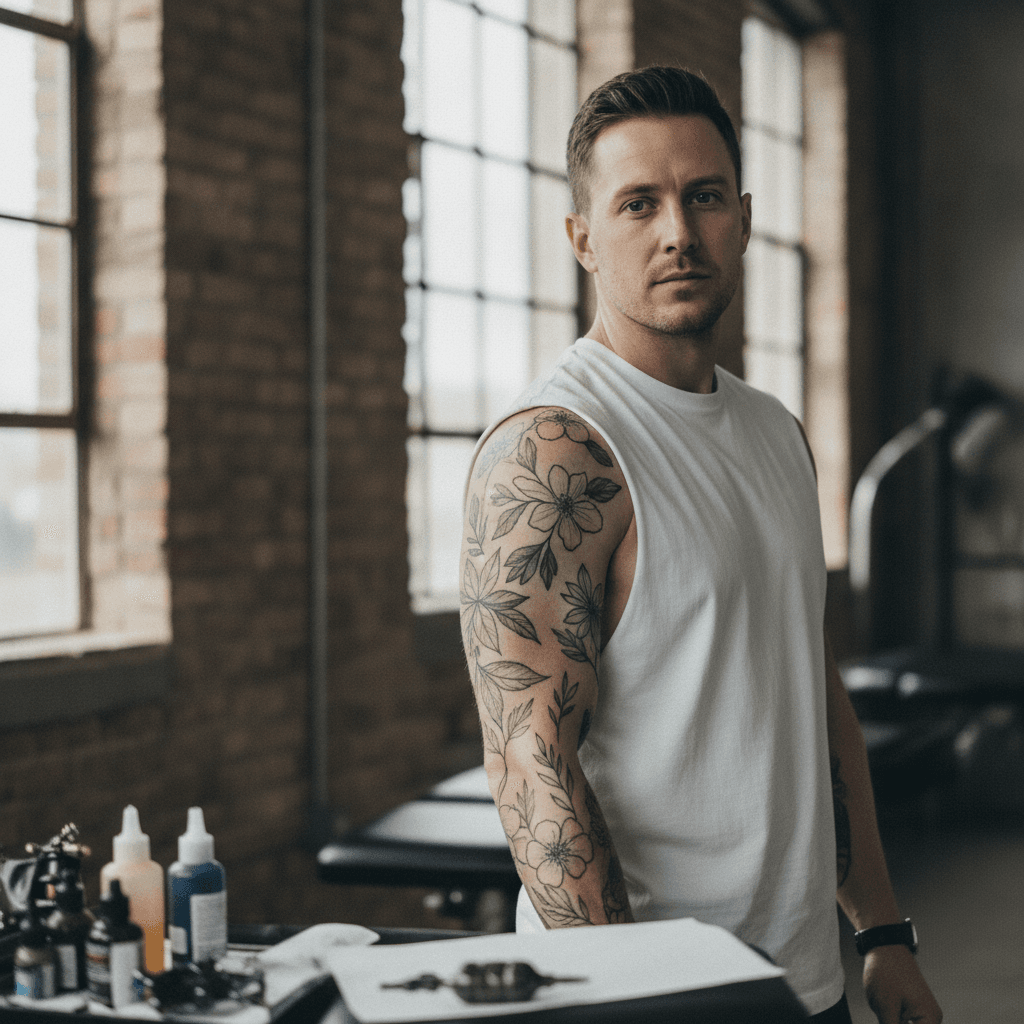
Once you move into a full shoulder cap, meaning the top of the deltoid wrapped down to the bicep line, you are looking at a 4 to 8 hour project. At a $150 per hour artist that is $600 to $1,200. At a $250 per hour artist that is $1,000 to $2,000. Shoulder blade work spanning the upper back behind the cap pushes the count higher because the canvas is larger and the curve forces the artist to reposition you constantly. If your design ties the cap and blade together as one composition, plan for two to four sessions and budget $1,500 to $3,500 total. For context on how the same logic applies to other large placements, our back piece tattoo cost guide covers the multi-session math in detail.
How style changes the price
Style is the variable most first-timers underestimate. Two tattoos the same size on the same shoulder can differ by $800 because of what is inside the outline. Fine-line and single-needle work is fast on linework but slow on shading, so a small fine-line piece is cheap and a large fine-line piece gets expensive fast because the artist cannot rush detail without losing crispness. Expect $150 to $250 per hour at fine-line specialty studios.
Traditional American and neo-traditional shoulder caps run efficient because the bold outlines and limited palette mean less time per square inch. A traditional eagle or rose cap typically costs $700 to $1,400 in a single sitting. Realism and color portrait work sit at the top of the price ladder. The packing time for smooth skin tones, the layered shading passes, and the touch-up sessions most realism pieces require can push a shoulder portrait past $2,000 even at a mid-tier hourly rate. Japanese irezumi style on the shoulder cap and blade is dense by definition, with background waves, smoke, or wind bars filling every gap, and that density translates directly into hours. A traditional Japanese half-sleeve that starts at the shoulder runs $1,800 to $3,500 typically.
Geometric and dotwork pieces sit in the middle. Linework is fast, but dot shading takes longer than people expect because each dot is a separate hand movement. A geometric shoulder cap usually runs $500 to $1,200. If you are still deciding which style fits your idea, the fine-line tattoos style guide and the japanese irezumi tattoos style guide give a feel for what each tradition actually delivers on skin.
Artist tier and city pricing
The same shoulder tattoo will cost wildly different amounts depending on who you sit with. Apprentices and second-year artists charge $80 to $120 per hour in most cities, and their pricing reflects that they are still building portfolios. Mid-career resident artists at established shops sit at $150 to $200 per hour. Senior artists with five-plus years of waiting list, named-portfolio artists, and guest-spot international artists charge $250 to $500 per hour, with some studio owners in New York, Los Angeles, and Tokyo well above that.
Geography stacks on top of that. Midwest and southern US shops average $120 to $180 per hour. West Coast and Northeast metros average $180 to $300 per hour. Major Asian tattoo hubs like Bangkok and Bali run $80 to $200 per hour at high-quality studios, which is why so many people fly into Southeast Asia for larger pieces. Our prices and getting tattoo Bali breakdown gets specific on what to expect there if you are weighing a travel tattoo.
Hidden costs people forget to budget
The hourly rate is not the whole bill. Most reputable shops require a deposit between $100 and $300 to lock in the booking, and that deposit comes off the final price only if you show up on time and do not reschedule late. Tipping is standard at 15 to 25 percent of the total, which on a $1,500 shoulder cap is another $225 to $375. Touch-up sessions are usually free within the first six months at the original shop, but a touch-up after that or at a different shop runs $80 to $200.
Aftercare supplies add another $30 to $80 across the healing period, including Saniderm or comparable second-skin, a fragrance-free moisturizer, and SPF 50 for the long-term sun protection that keeps shoulder tattoos sharp. The shoulder gets more sun exposure than people realize, especially for anyone who lives in a tank-top climate or swims regularly. For the full healing checklist, the tattoo healing timeline day by day walks through what to expect across the first month.
Sample total budgets
- Small fine-line shoulder symbol (1 to 2 hours): $150 to $400 plus $30 to $75 tip
- Medium black-and-grey cap piece (3 to 5 hours): $500 to $1,200 plus $100 to $250 tip
- Full color shoulder cap (1 long session or 2 short ones): $1,000 to $2,200 plus $200 to $500 tip
- Shoulder cap into half-sleeve (3 to 5 sessions): $2,500 to $5,000 total plus tips per session
- Japanese irezumi shoulder and blade combo (4 to 6 sessions): $3,500 to $7,000 total
These ranges assume a mid-tier US shop. Drop them 30 to 40 percent for Southeast Asia. Add 30 to 50 percent for top-tier specialty artists in flagship metros.
Frequently asked
Is the shoulder a cheaper placement than a sleeve? A single shoulder cap on its own is cheaper than a full sleeve because it covers less skin and fits in fewer sessions. A shoulder cap that ties into a half-sleeve becomes part of the sleeve budget once you commit, so the cap by itself is the cheap entry point and the extension is what stacks the bill.
Do shoulder tattoos hurt enough to need numbing cream? The front cap of the deltoid is one of the easier placements pain-wise, similar to a forearm. The shoulder blade is harder because the skin is thinner over bone. Most clients sit through a 3 to 4 hour cap session without numbing cream, but a long blade session is a reasonable case for one.
How long does a full shoulder cap take to design? Custom design time runs 1 to 3 hours for the artist and is usually folded into the deposit or first-session cost at full-service shops. Some specialty artists charge a separate design fee of $100 to $300 if the concept requires multiple reference rounds.
Can I get a shoulder tattoo done in one session? Up to a medium-sized cap, yes. Anything that wraps onto the blade or extends below the bicep line is almost always a two or three session project because of skin trauma limits and your stamina in the chair.
What is the cheapest legitimate price I should consider? Below $80 per hour, you are usually getting an apprentice or a shop cutting corners on supplies. The risk to your skin and to the line quality is not worth the savings. Shop minimums under $80 are also a red flag for hygiene standards.
Will the price change if I bring my own design? Bringing a flash sheet design or a fully drawn reference can shave the design fee but not the tattoo time. Most artists still charge their full hourly rate because the skill and machine time on skin is what you are paying for, not the drawing.