cost guides
Pet Portrait Tattoo Cost: What You Pay in 2026
Pet portrait tattoos run $400 to $2,500 depending on size, style, and artist tier. Here is what actually drives the price and where you can safely trim it.
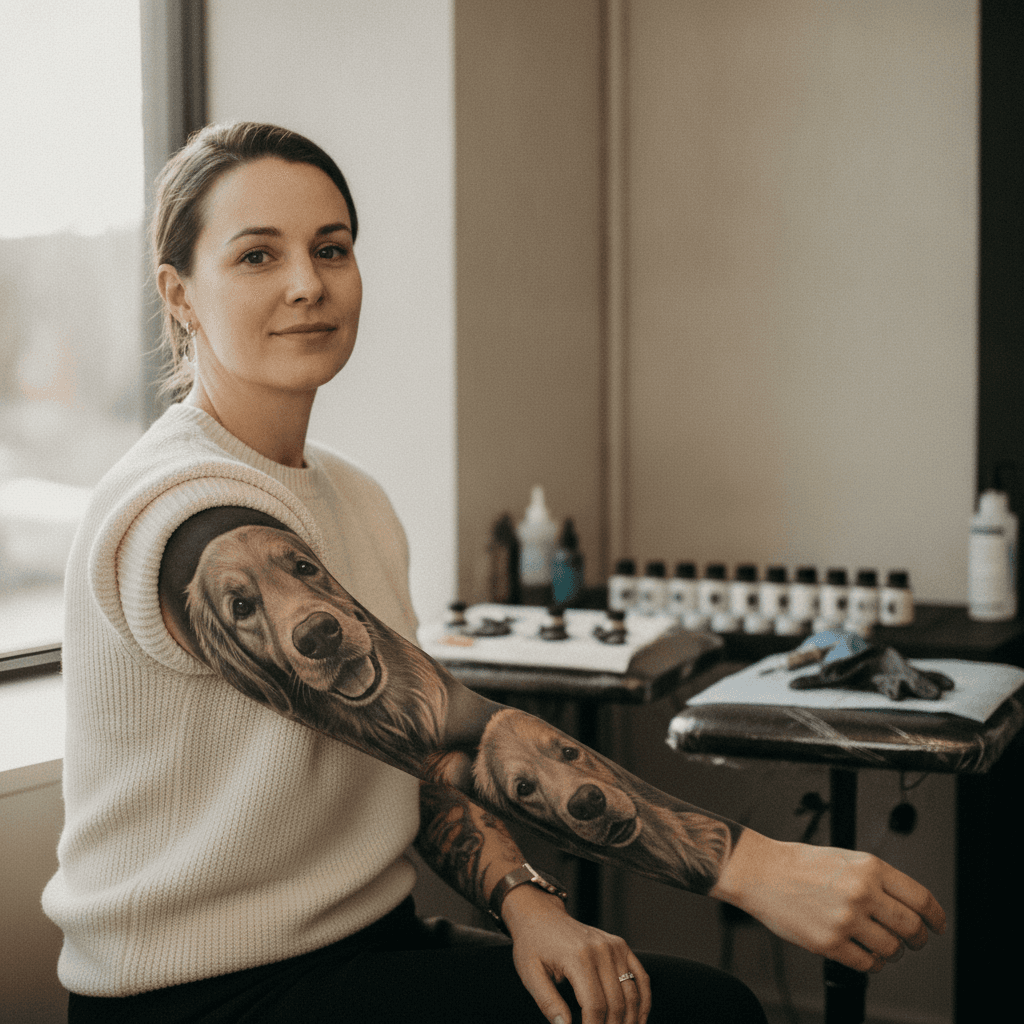
Pet portrait tattoos sit in an odd corner of the pricing world. They look like a small piece, most run palm-sized on a forearm or calf, but they price like a full realism sitting because the reference has to be recognizable to one specific person. A generic wolf can be interpreted. Your dead labrador cannot. That specificity is what you are paying for, and it is why quotes for the same six-inch piece can swing from $400 to $2,500 depending on who is holding the machine.
What a pet portrait actually costs in 2026
Expect $150 to $300 per hour for a competent realism or black-and-grey artist in most US metros, and $400 to $600 per hour for a name artist with a two-year waitlist. A palm-sized single-pet portrait, roughly three to four inches, usually takes three to five hours in one sitting. That puts the realistic all-in range at:
- Small black-and-grey portrait (3 to 4 inches): $450 to $1,200
- Medium color realism portrait (4 to 6 inches): $900 to $2,200
- Large or multi-pet piece (6 inches plus): $1,800 to $4,500 across two sittings
- Micro-realism pet portrait (under 3 inches): $500 to $1,400 — pricier per square inch because the detail work is slower
Flat-rate quotes are common for portraits because the artist can scope the reference before you sit down. If you get an hourly quote instead, ask for a not-to-exceed cap. A good artist will give you one. For the general shape of hourly versus flat-rate pricing on any custom piece, our breakdown of hourly vs. flat-rate tattoo pricing covers what to expect from each.
Why pet portraits cost more than a same-sized generic realism piece
A tiger head on your calf can look like a tiger. A tiger head on your calf that is supposed to be your rescue tiger has to look like that tiger. That is a different job. The artist spends an hour or two before you even sit down cleaning up your reference photos, adjusting contrast, sometimes compositing two shots to get a usable angle. That prep time is baked into your quote whether the artist itemizes it or not.
The second cost driver is fur. Fur is not skin. It sits in layers, catches light differently across breeds, and reads wrong if the needle depth or shading direction is off by a hair. Long-haired breeds like retrievers and Persians take longer than short-haired breeds like beagles or Siamese cats because the artist is packing more distinct strokes into the same square inch. Expect 20 to 30 percent more time for a fluffy dog than a smooth one.
Eyes are the third. A pet portrait lives or dies on the eyes. Artists who specialize in this work will often spend more time on the two-inch eye area than the entire rest of the portrait combined, and they charge accordingly. If a quote seems low and the artist's portfolio does not have a single portrait where the eyes actually focus on you, that is your warning.
Color vs. black-and-grey: the pricing gap
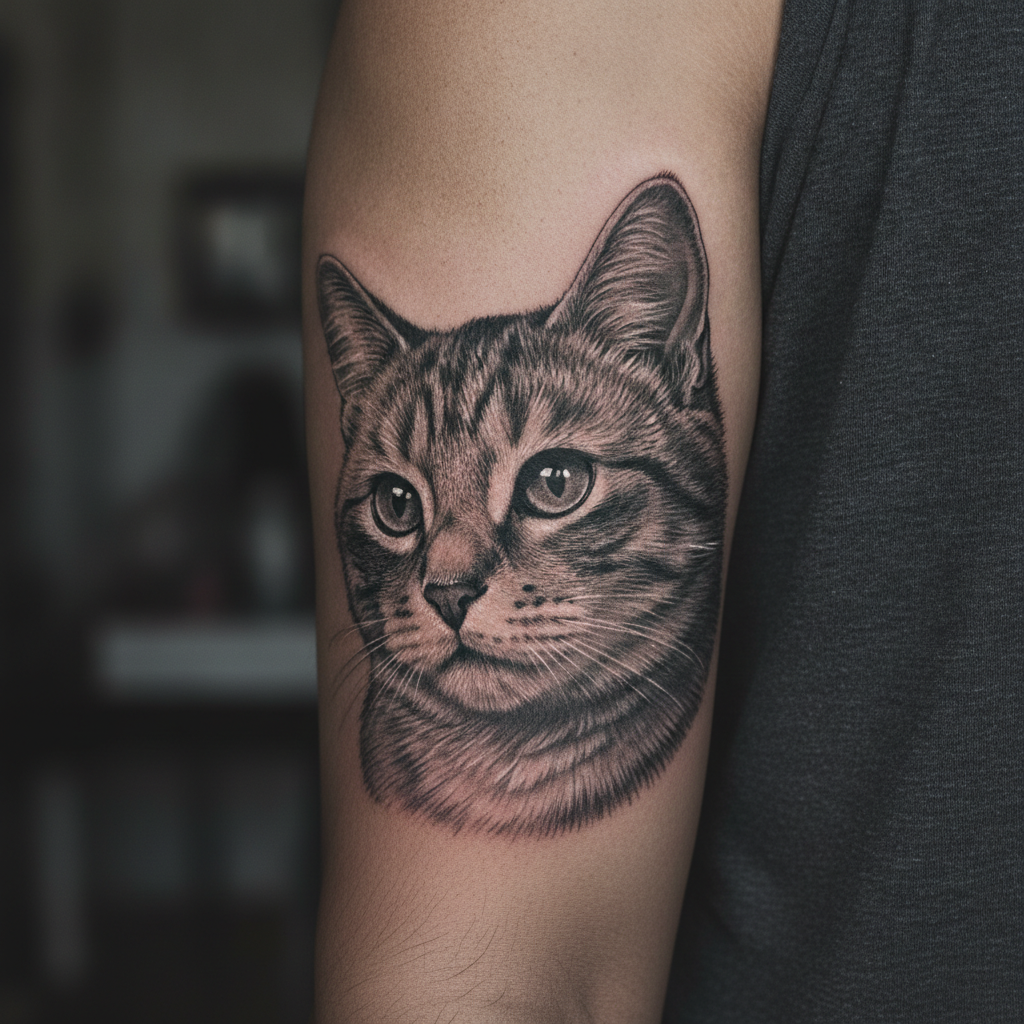
Black-and-grey pet portraits are the standard, and for good reason. They age better on most skin tones, they are faster to execute, and they forgive minor drift over the years. A four-inch black-and-grey golden retriever will run you $600 to $1,100 in most cities.
Color adds 30 to 60 percent to the bill. The artist is doing everything a black-and-grey piece requires, then layering multiple ink passes to get the coat color right, then hitting the highlights and the reflection in the eye. Color also demands more from the healing process, which usually means a touch-up session that most artists include but some do not. Ask before you book. Our color vs. black-and-grey tattoo cost guide breaks the gap down further if you are still on the fence.
If your pet had a distinctive coat color that carries meaning, one calico cat, one merle collie, color is worth the premium. If your pet was black, grey, or brown, save the money and go black-and-grey.
What a good reference photo saves you
Bad references cost real money. If the artist has to work from a blurry phone photo taken from above, they will either charge for the extra prep time or produce a piece that looks like your dog's cousin. A single high-resolution photo, taken at eye level with soft daylight on the face and a clean background, can save you a full hour of quoted time.
The photo checklist worth following:
- Eye-level angle, not shot from above
- Sharp focus on the eyes and nose
- Natural daylight, no direct flash
- Neutral background so the artist can isolate the subject easily
- Both eyes visible and catching light
- Uncropped, so the artist has flexibility on framing
If your pet has already passed and you only have a few phone snapshots, tell the artist upfront. Some will decline the piece rather than work from weak references. Others will charge a reference-prep fee of $75 to $200 to composite something usable. That fee is fair. Refusing to charge it and delivering a soft-looking portrait is not.
Where memorial pet portraits fit
Memorial pieces are the largest slice of the pet portrait market and they follow the same pricing as any other portrait. The name, birth date, and passing date are usually included at no extra charge if they are added during the same session. Adding them later as a touch-up will run you $100 to $250 depending on placement and lettering style.
A common approach: portrait first, name added six to twelve months later once you know you like the piece and how it settled. This also gives you a natural moment to fix any healed spots that need attention. For long-term care on any color-heavy portrait, our tattoo sunscreen and long-term care writeup covers what to actually do past the first month.
How to trim the bill without getting a bad tattoo
You cannot really cut costs on a good pet portrait, but you can spend the money smarter:
- Go smaller before you go cheaper. A stunning three-inch portrait from a $250-per-hour artist beats a bloated six-inch piece from a $120-per-hour artist every time.
- Skip the background. A vignette or soft fade costs less than a rendered scene and keeps focus on the animal.
- Book off-peak. Some studios discount weekday morning slots by 10 to 20 percent because they are hard to fill.
- Bring your own reference done right. A studio-quality photo can shave an hour off the quote.
- One pet per session. Multi-pet compositions are exponentially harder to design and scale in price accordingly. If you want three pets, budget for three separate sittings.
What you should not do is chase the lowest quote. A cheap pet portrait that does not resemble the animal is worse than no tattoo. It is a daily reminder of the wrong dog.
Frequently asked
How long does a pet portrait tattoo take to finish? A single-pet palm-sized portrait usually takes three to five hours in one sitting. Larger or multi-pet pieces run two sittings spaced four to six weeks apart, with the second sitting reserved for detail and touch-up work.
Can any tattoo artist do a pet portrait, or do I need a specialist? You need a realism or black-and-grey specialist. Portraits are the most technically demanding style in tattooing and general artists rarely have the reference work to prove they can hit likeness. Check portfolios for at least five portraits, animal or human, where the subject is clearly recognizable.
Is a touch-up included in the price? For portrait work, most reputable artists include one free touch-up in the first six months as long as you followed aftercare properly. Confirm this in writing before booking. If the artist refuses to include a touch-up on a $1,500 piece, book someone else.
How much do I tip on a pet portrait tattoo? Standard tattoo tipping applies: 15 to 25 percent of the final bill, higher for portraits because the artist put in unpaid design time. Our tattoo artist tipping guide covers the full etiquette.
Should I get my pet's portrait while they are still alive? Plenty of people do, and the finished portraits often turn out better because you can consult on the likeness together. There is no aesthetic or ethical reason to wait. If it is a memorial you want, wait. If it is a celebration, book now.
What placement holds a pet portrait best long term? Inner forearm, outer bicep, and calf are the three placements that age most gracefully for realism work. Skin that gets less friction and less sun holds the fine detail longer. Hands, feet, and ribs are the harshest placements for any portrait and will need touch-ups sooner.