Watercolour tattoos in Bali.
Also called watercolor tattoo · watercolour wash · colour splash tattoo · painterly tattoo
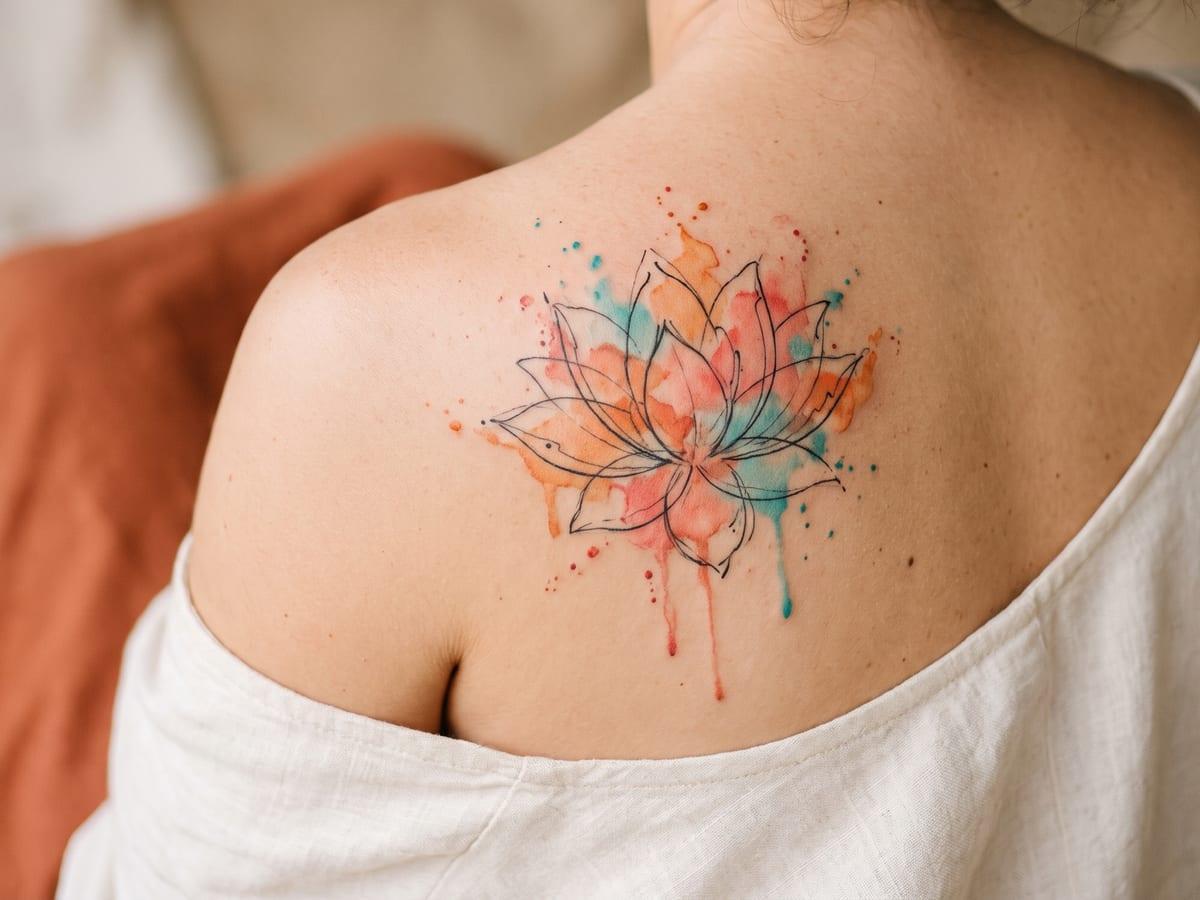
Colour that looks painted on. See 141 real watercolour tattoos from Bali studios, the 35 studios that list the style, and how to keep soft colour bright in strong sun.
- 4.9 average Google rating across 14,000+ reviews
- 35 studios list watercolour
- 141 real pieces from 94 studios
- Studios
- 35
- most in Seminyak
- Library photos
- 141
- from 94 studios
- Google rating
- 4.9★
- across 14,000+ reviews
- Areas
- 9
The short answer
- 01Watercolour tattoos use soft washes, splashes and blends of colour that look painted onto the skin, often with a thin black outline or sketch to hold them.
- 0235 Bali studios list the style, with an average Google rating of 4.9; Seminyak has the most of them.
- 03Our 141 watercolour photos are mostly flowers, animals, plants and ocean life, and sit most often on the forearm, upper arm and shoulder.
- 04Soft colour without black edges can fade and blur sooner, and UV light fades coloured ink, so ask about outlines and plan for sunscreen for life.
- 05Book it near the end of your trip: a new tattoo stays out of the sea, the pool and direct sun until it heals.
At a glance
- The look
- Soft washes and splashes of colour
- Black and grey
- Only 2% of our photos
- Most often on
- The forearm, upper arm and shoulder
- Outlines
- Ask: they help colour hold its shape
- Touch-ups
- Plan for a colour refresh in time
- Sea, pool and sun
- Not until it has healed
From our library of studio photos
Watercolour in real work.
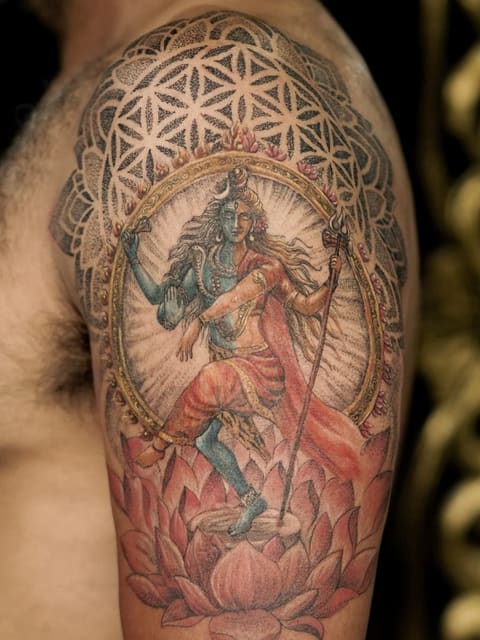
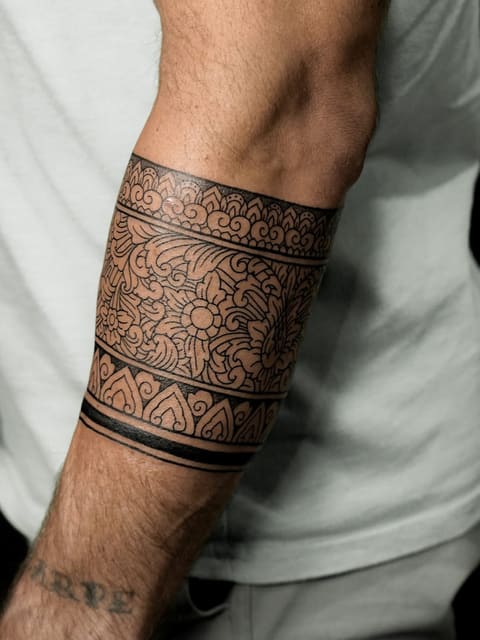
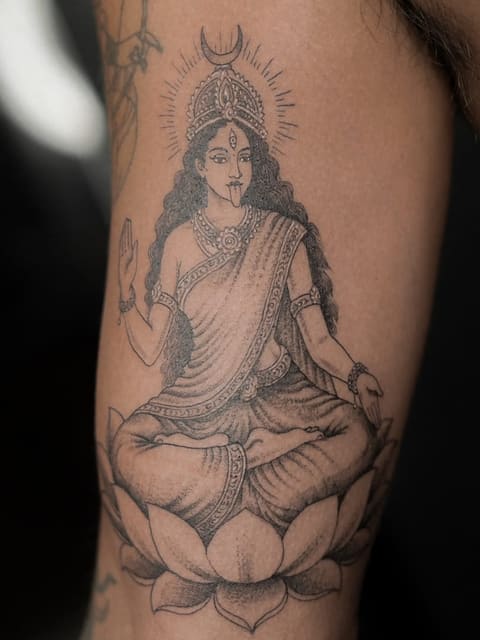
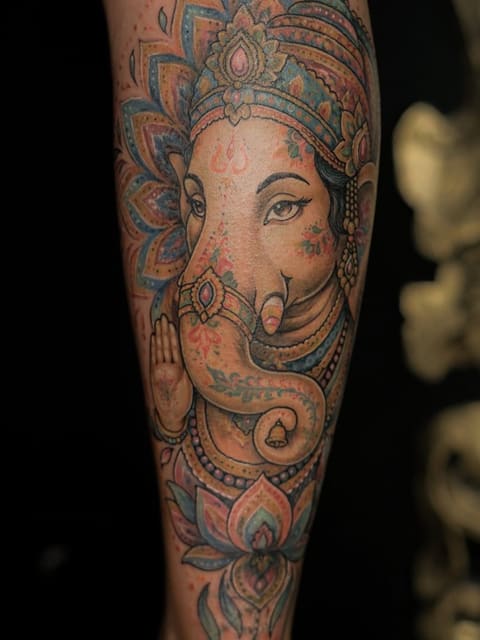
141 tattoos from 94 Bali studios, each from the studio's own posts. Tap one to see it large and the studio that made it, or save it as a reference for your request.
See all 141 in the inspiration library →
- forearm55
- upper arm47
- shoulder28
- back16
- calf12
- thigh9
- chest6
- hip6
Body parts in our 141 photos of the style. A photo can show more than one.
- flower 44
- animal 39
- plant 33
- ocean 26
- abstract 18
- bird 16
- flowers 16
- butterfly 13
- fish 12
- insect 9
Bali prices, dollars first
What watercolour costs in Bali.
Studios quote watercolour by the design: its size, the number of colours and the time blending takes. Very few Bali studios publish prices and none list a watercolour price yet, so the table below is the typical price by size across every style, beside what the watercolour studios themselves publish. Blended colour usually sits toward the top of a range; ask for a quote with your reference.
Every style: too few studios publish watercolour prices yet. Each range is the middle half of the studios' prices; detailed work usually sits toward the top.
What watercolour studios publish
- Hendric Shinigami Tattoo BaliSeminyak
- Minimum charge
- $83IDR 1.5M
- HUSTLE INK TATTOO BALILegian
- Tiny tattoo (up to 5 cm)
- $39IDR 700K
- Tiny tattoo (up to 5 cm) · Cover-ups
- $83IDR 1.5M
- Small tattoo (5 to 10 cm)
- $83IDR 1.5M
- Medium tattoo (10 to 15 cm)
- $165IDR 3M
- Minimum charge
- $66IDR 1.2M
Each studio's own price list, for any style unless it says so. Minimums are the least a studio charges for any tattoo.
What moves the price
- Number of coloursEach colour and every soft blend between them adds time in the chair.
- Outline or noneA black outline or sketch adds a step, and helps the colour hold its shape.
- Hours, not inchesA small piece with many blends can take longer than a bigger simple one.
- A custom designWatercolour is usually drawn for you, from your reference, which takes design time.
- Refresh laterAsk whether a touch-up is included once it has healed.
- The artistGood watercolour is a specialist skill. Healed colour in the portfolio is what you pay for.
Dollar amounts are approximate, at Rp18,130 = $1 (GOV.UK consular rate for November 2026).
Ranked by reviews
35 studios that do watercolour.
Verified partners first, then by Google reviews. Open a studio for its photos, prices and reviews, or narrow by area.
Showing 20 of 35 studios

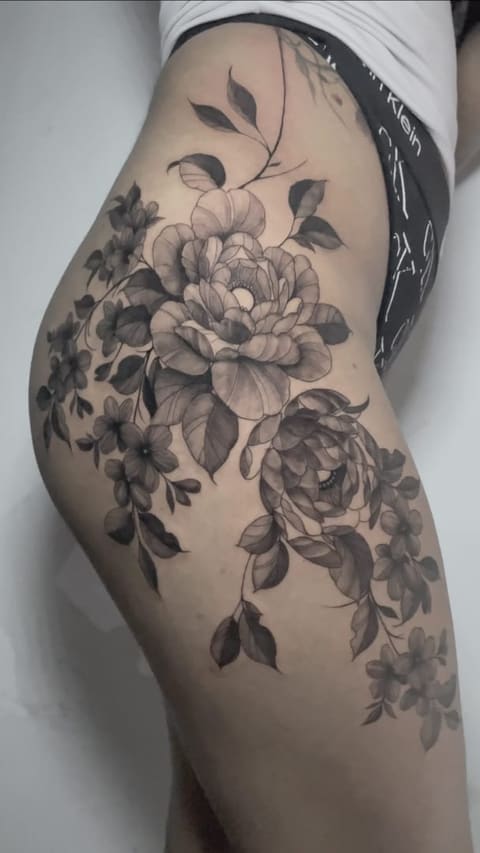
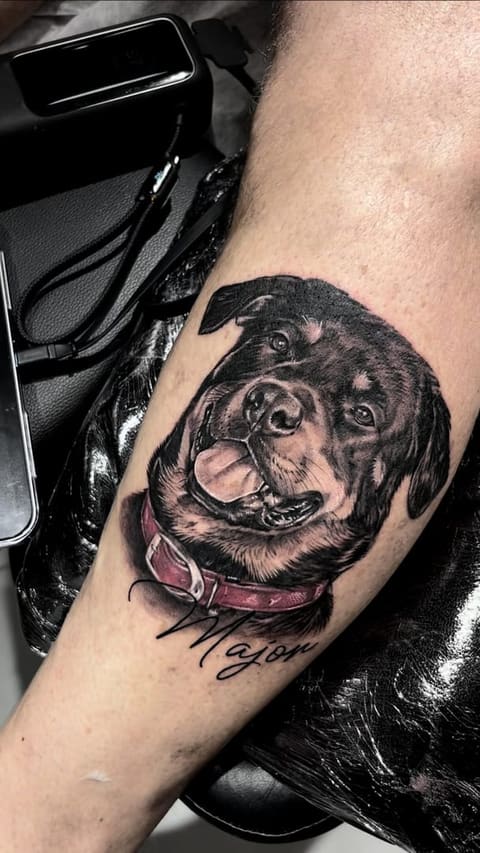
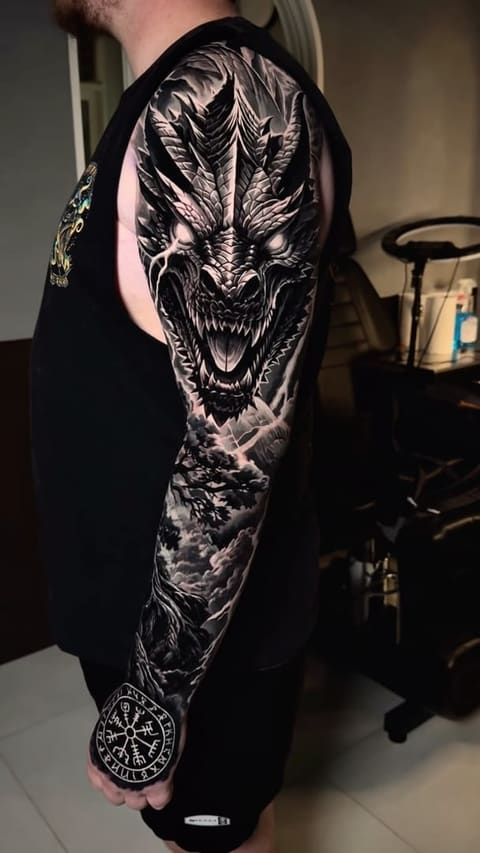
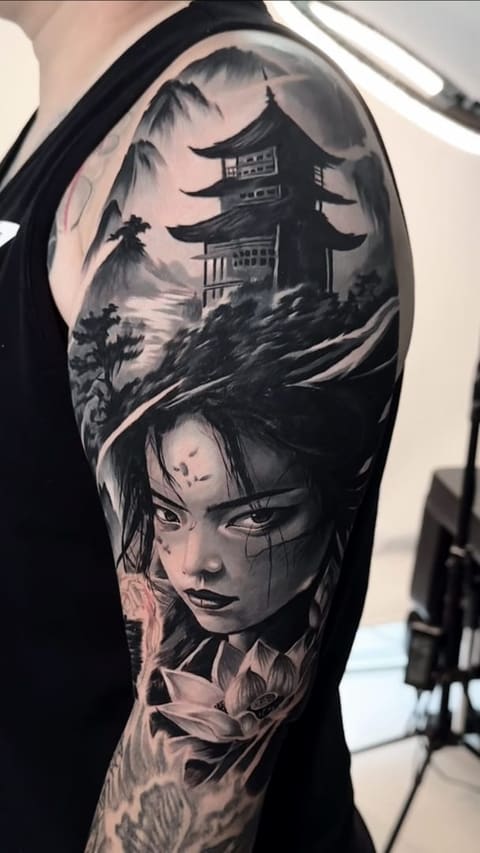
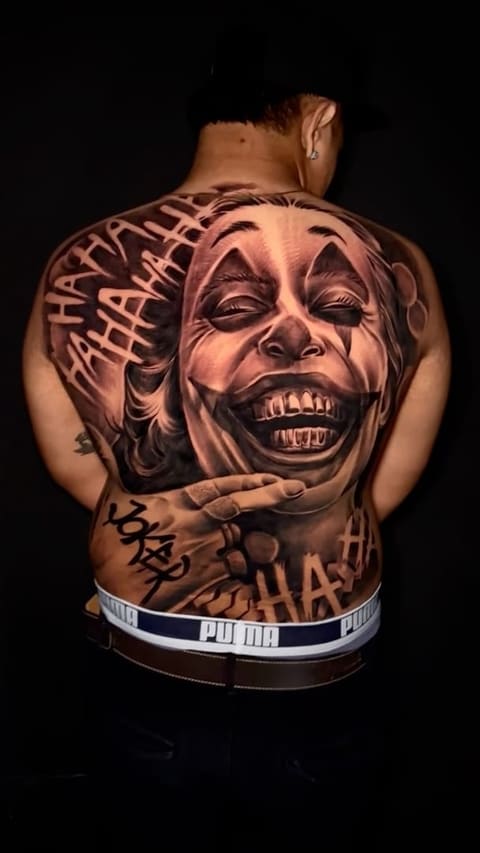
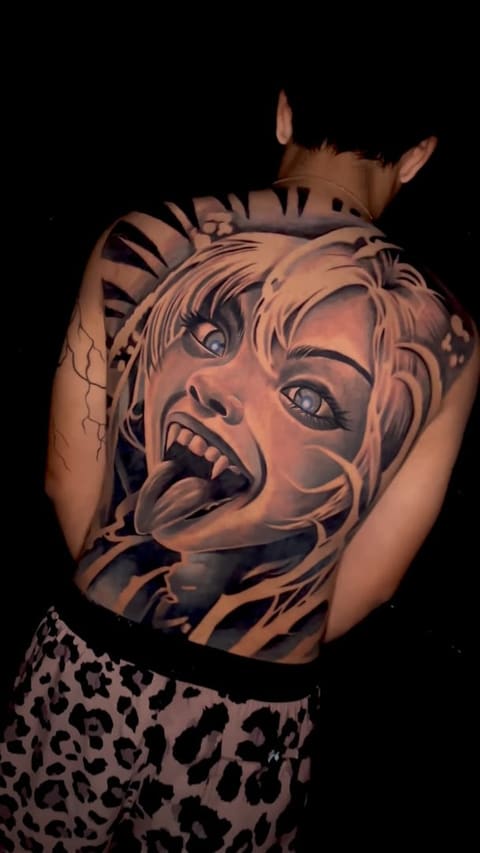
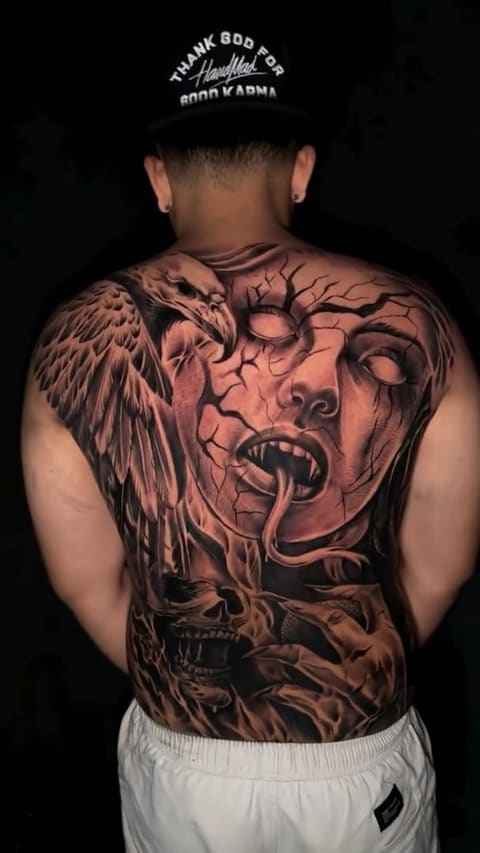
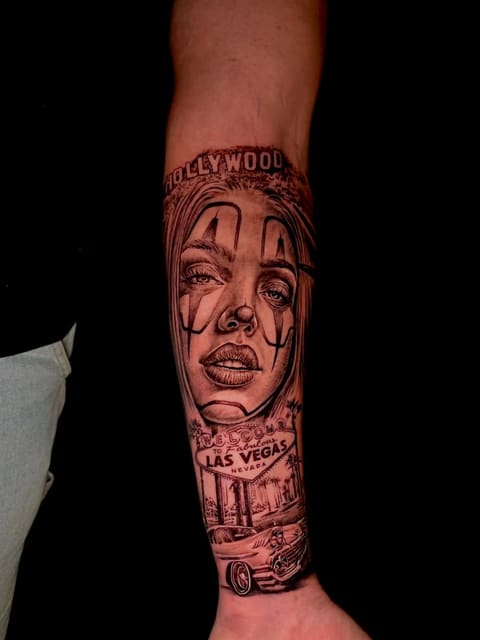
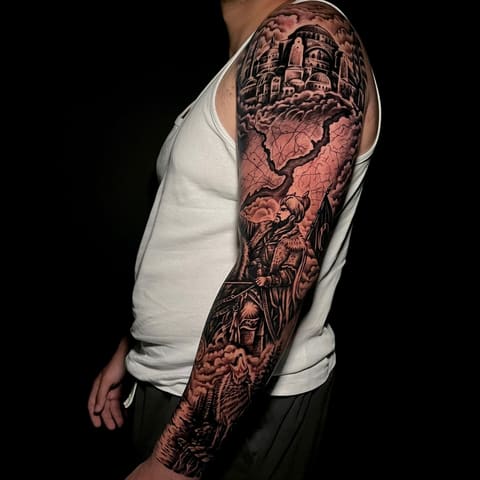
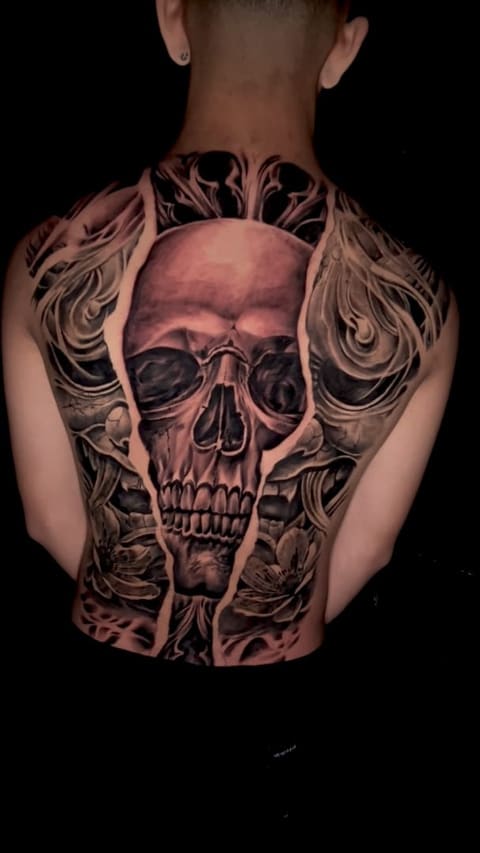
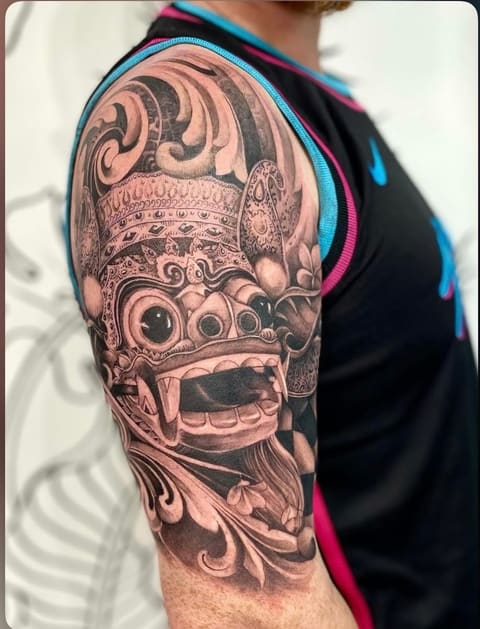
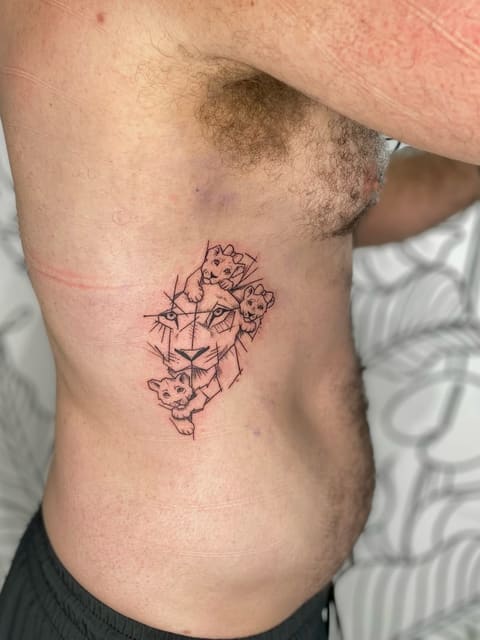
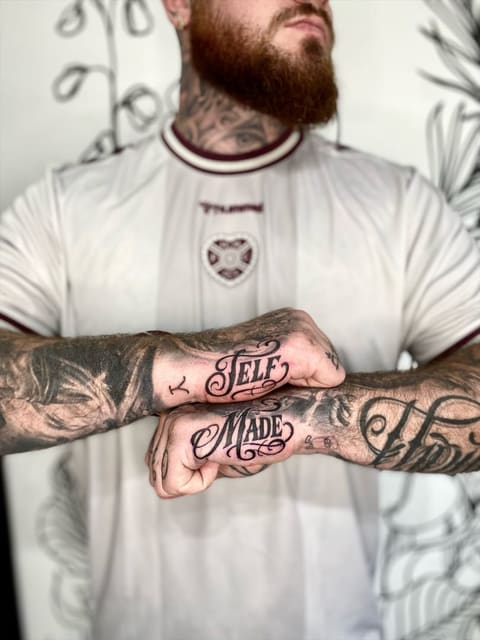
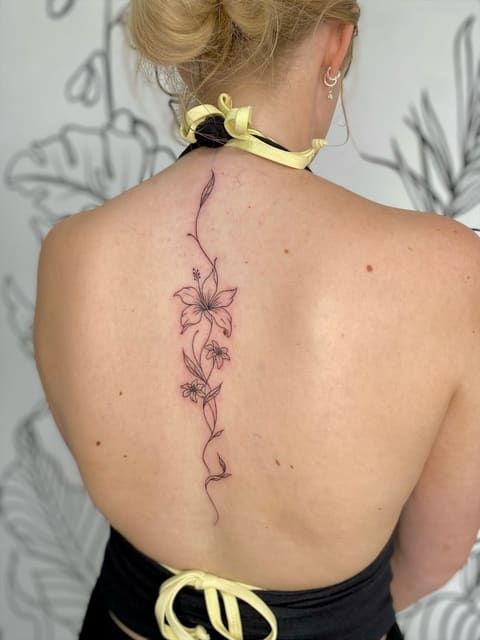
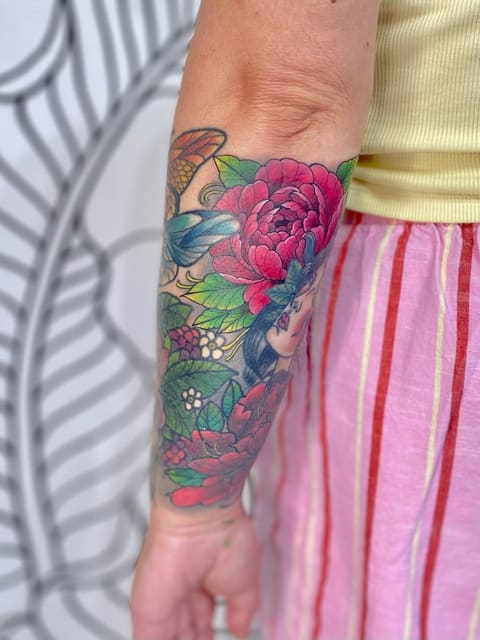
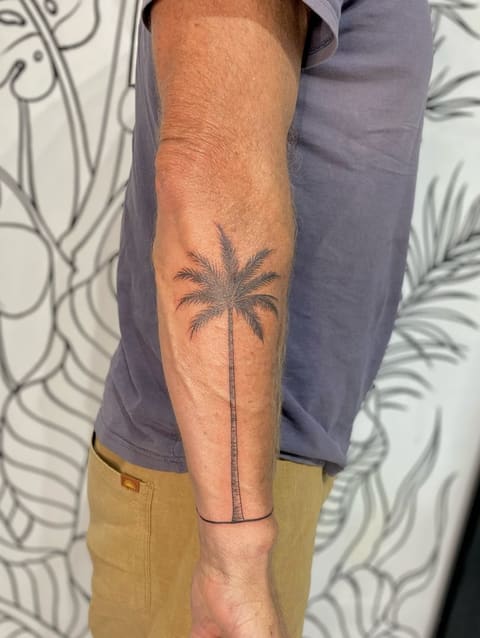
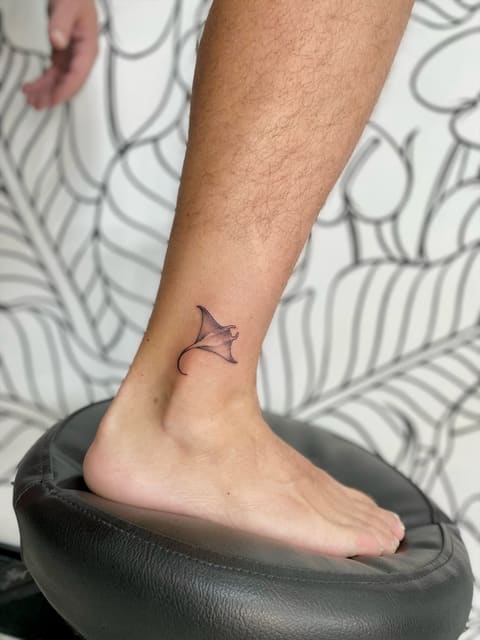
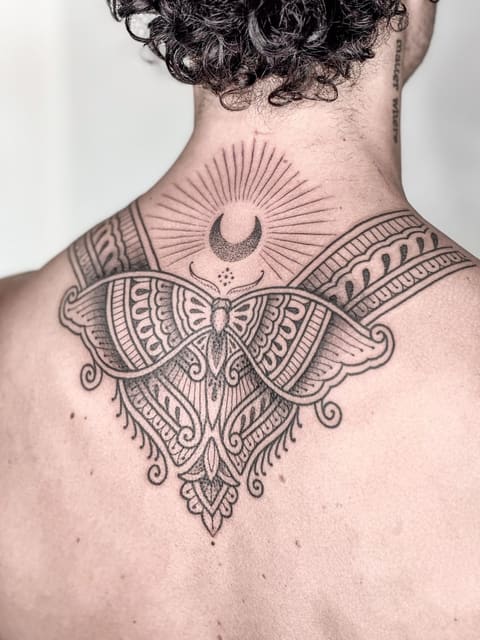
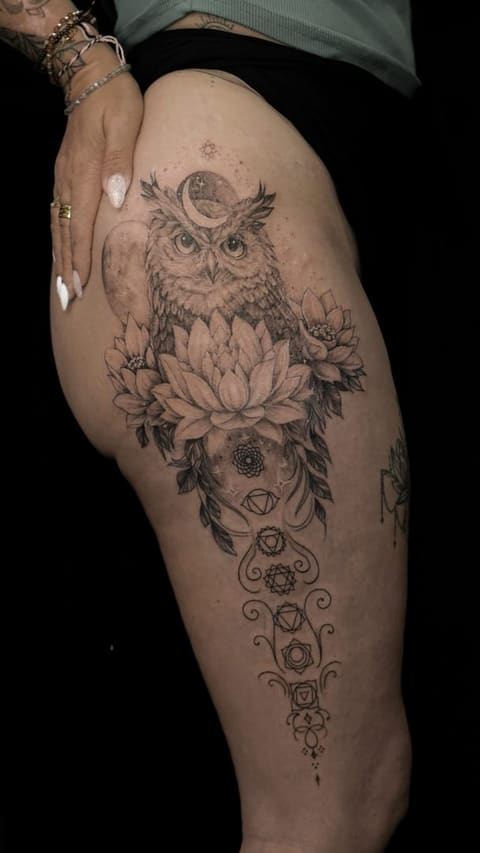
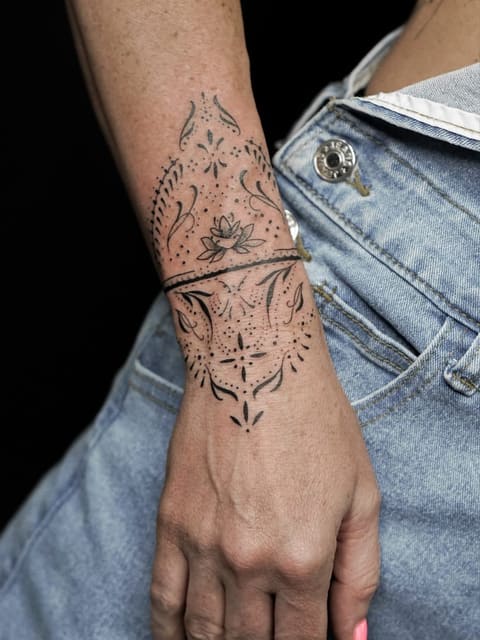
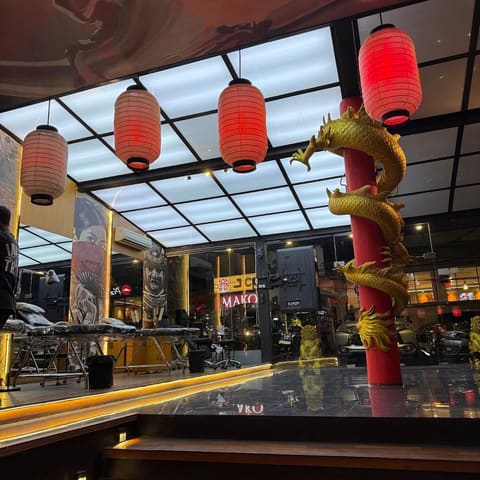
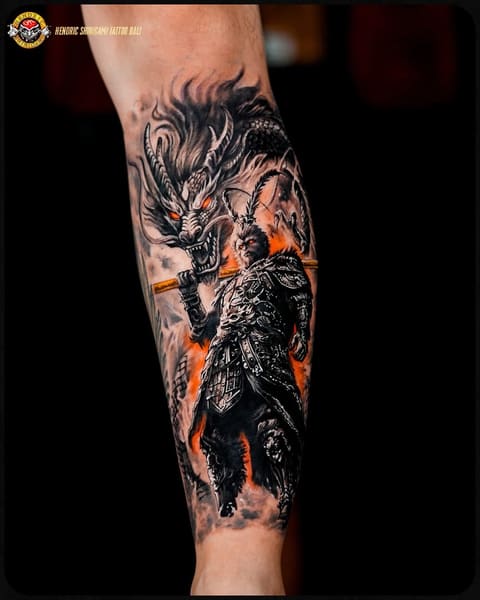
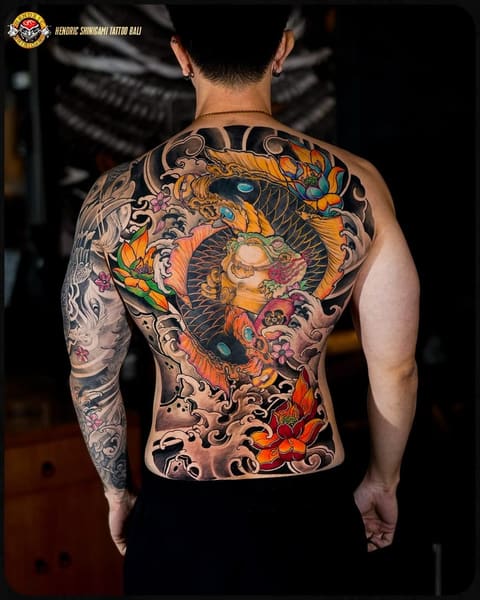
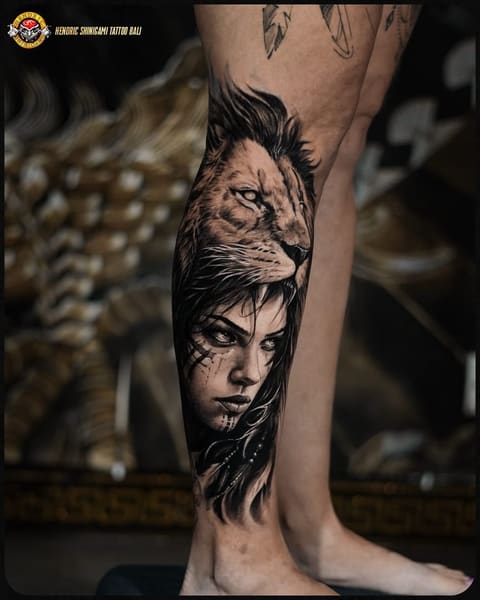
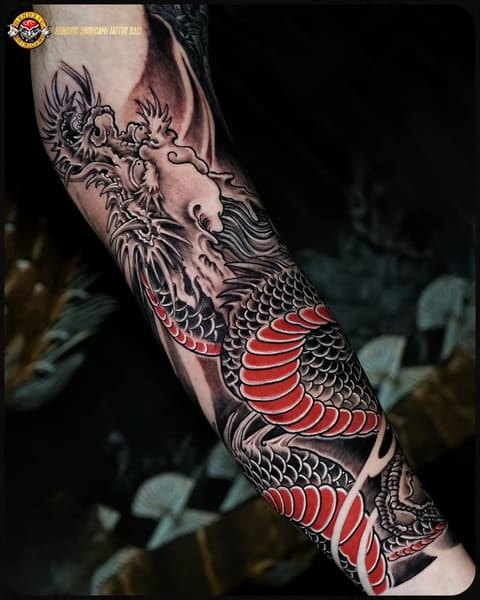
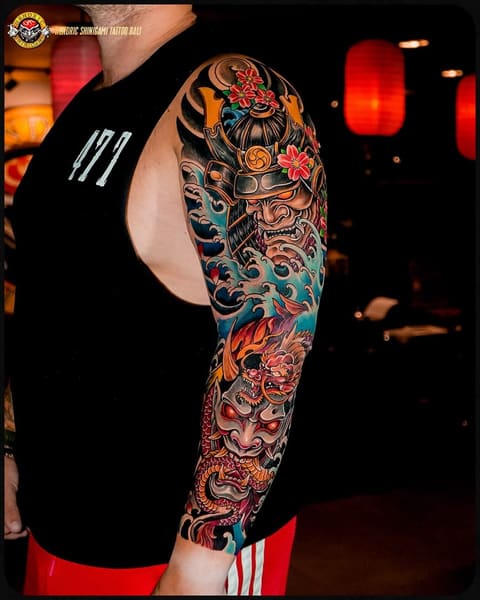
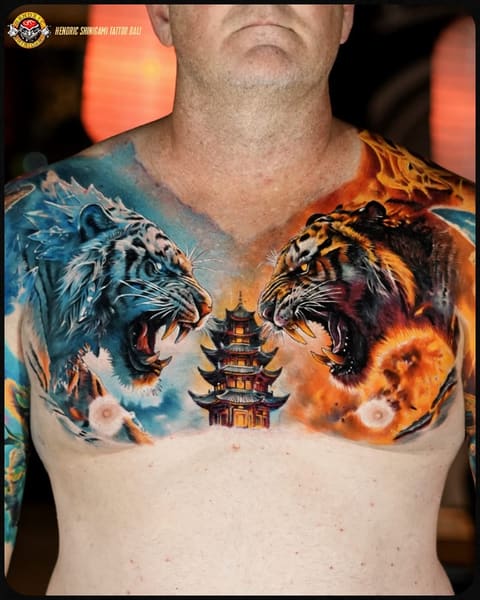
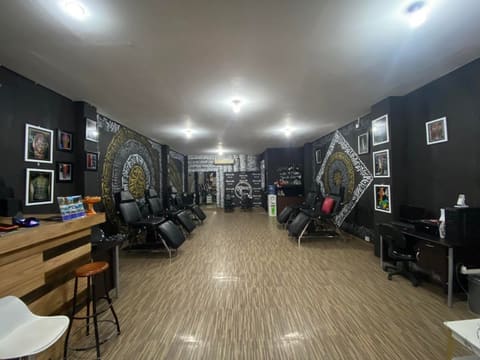
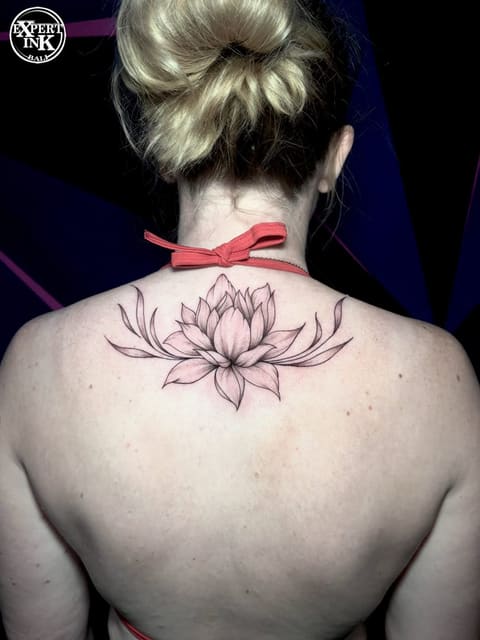
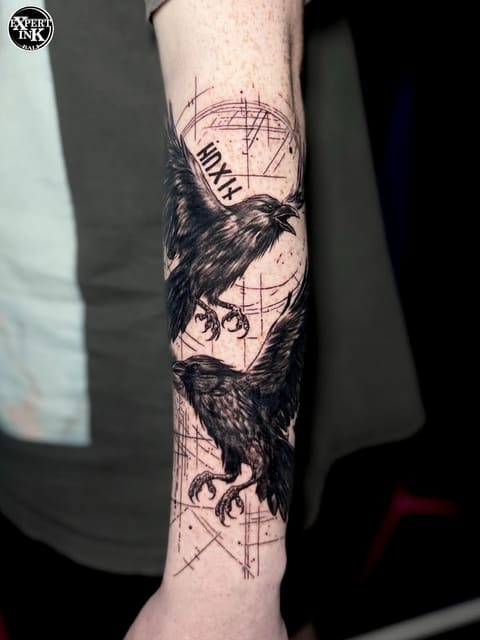
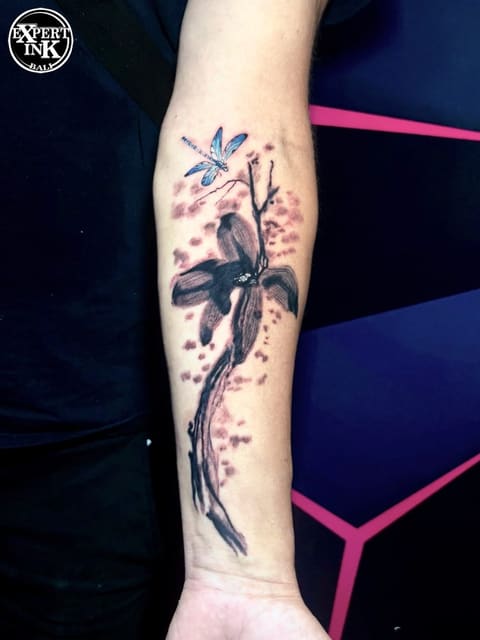
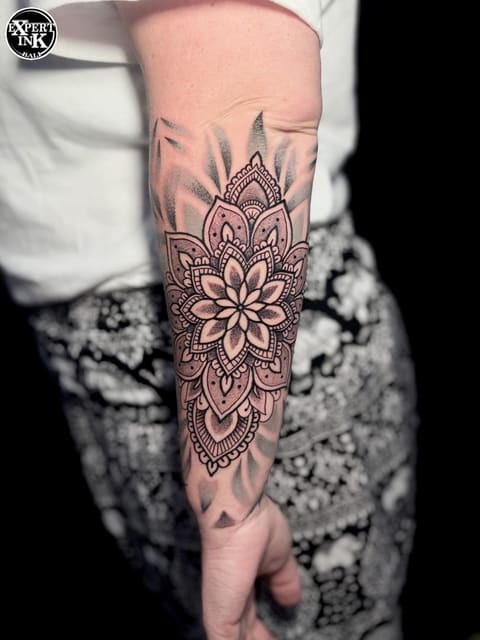
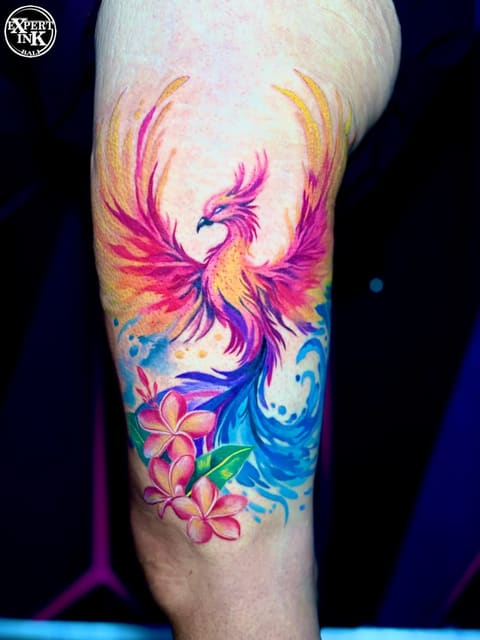
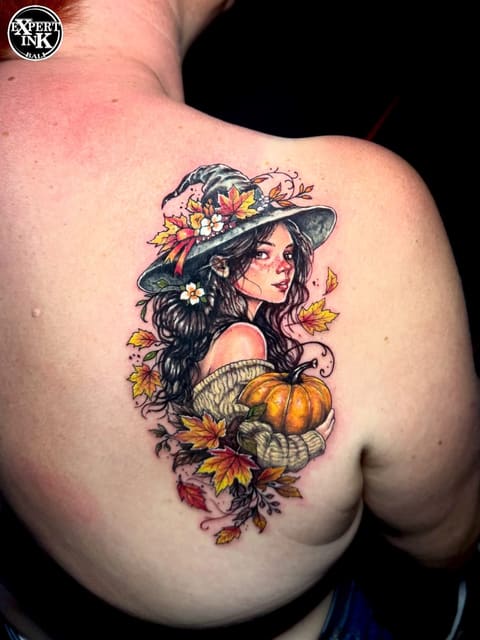
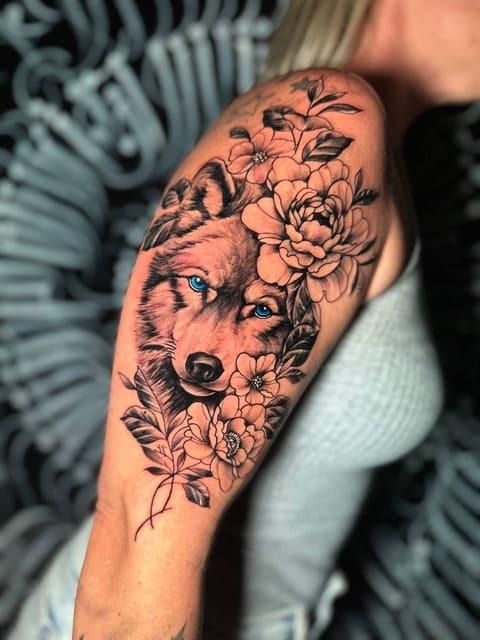
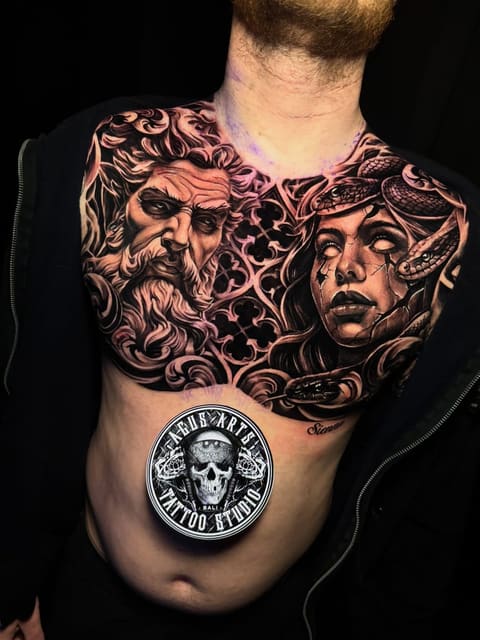
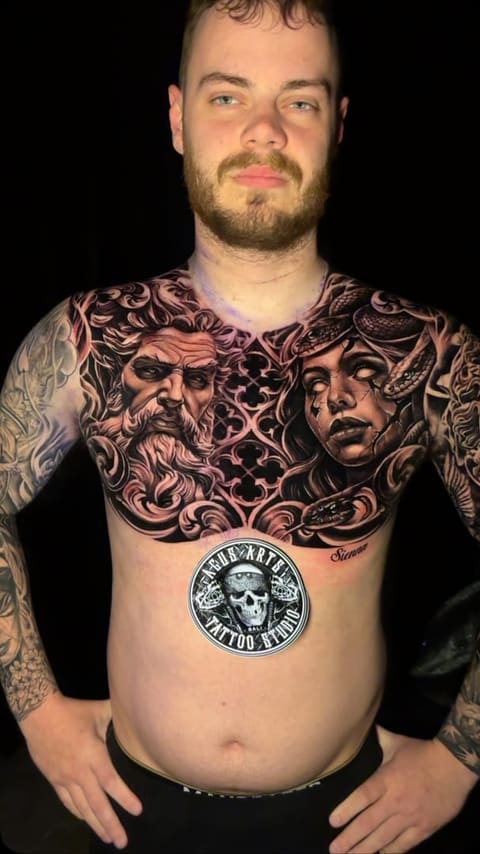
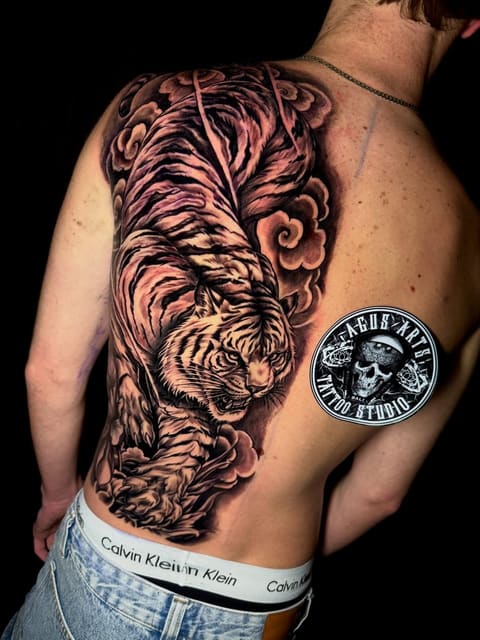
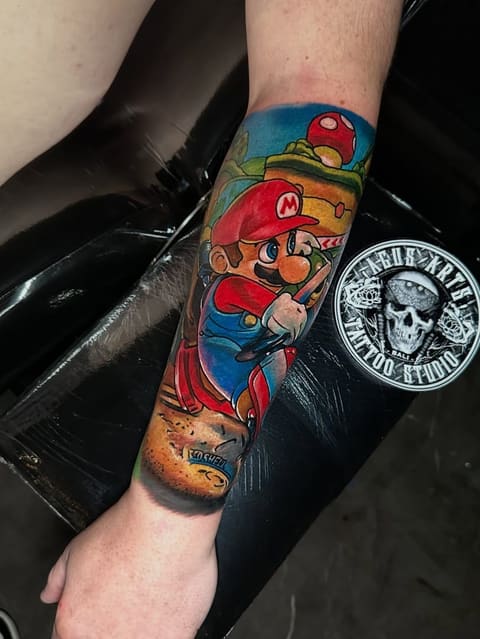
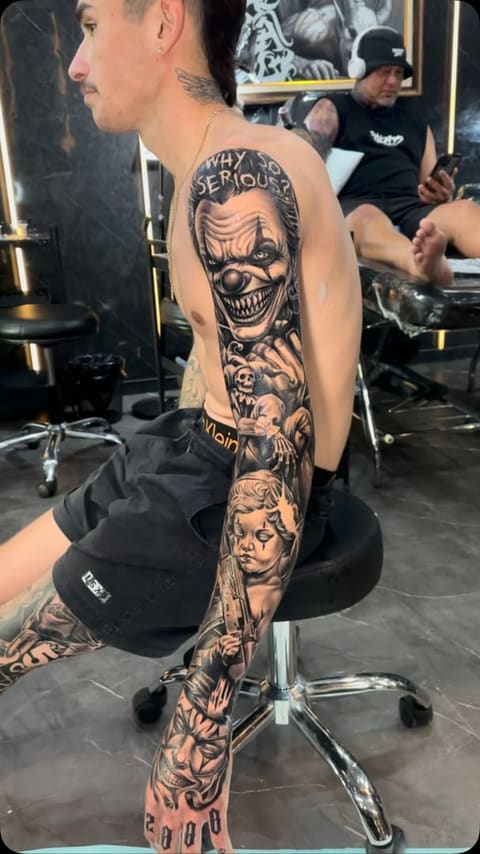
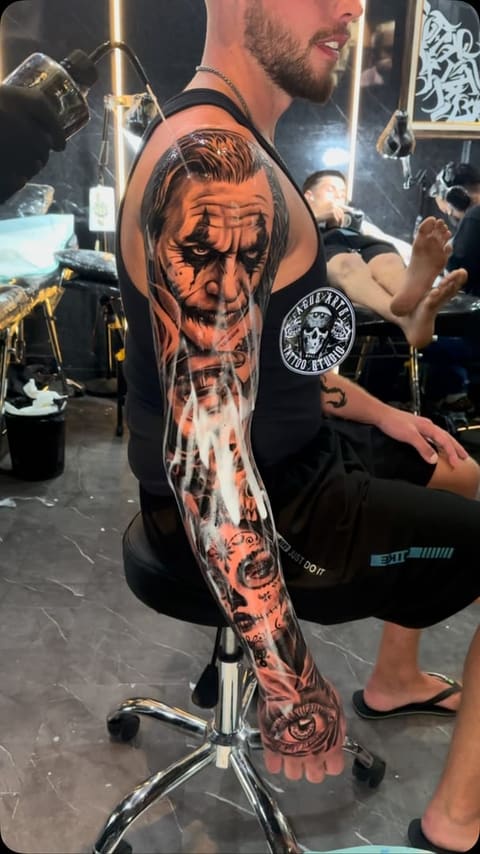
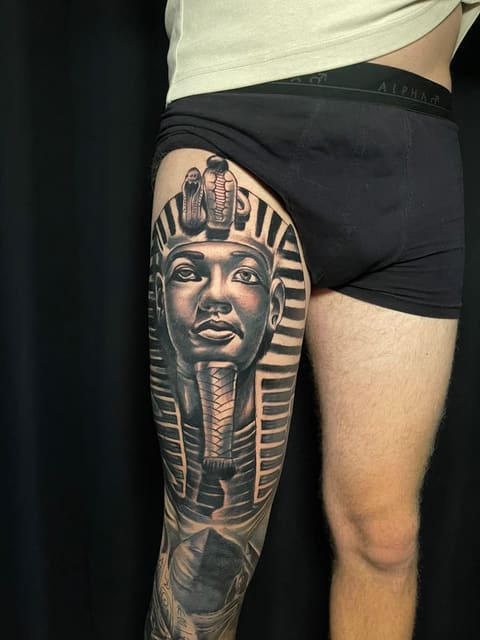
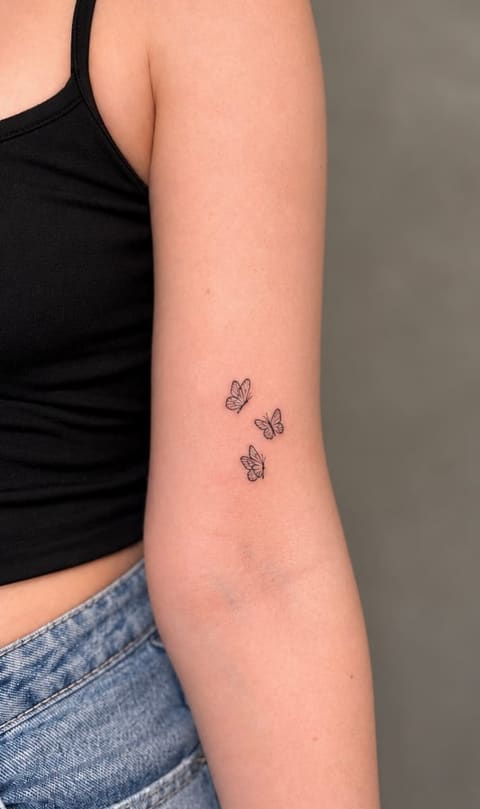
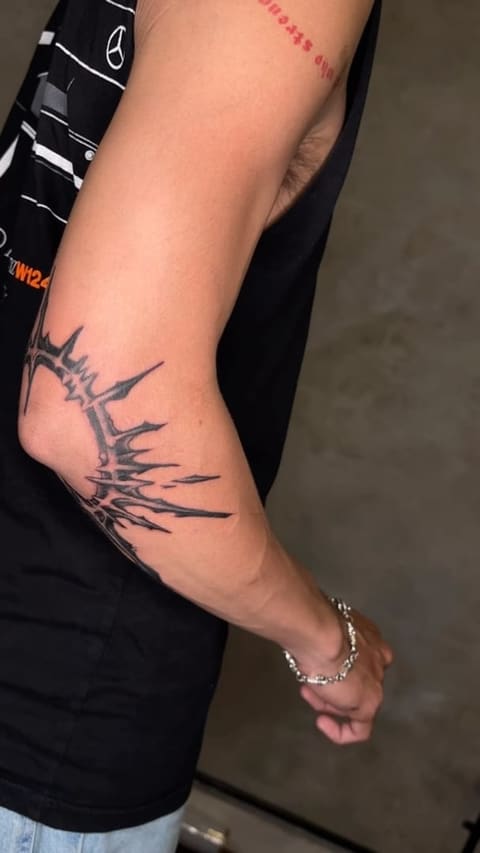
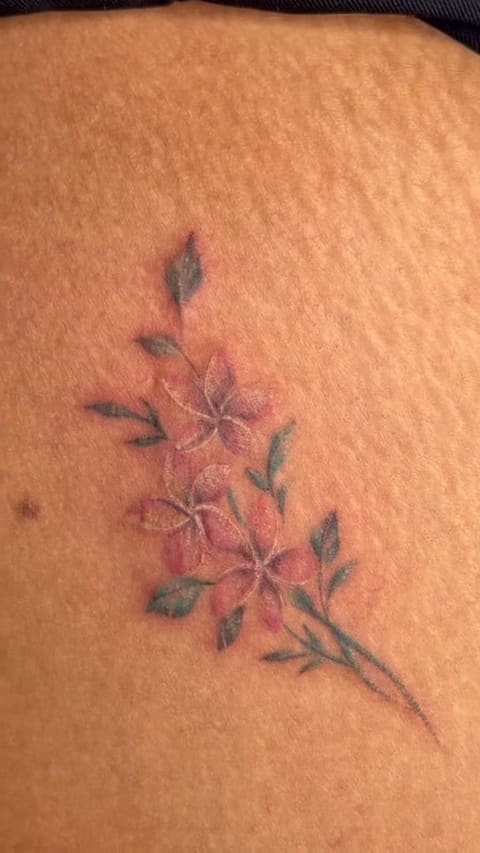
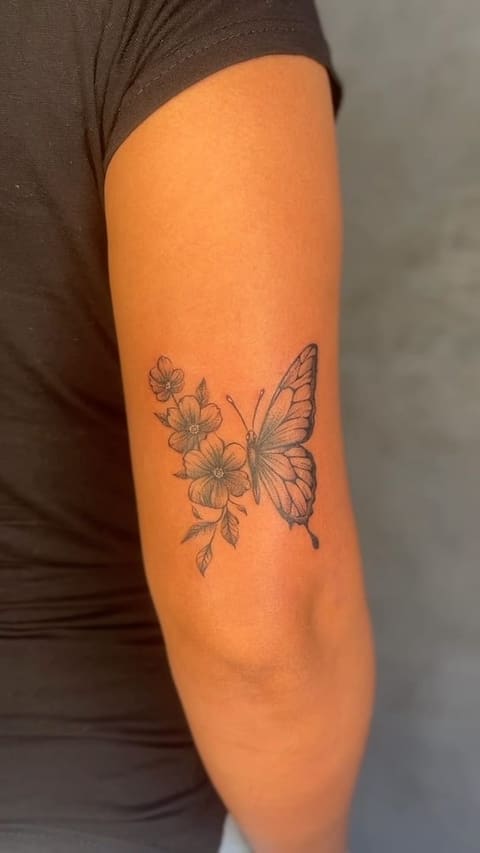
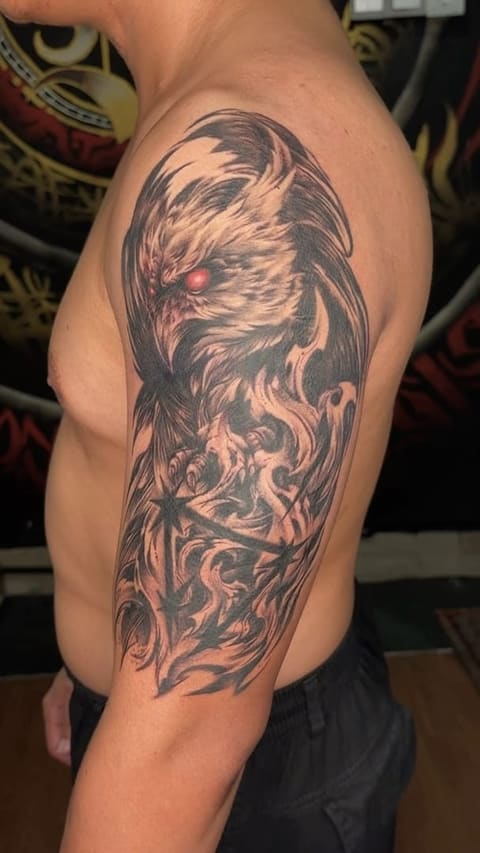
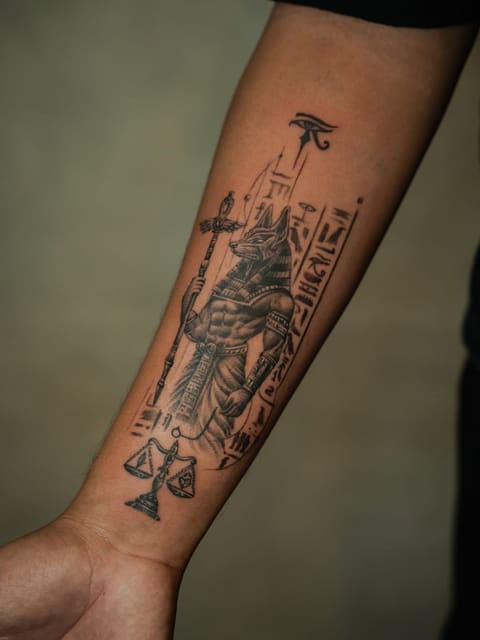
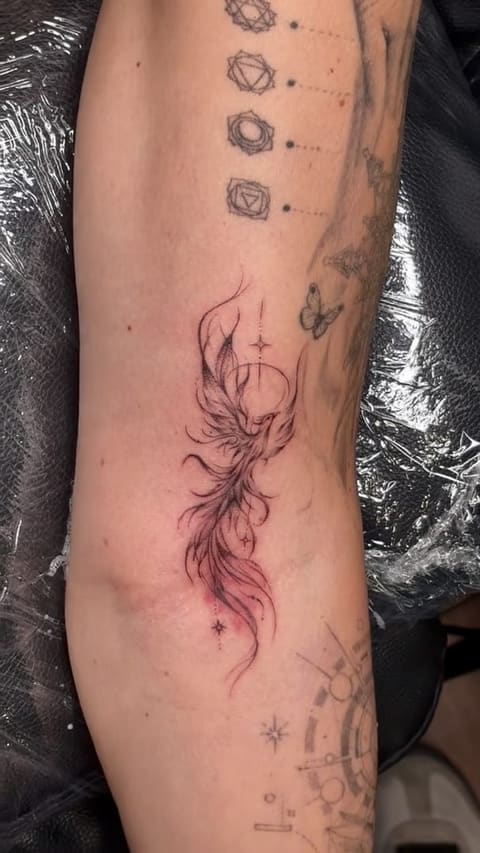
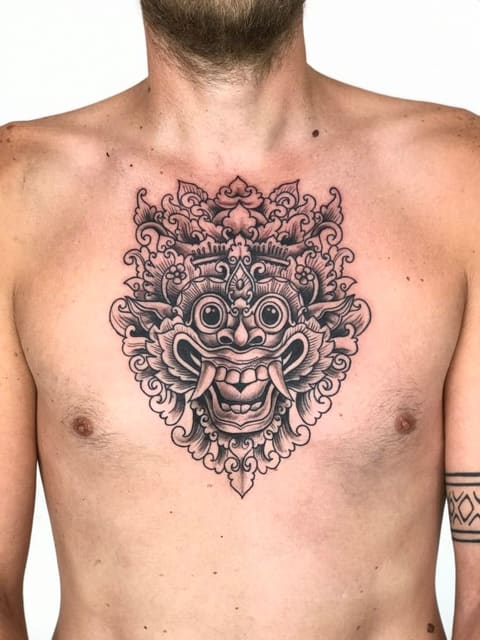
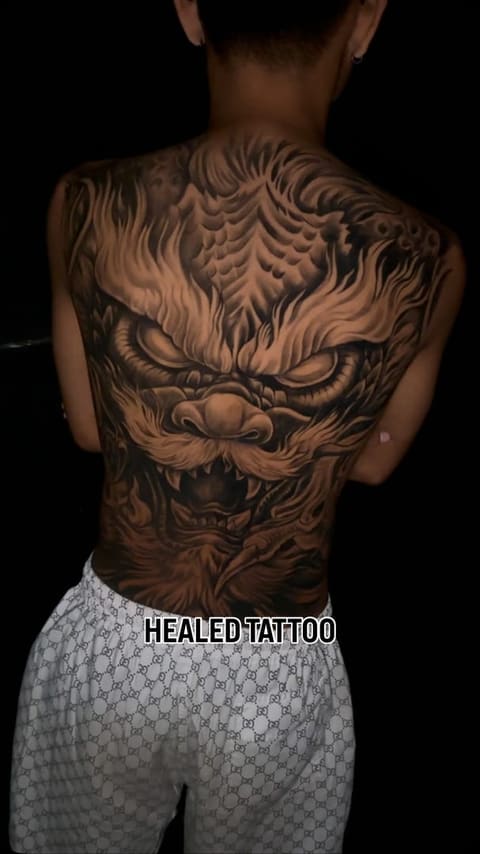
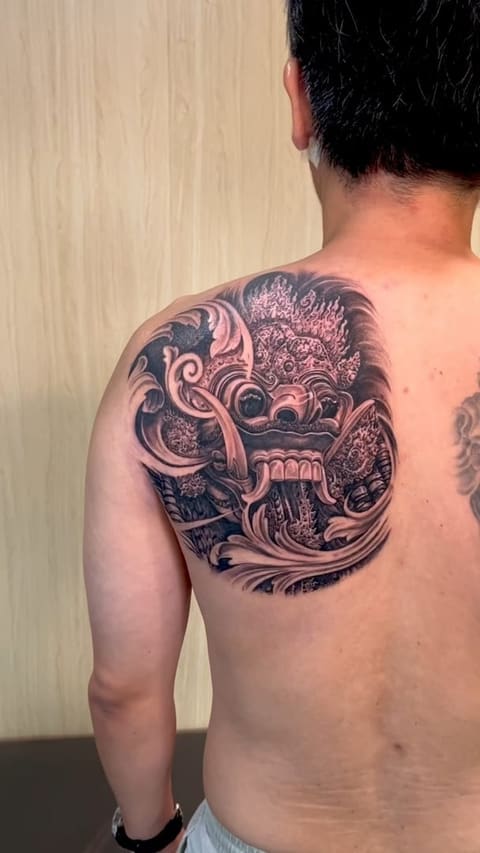
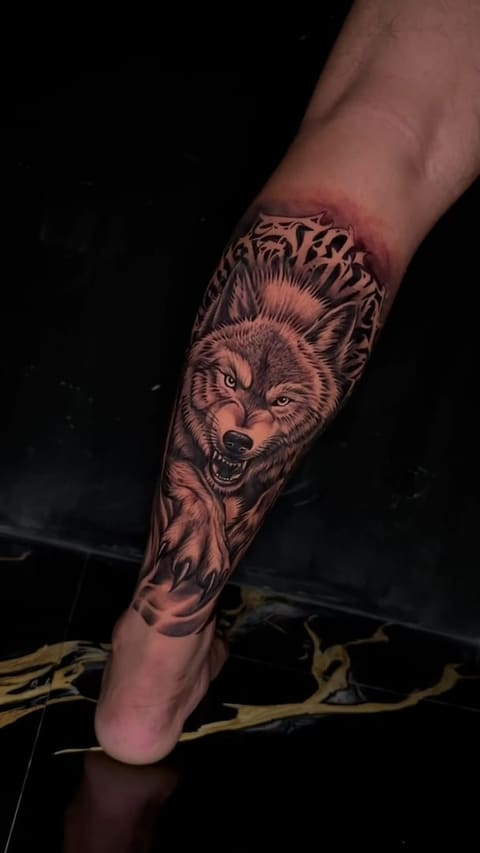
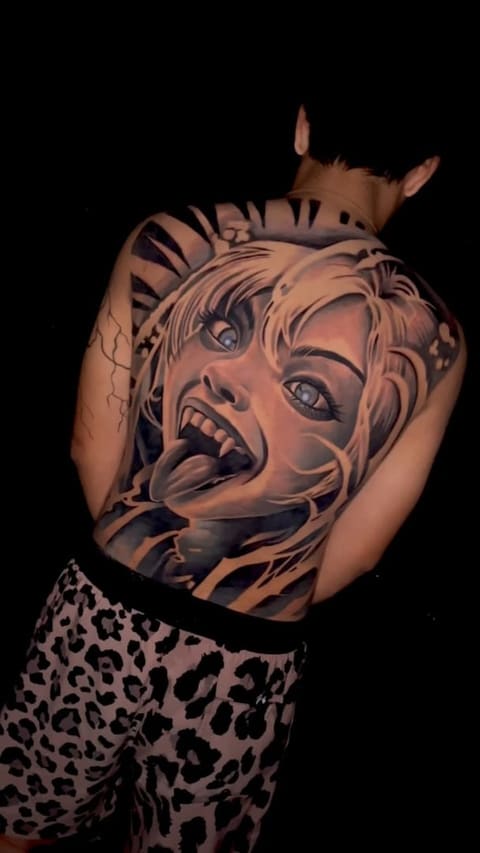
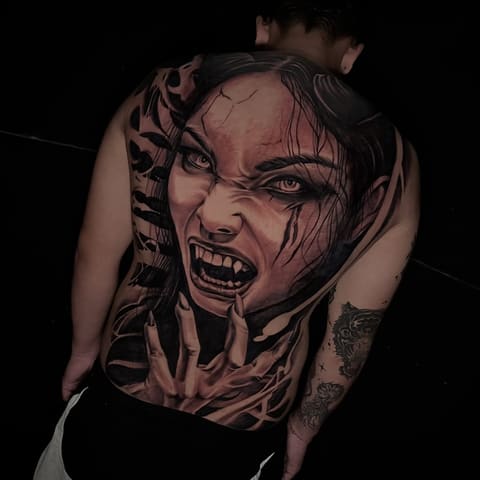
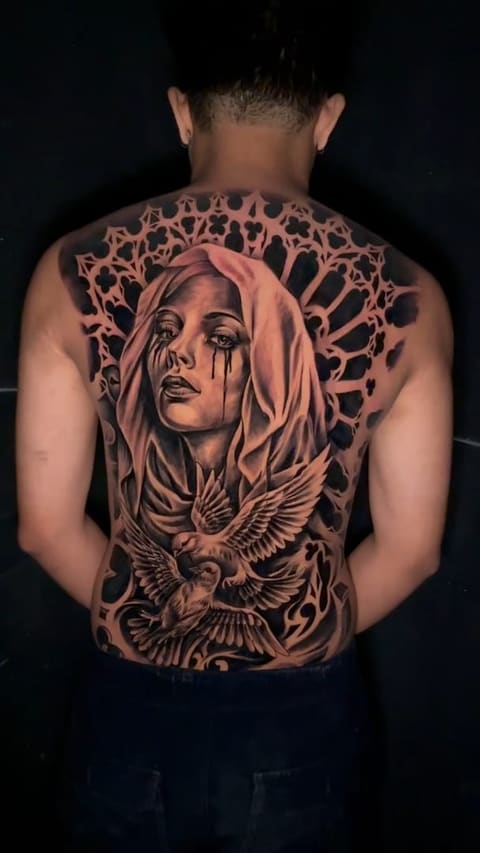
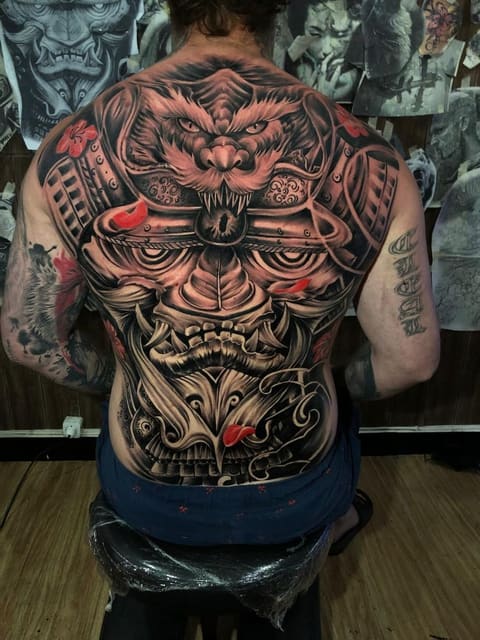
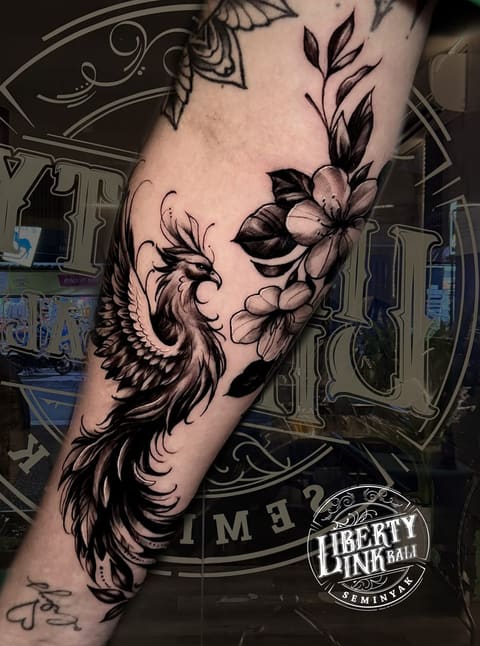
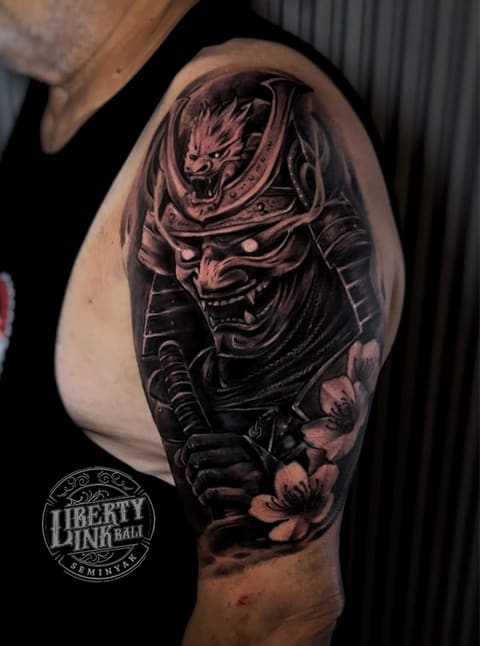
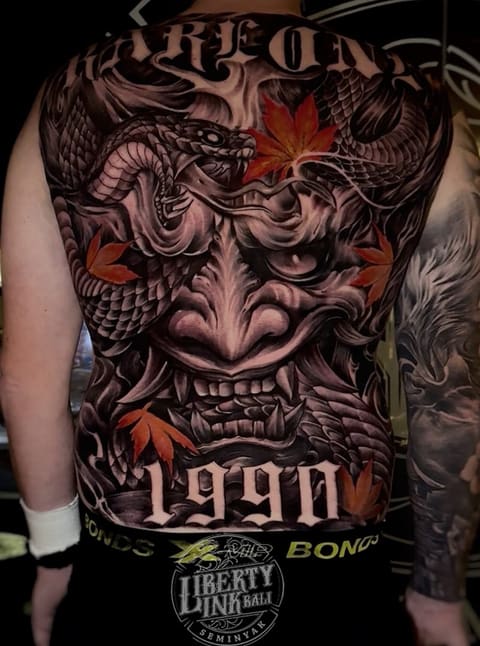
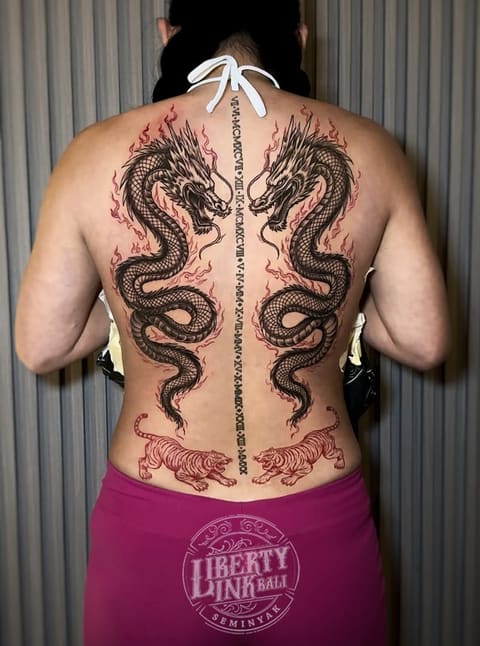
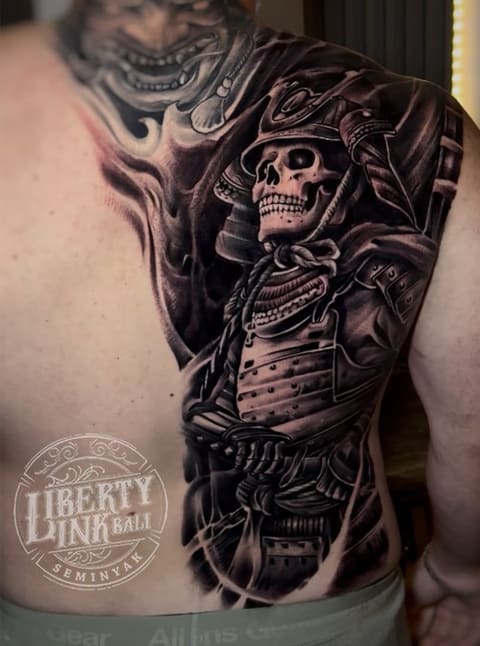
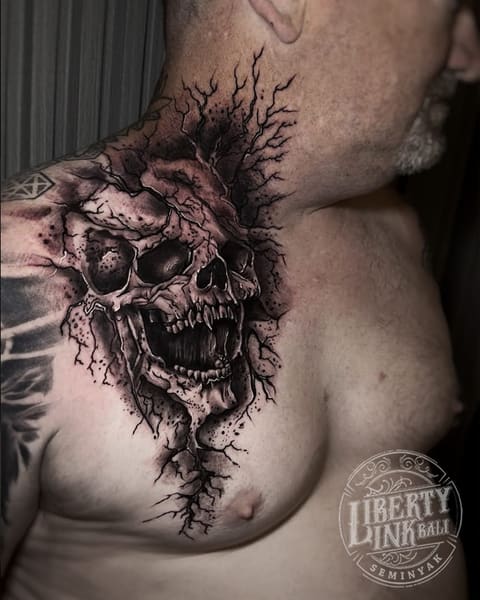
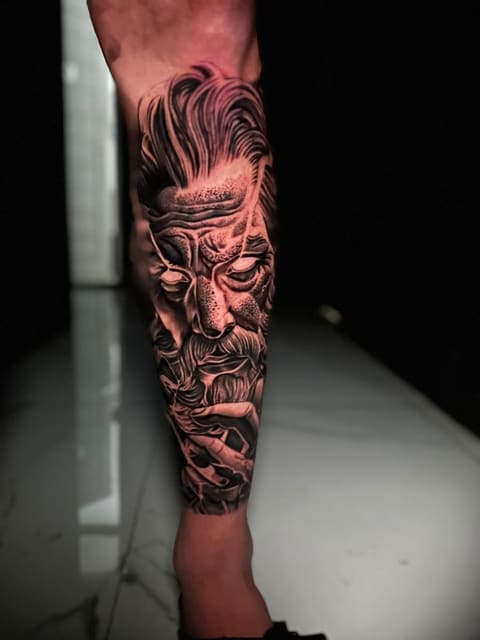
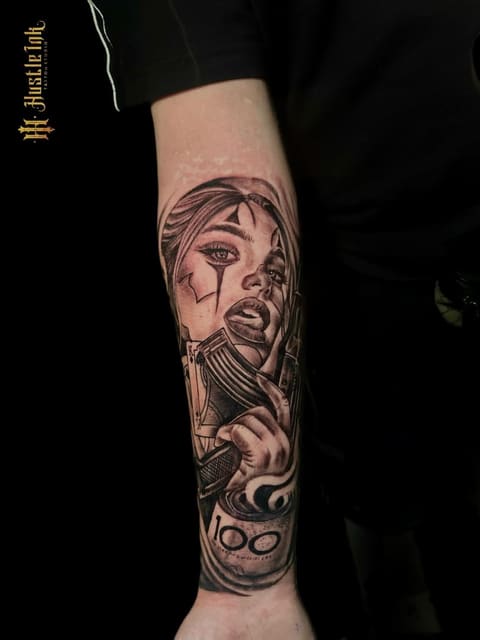
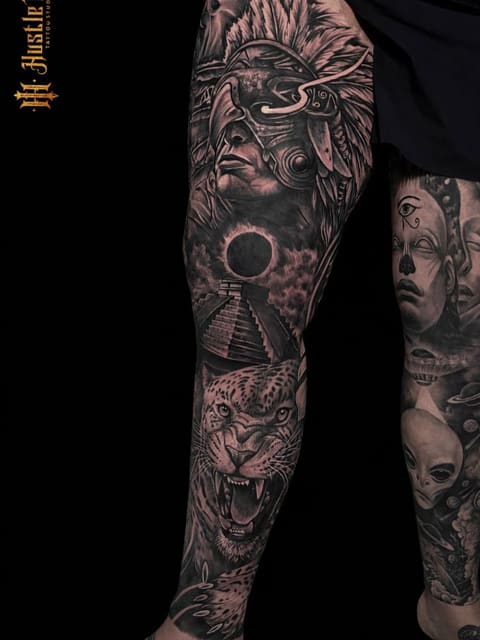
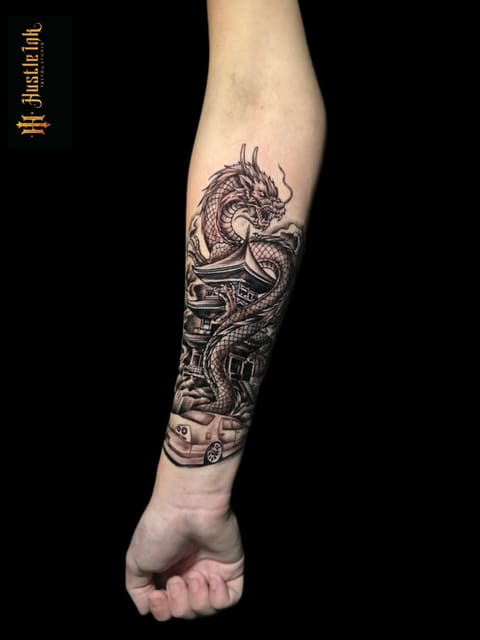
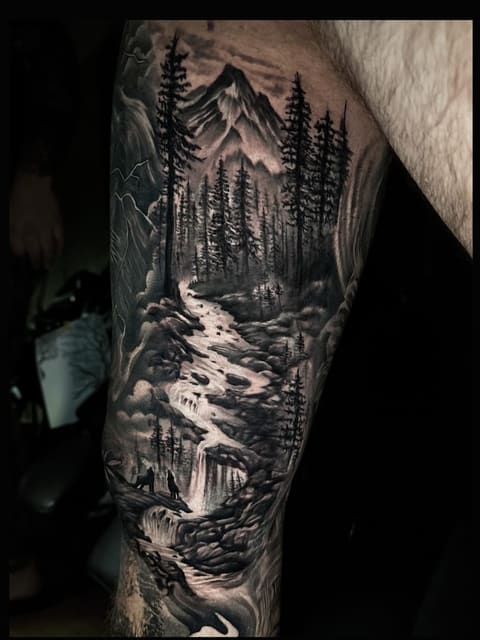
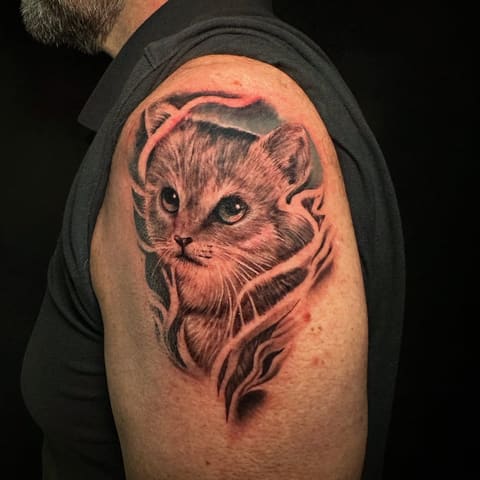
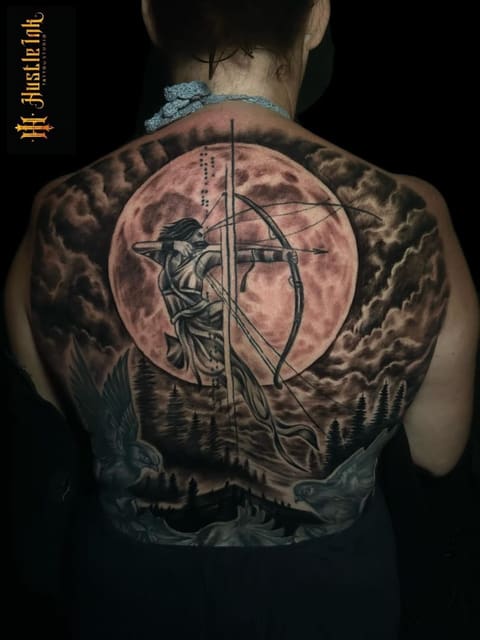
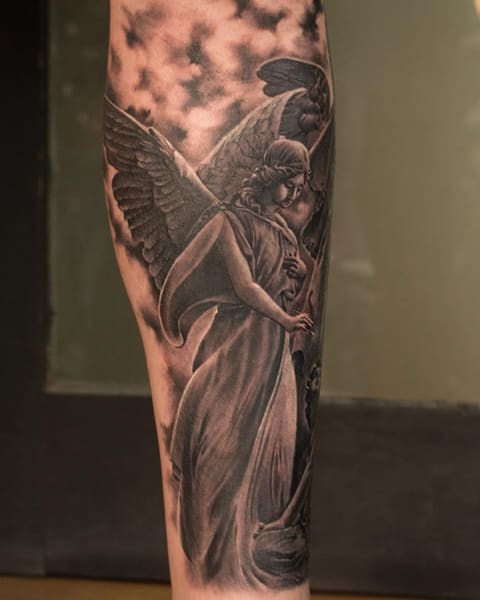
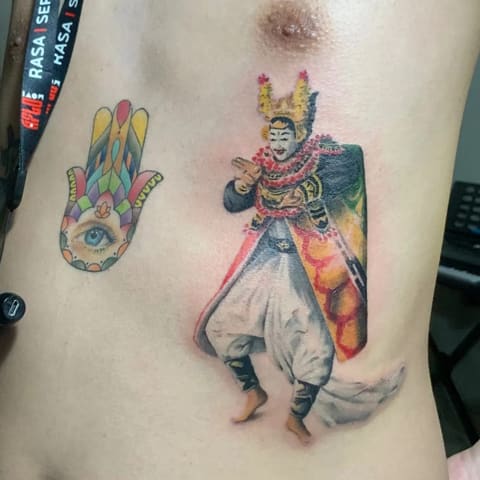
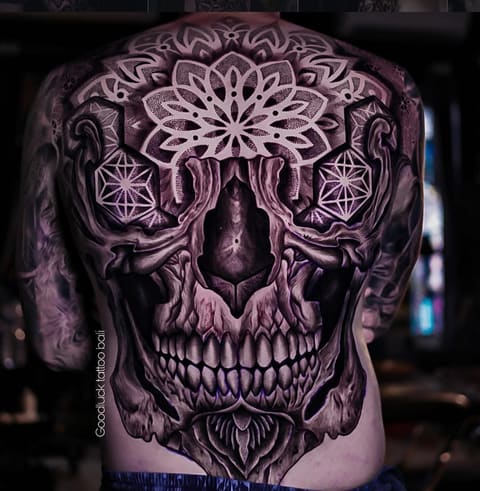
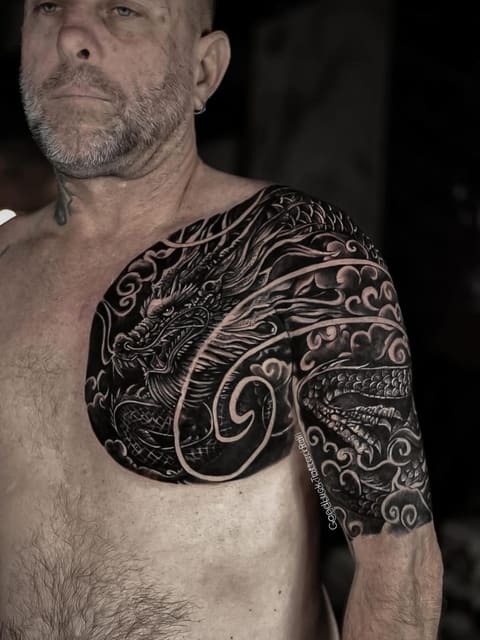
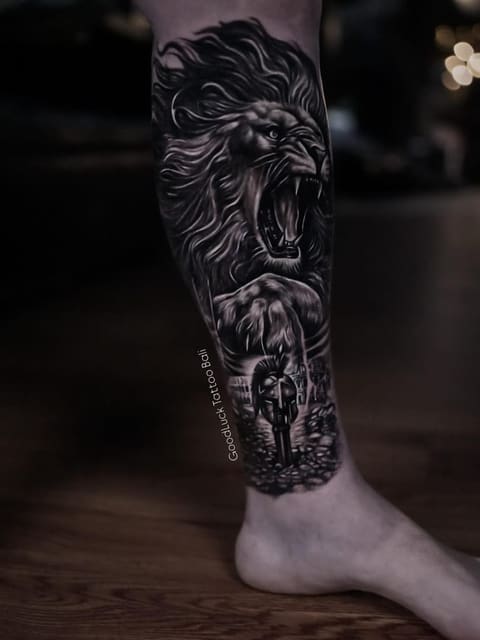
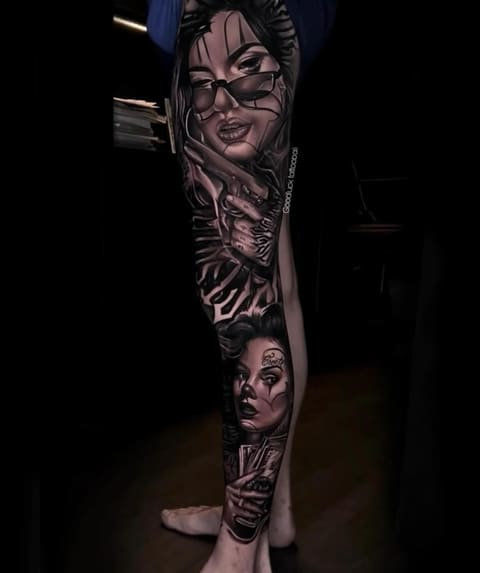
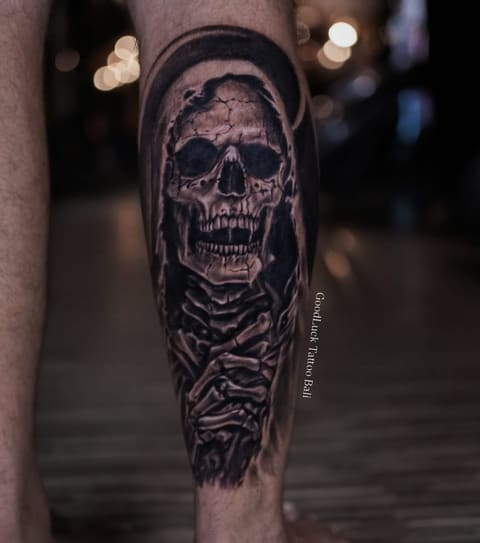
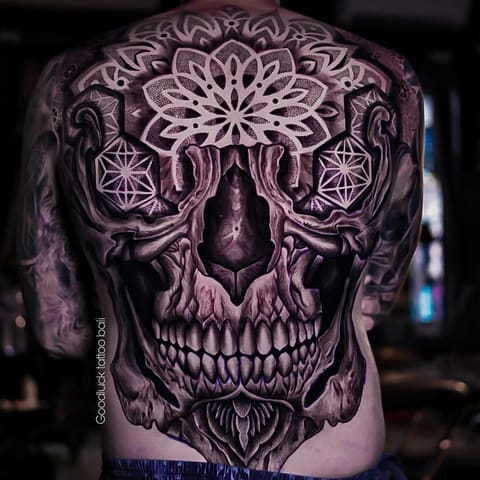
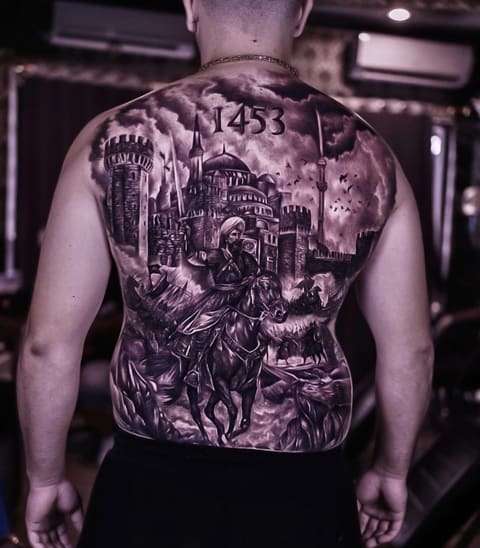
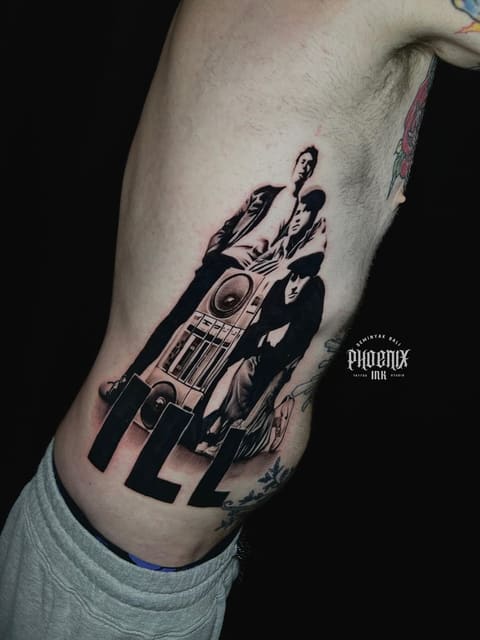
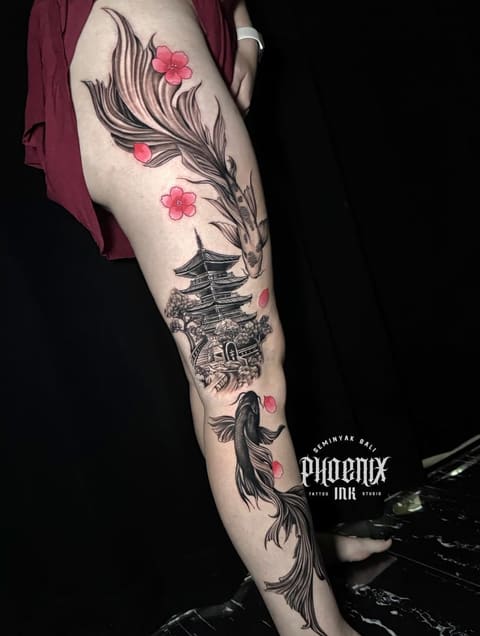
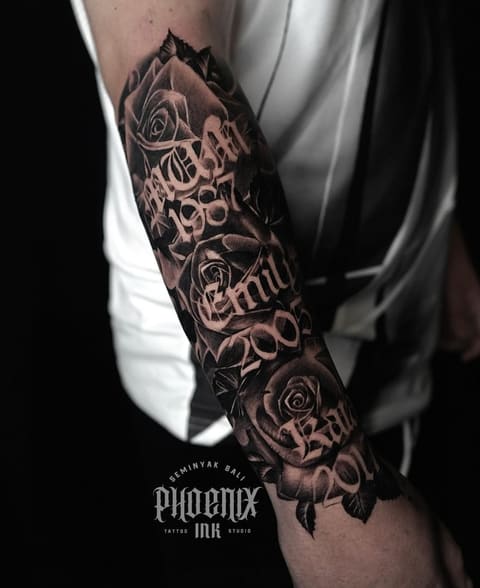
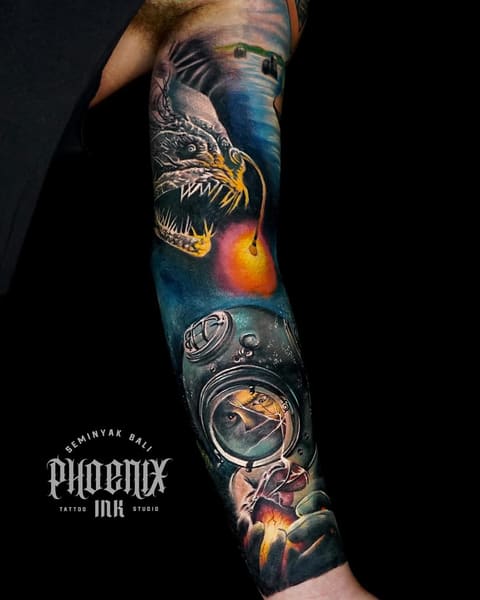
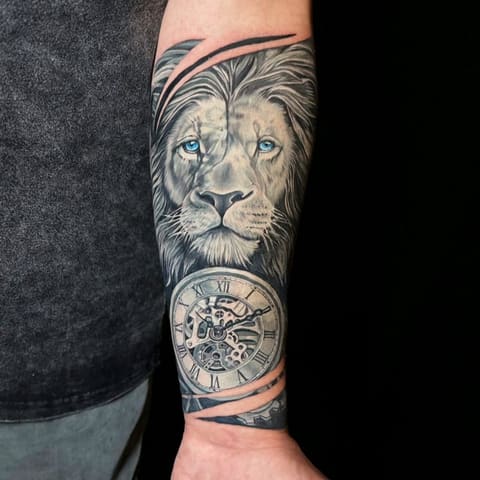
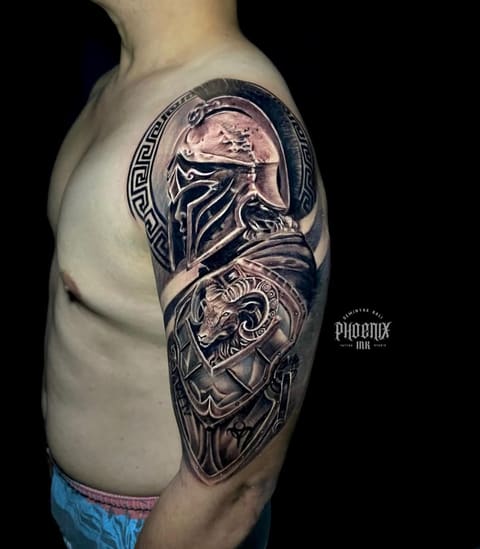
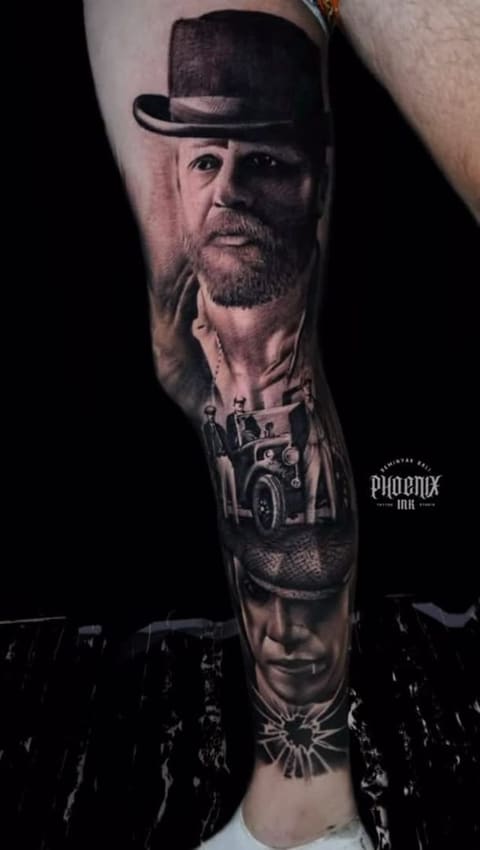
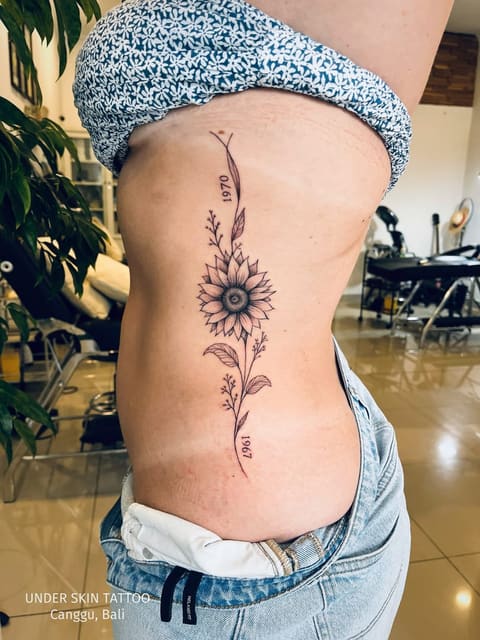
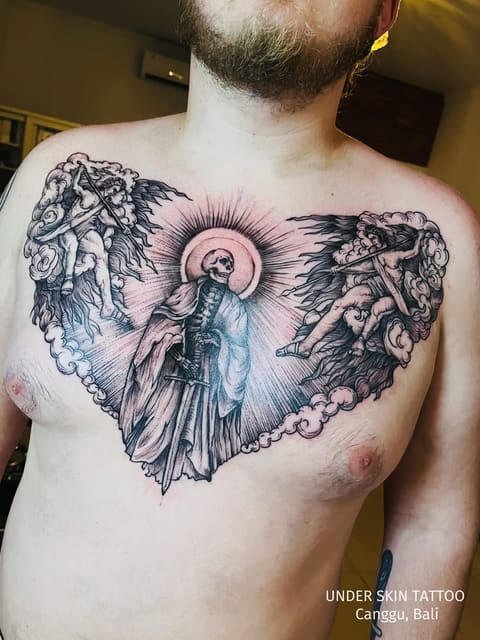
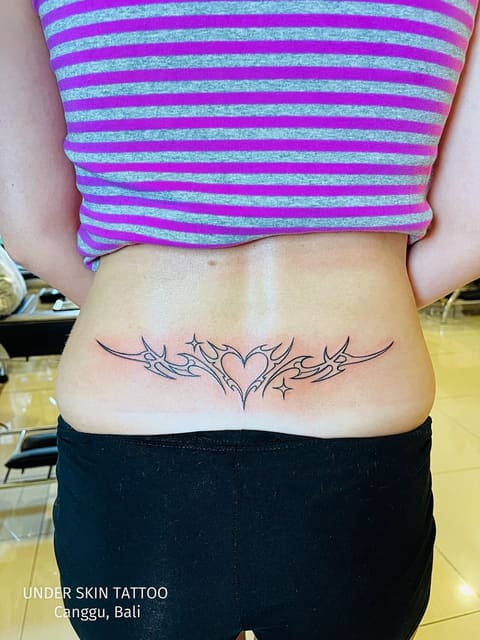
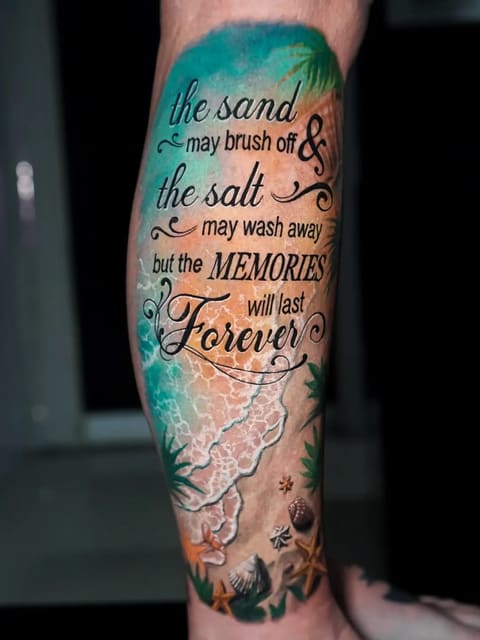
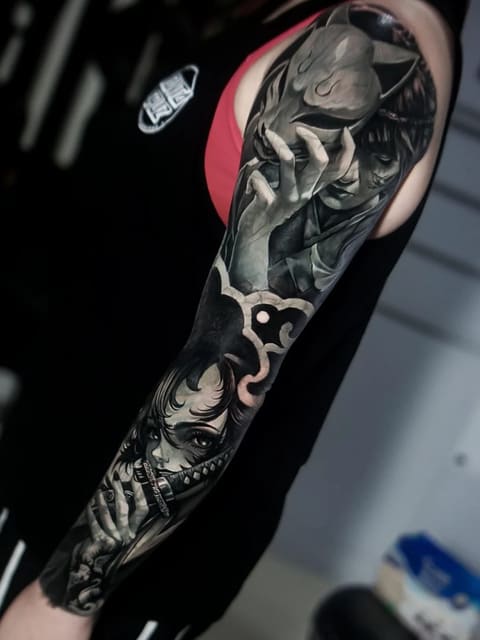
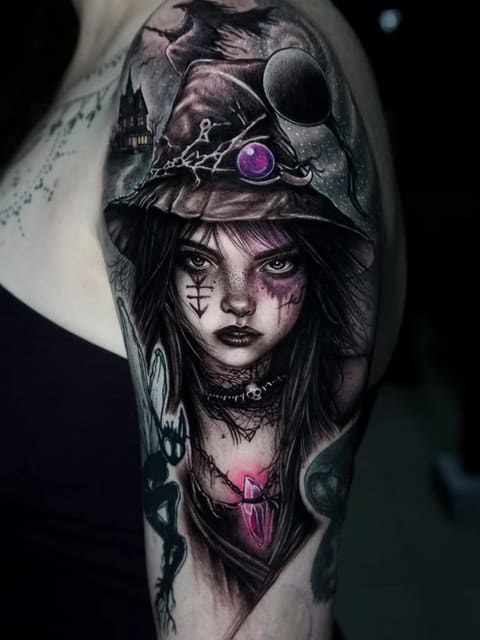
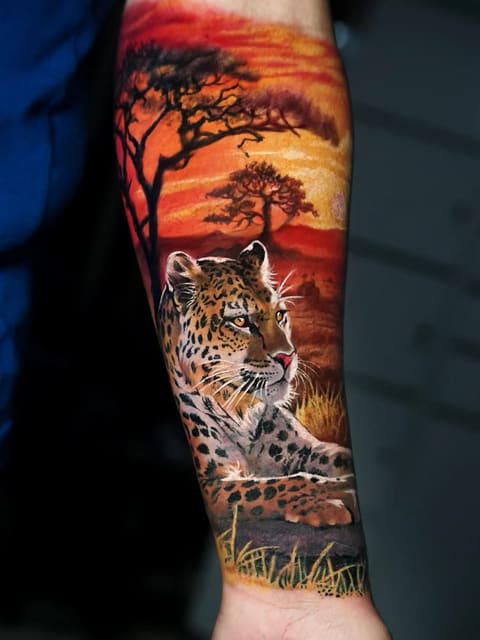
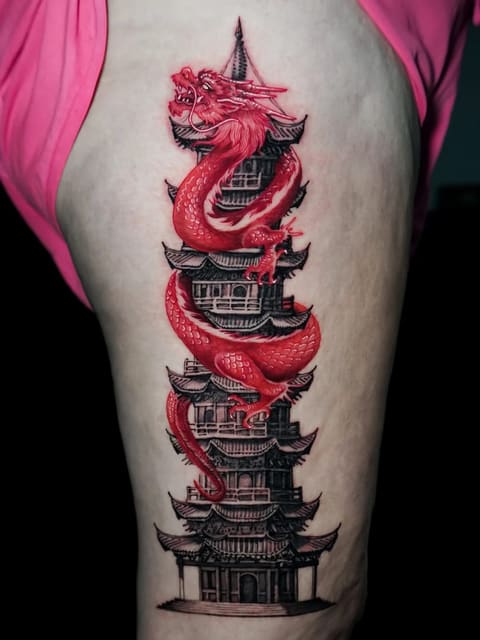
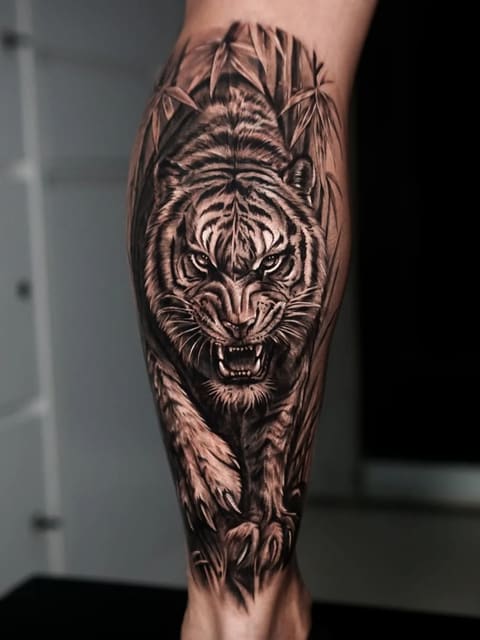
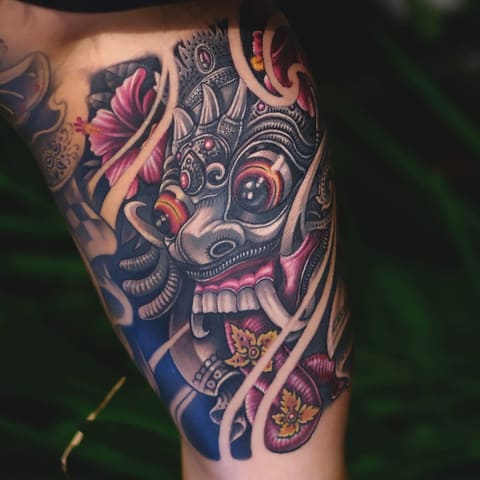
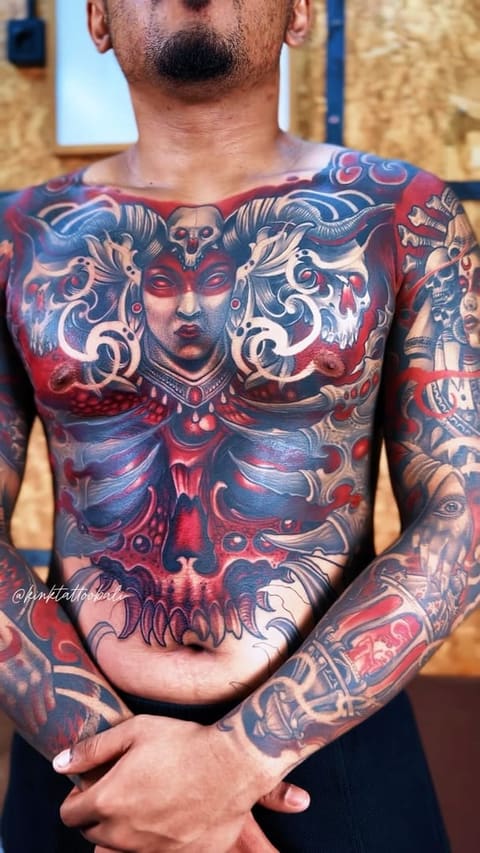
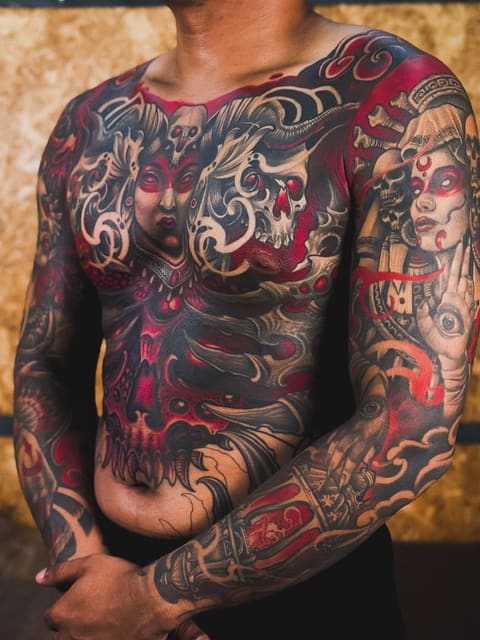
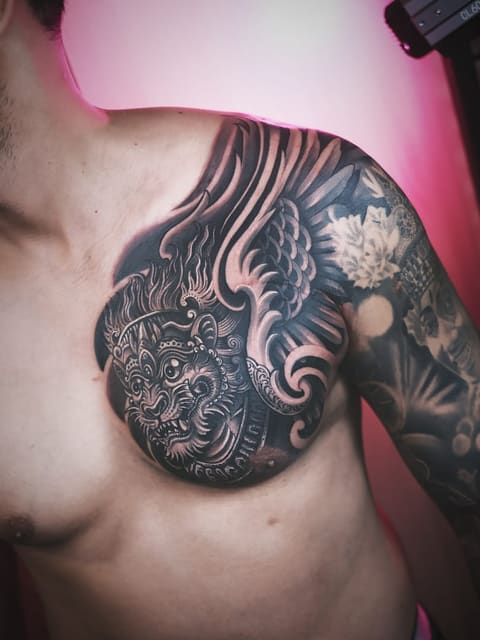
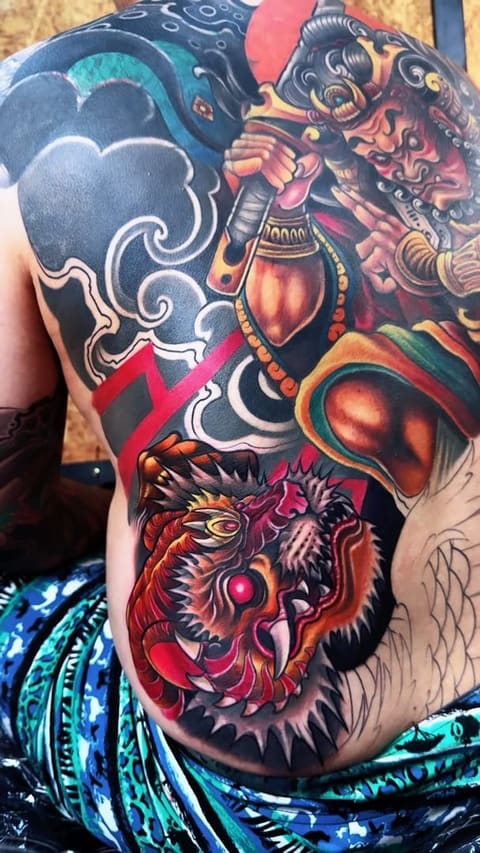
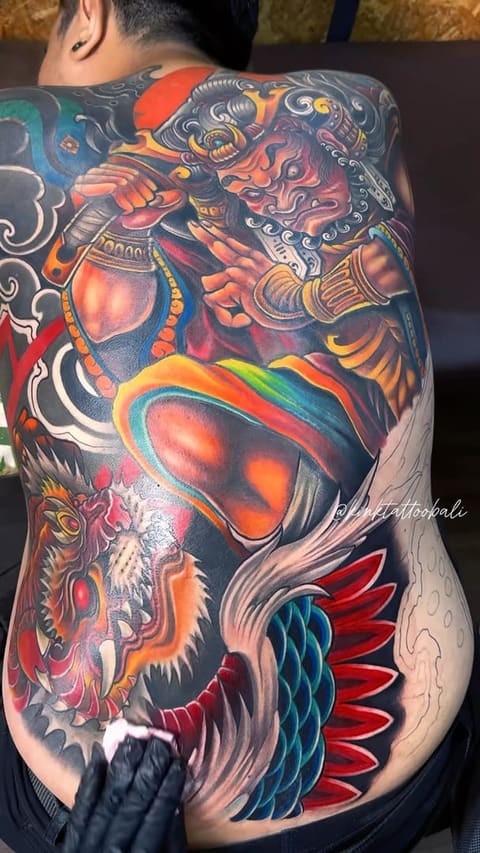
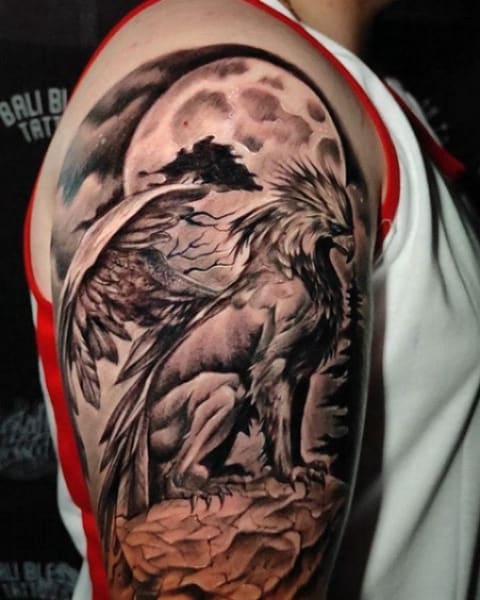
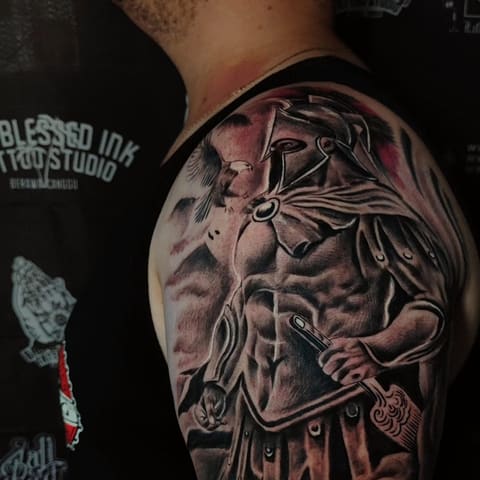
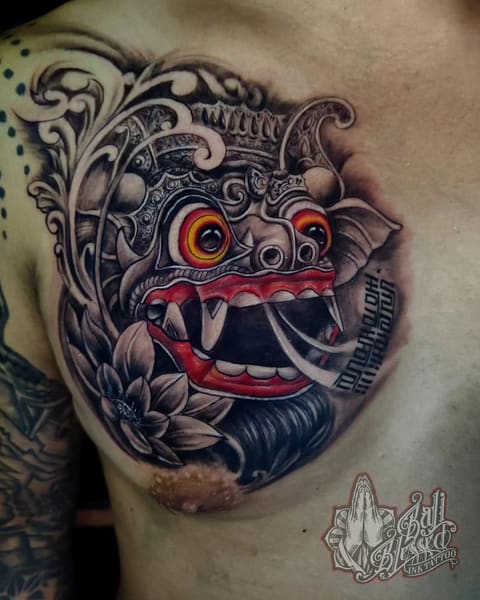
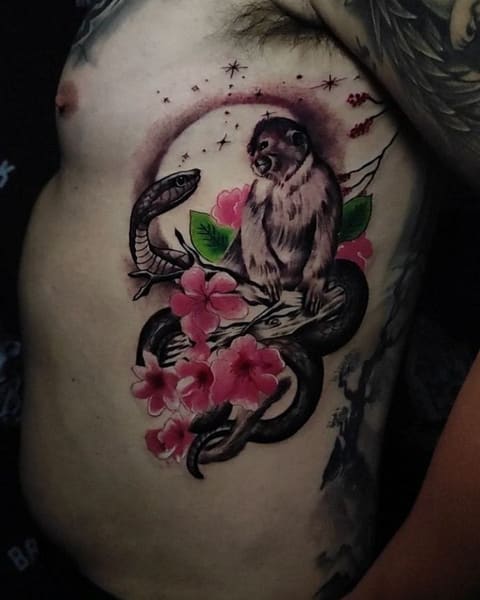
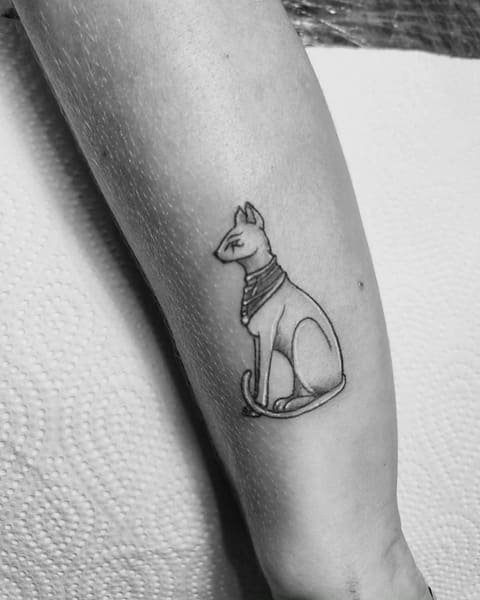
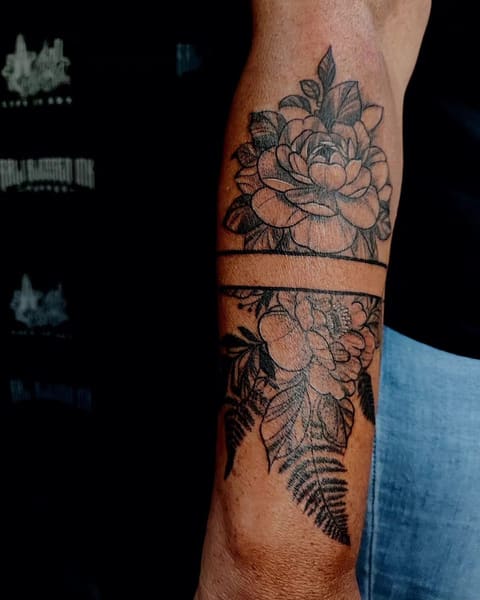
Prices come from each studio and can change. Typical ranges are worked out from the price lists we hold for Bali. Ask the studio for a quote.
Free for you
Send your watercolour idea to studios
Tell us the idea, the size and where it goes, add your reference photos, and we send it to studios that do this style. Or see it on your skin first.
The guide
Watercolour, step by step.
9 short chapters: what it is, where it sits, how it ages and how to fit it into a Bali trip.
What watercolour tattoos are
A watercolour tattoo borrows the look of a painting: colour that fades from strong to soft, splashes and drips around the edge, and blends where one colour runs into the next. Some pieces are all colour; many add a thin black outline or a loose sketch, so the painted part has a frame.
In our library of photos from Bali studios, watercolour is almost all colour: only 2% of the 141 photos are black and grey. The most common subjects are flowers, animals and plants, then ocean life, birds and butterflies, which suits an island of frangipani, turtles and reef fish.
It is a fairly young style next to traditional tattooing, so there is less long term evidence about how it ages. That shapes most of the advice on this page: protect the colour, give it room and think about outlines.
Watercolour, colour or illustrative?
Watercolour sits between two styles most Bali studios also list. Colour tattoos pack colour solid inside strong edges, from new school cartoons to bright flowers. Illustrative work is drawn like an illustration, often black lines with a wash of colour. Watercolour is the softest of the three: the colour itself makes the shape.
Many tattoos mix them, for example an illustrative bird with a watercolour splash behind it. When you send a request, attach photos of the look you want rather than relying on the label, and say whether you want black lines or none.
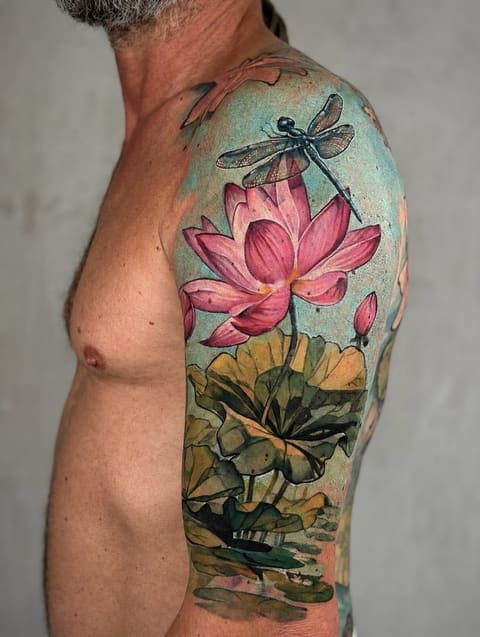 Watercolor35 studios · 141 photosSoft washes, splashes and drips of colour that look painted on, often with a thin black frame.SizeSmall to large; soft colour needs roomHow it agesColour without black edges can soften and spread sooner.Most often onforearm, upper arm, shoulder
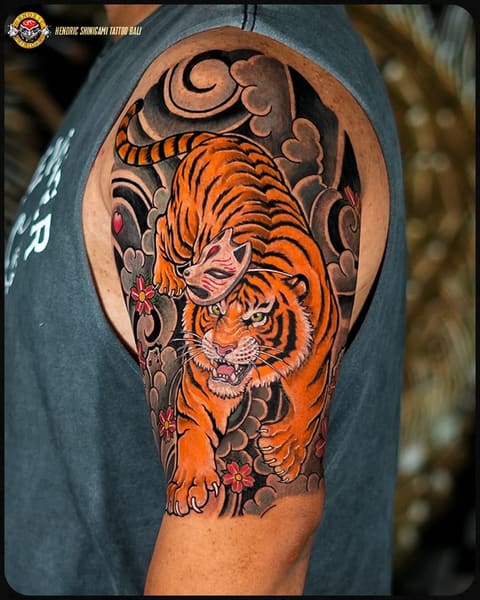 Colour46 studios · 1,569 photosBold, packed colour with solid edges: new school, cartoons, bright flowers.SizeSmall to sleevesHow it agesBright colour can fade sooner in strong sun; edges hold.Most often onupper arm, forearm, shoulder
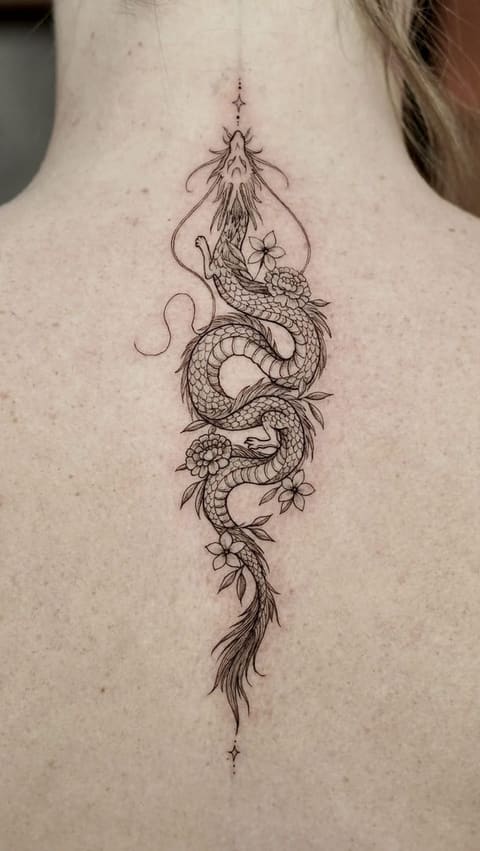 Illustrative & sketch55 studios · 2,597 photosDrawn and sketched artwork, often black lines with a wash of colour.SizeMedium and upHow it agesSketchy lines can soften with time; black holds the shape.Most often onforearm, upper arm, shoulder
Studios, photos and placements are counted from our listings and our library of studio photos. The words are a general guide; your artist knows your skin.
Black outlines, or none?
All tattoo ink moves a little in the skin over the years: research in mice found pigment is held by immune cells that are replaced over time and hand it on (Baranska and colleagues, 2018). On a bold black tattoo you barely notice. On soft colour with no edge, that slow movement can make the shape drift and blur.
That is why many artists add black. A full fine outline keeps a flower a flower; a partial sketch, a few black lines and some shading, keeps the painted look while giving the eye something to hold on to. Others work without any black and rely on strong colour and enough size. There is no study that settles it, so look at the artist's healed work and decide with them.
- Full outlineA fine black line around the shape. Holds it best.
- Partial sketchA few black lines and shading. Painterly, with a frame.
- No blackPure colour. The softest look; needs size and strong colour.
- Healed proofAsk to see each approach a year or more after healing.
Colour choice matters too. Deeper colours such as blue and purple can give more contrast than pale yellow or pink, and pale colours can show less on tanned or darker skin. Ask the artist which of your colours will read best on your skin once healed.
Who it suits and where it sits
Watercolour suits people who want a soft, artistic tattoo and are happy to look after it. It suits a holiday tattoo well when the subject is the trip itself: a hibiscus, a sea turtle, a wave. It suits people who sunbathe every day less well, unless the spot stays covered.
In our photos, watercolour sits most often on the forearm, upper arm and shoulder: smooth skin that is easy to see and easy to shade. Hands, fingers and feet wear more and colour there tends to fade sooner, so many artists advise against soft colour on them.
- Forearm and upper armSmooth, easy to see and to cover from the sun.
- Shoulder and backRoom for splashes and drips to spread.
- Hands, fingers and feetSkin wears more here and colour fades sooner.
- Anywhere you surfColour fades in UV: cover it or plan sunscreen for life.
Size helps. A blend needs space to go from strong to soft, so a palm sized flower usually keeps its look better than a coin sized one. Our size bands run from tiny (up to 5 cm) to medium (10 to 15 cm) and beyond; your artist will tell you which your design needs.
A good fit if
- You want something soft and painterly that does not look like a classic tattoo.
- You love colour and are happy to protect it from the sun for life.
- You are open to a thin black outline or sketch to keep the shape over the years.
- You can give it room: a palm sized flower or bird holds its blends better than a tiny one.
Think twice if
- You want it tiny: soft colour at a very small size tends to blur first.
- It goes on a hand, a finger or a foot, where skin wears and colour fades sooner.
- You will be in strong sun every day, now and later, without covering it.
- You want a tattoo that never needs a refresh. Blackwork or traditional may suit you better.
How it ages, and touch-ups
Sun is the biggest factor for any colour tattoo. Dermatologists warn that ultraviolet light may cause coloured tattoos to fade early (Gonzalez and colleagues, 2020), and one in five tattooed people reports sun sensitivity in their tattooed skin (Serup, 2015). Under the equatorial sun of Bali, that is worth taking seriously.
- How long before going out the AAD advises putting sunscreen on tattooed skin
- 15 min
- Source: American Academy of Dermatology
- Tattooed people with sun sensitivity in their tattooed skin
- 1 in 5
- Source: Serup, Current Problems in Dermatology, 2015
- Sunscreen the AAD advises on tattooed skin, reapplied every two hours
- SPF 30+
- Source: American Academy of Dermatology
The American Academy of Dermatology advises a broad spectrum, water resistant sunscreen of SPF 30 or more on tattooed skin, applied 15 minutes before going out and again at least every two hours, and a water based lotion rather than petroleum based products, which can cause ink to fade.
Plan for a refresh. Many watercolour wearers have the colour brightened after some years, a short session once the skin is healed. Ask your artist whether they offer touch-ups, and keep the healed photos so the next artist can match the colours.
Colour inks and your skin
Colour inks are more likely than black to bother the skin. In a survey of 3,411 tattooed people in German speaking countries, coloured tattoos caused more short term skin reactions than black ones (Klügl and colleagues, 2010). At a Copenhagen hospital, allergic reactions were the most common tattoo problem seen, mostly in red and shades of red (Serup and colleagues, 2016).
- Tattooed people surveyed: coloured tattoos caused more short term skin reactions than black
- 3,411
- Source: Klügl et al., Dermatology, 2010
- Share of 493 tattoo problems at one hospital that were allergic reactions, mostly in red
- 37%
- Source: Serup et al., Dermatology, 2016
Most people never react. Red is the colour linked most often to long lasting reactions (Islam and colleagues, 2016), so if you have reacted to a colour tattoo before, or have very sensitive skin, ask the artist about the brands they use and consider keeping red to a minimum. See a doctor if a coloured part becomes raised, itchy or sore after it has healed.
Think about the future too. Laser removal works best on black and blue ink, and some colours resist removal, says Cleveland Clinic; it can take six to 12 sessions or more before you see results. A watercolour piece is easier to brighten or rework than to erase.
Planning it on a Bali trip
A small watercolour piece is usually done in one sitting; a big one with many blends may need two, with healing time between them. A new tattoo is an open wound for a while: health advice is to avoid soaking it in a bath, a pool or the sea, and to keep it out of direct sunlight (Better Health Channel).
Until it has healed, Cleveland Clinic dermatologists advise against sunscreen on it, so shade and loose clothing do the work. That is why most travellers book the tattoo for the last days of the trip, after the surfing, diving and beach days, and let it heal at home.
Pick an artist from their healed watercolour work, send your reference, the size and placement, and ask whether they would add a black outline. Book a date near the end of your trip.
Swim, surf and dive while your skin is bare, and do not get sunburnt on the spot you plan to tattoo: many artists will not work on burnt skin.
Eat well, skip the hangover and wear loose clothes that keep the spot free. Plan an easy evening in the shade.
Shade, short showers and no soaking. Keep washing and moisturising as the studio told you, and cover it from the sun with loose clothing rather than sunscreen until it heals.
Healing in the heat
Healing follows a pattern. Itching and flaking are common in the first two weeks; after about three weeks scabs and flakiness usually ease; and the top layer of skin is usually healed after about two months, while the deeper layers take longer (Cleveland Clinic). Colour often looks dull or milky while it peels, then clears.
- Itching and flaking are common for about this long
- 2 weeks
- Source: Cleveland Clinic, 2026
- About when the top layer of skin is healed
- 2 months
- Source: Cleveland Clinic, 2026
- Ink still visible around the needle tracks in one new tattoo
- 84 days
- Source: Kröger et al., Dermatology, 2023
Heat and humidity add to it: sweat, sunscreen on nearby skin, tight straps and a scooter ride in the midday sun all rub or bake a healing tattoo. Wash gently with soap, pat dry with a clean towel, moisturise lightly and leave flakes alone.
Aftercare advice varies: a review of 700 American aftercare sheets found only about half said when to contact the tattoo artist (Liszewski and colleagues, 2023). See a doctor for fever, skin that is hot to the touch, a bad smell or discharge, pain that grows instead of easing, or red streaks or spreading redness (Cleveland Clinic).
Day 1
Wrapped and bright
The studio covers it and tells you when to take the wrap off. Colour looks at its brightest now. Wash with clean hands and soap, pat dry, and stay out of the sun.
Days 2 to 14
Peeling and dull
Itching and flaking are common in the first two weeks, and coloured flakes are normal. The colour can look dull or milky under the peeling skin; leave flakes alone and moisturise lightly.
Weeks 2 to 4
Settling
After about three weeks, scabs and flaking usually ease and the colour starts to clear. Soft blends can look patchy until the skin has settled.
About 2 months
Top layer healed
The top layer of skin is usually healed by now, though the deeper layers can take several more months. This is the time to judge the colour and book any touch-up, and from now on, sunscreen.
Red flags and questions to ask
Most Bali studios are careful and proud of their work, and their reviews show it. Watercolour is easy to make look good on the day and hard to make last, so the healed portfolio matters more than anything. Infections come from unhygienic practice and equipment that is not sterile (FDA), so check that too before you pay a deposit.
Only fresh watercolour in the portfolio
Fresh colour always looks perfect. Ask for photos of the artist's watercolour a year or more after it healed.
Promises that it will never fade
UV light fades coloured ink, say dermatologists. An honest artist talks about sunscreen and a refresh later.
No view on outlines
Ask what holds the colour's shape in ten years. A good artist has an answer, with or without black lines.
Needles or gloves not opened in front of you
Single use, sterile needles and fresh gloves for each client are the basic standard. Watch them come out of the packet.
Ink you cannot ask about
Ink can be contaminated even in a sealed bottle, says the FDA. Ask which brand of colour the studio uses.
No aftercare in writing
Aftercare sheets vary a lot. Ask for written instructions and when to come back or see a doctor.
Questions to ask before you pay a deposit
- 1.Can I see healed watercolour you have done, a year or more later?
- 2.Would you add a black outline or sketch, and why or why not?
- 3.What size does my design need for the colour to stay clear?
- 4.Which colour inks do you use?
- 5.Do you include a touch-up, and when can I come back for it?
- 6.Is the price fixed, or by the hour? What is included?
Questions, answered.
Do watercolour tattoos fade faster?
Soft colour without black edges can soften and fade sooner than bold work, and UV light fades coloured ink. A thin black outline, strong colours, enough size and sunscreen all help it last. Plan for a refresh after some years.
Do watercolour tattoos need a black outline?
Not always, but many artists add a full or partial black outline so the shape holds as the colour softens. Others work without and rely on size and strong colour. Ask the artist to show you healed examples of both.
How long does a watercolour tattoo last?
The ink stays for life, like any tattoo. How long it looks crisp depends on the outline, the colours, the size, the placement and above all the sun. Many people brighten the colour with a touch-up after some years.
Can I get a watercolour tattoo on tanned or darker skin?
Yes, with the right colours. Pale colours such as yellow and pink can show less on tanned or darker skin, while deeper colours and a black frame read more clearly. Ask the artist to show healed colour on skin like yours.
What is the difference between watercolour and colour tattoos?
Colour tattoos pack colour solid inside strong edges. Watercolour blends soft washes and splashes that look painted on, often with little or no black. Many pieces mix the two.
How many studios do watercolour tattoos in Bali?
35 studios in our listings list watercolour, with an average Google rating of 4.9. Seminyak has the most of them. Each studio page shows its own photos and reviews.
How much does a watercolour tattoo cost in Bali?
Studios quote by the design: the size, the number of colours and the blending time. No studio publishes a watercolour price yet, so the price section shows the typical price by size across every style. Send your reference for a quote.
Where on the body does watercolour look best?
Smooth skin you can keep out of the sun: in our photos it sits most often on the forearm, upper arm and shoulder. Hands, fingers and feet wear more, so soft colour there tends to fade sooner.
Can I be allergic to coloured tattoo ink?
It is uncommon, but colour inks cause more skin reactions than black, and red is the colour most often involved. If you have reacted before, ask about the inks and keep red to a minimum, and see a doctor if a coloured part becomes raised, itchy or sore.
Can a watercolour tattoo be removed?
Laser removal works best on black and blue, and some colours resist it; Cleveland Clinic says it can take six to 12 sessions or more before you see results, and that it is fairly common for removal not to clear a tattoo completely. Brightening or reworking a watercolour piece is usually easier.
Does watercolour hurt more than other styles?
Not because of the style. Pain depends mostly on where it goes and on you; blending can mean going over the same skin more than once, so a long sitting can feel tiring. Eat beforehand and ask for breaks.
Can I swim after getting a tattoo in Bali?
Not until it has healed. Health advice is to avoid soaking a new tattoo in a bath, a pool or the sea, and to keep it out of direct sunlight while it heals. Book your tattoo for the end of your trip if the sea is part of the plan.
When can I put sunscreen on my new tattoo?
Once it has healed. Until then, Cleveland Clinic dermatologists advise keeping sunscreen off it and covering it instead. After that, the AAD advises a broad spectrum, water resistant sunscreen of SPF 30 or more, reapplied at least every two hours.
Will my watercolour tattoo need a touch-up?
Often, in time. Soft blends can heal a little patchy, and colour brightens well with a short session once the skin has healed. Ask whether the studio includes a touch-up and when, especially if you are flying home.
How do I book a watercolour artist in Bali?
Open a studio below to see its watercolour work, reviews and area, and send your reference, the size and the placement. Or take the quiz and we send your request to studios that do watercolour.
Sources and review
How we made this page
Reviewed by the Peachy Tattoos editorial team
Last reviewed November 10, 2026
Studio counts, ratings, areas and prices come from our listings of Bali studios. Photo counts, placements and subjects come from our library of the studios' own photos. Health and healing facts come from the sources listed here, named where they are used.
Check our work
Ask an AI assistant to fact check this page against its sources.
References
- 1.Ultraviolet radiation may cause premature fading of colored tattoos (Gonzalez et al.) · Photodermatology, Photoimmunology and Photomedicine, 2020
- 2.Seamless prevention of adverse events from tattooing (Serup) · Current Problems in Dermatology, 2015
- 3.Incidence of health problems associated with tattooed skin: a nation wide survey in German speaking countries (Klügl et al.) · Dermatology, 2010
- 4.Classification of tattoo complications in a hospital material of 493 adverse events (Serup et al.) · Dermatology, 2016
- 5.Medical complications of tattoos: a comprehensive review (Islam et al.) · Clinical Reviews in Allergy and Immunology, 2016
- 6.Tattoo removal · Cleveland Clinic, 2022
- 7.Caring for tattooed skin · American Academy of Dermatology
- 8.Tattoo aftercare tips from a dermatologist · Cleveland Clinic Health Essentials, 2026
- 9.Think before you ink: tattoo safety · U.S. Food and Drug Administration, 2024
- 10.Tattoos · Better Health Channel, Victoria State Government, 2015
- 11.Unveiling skin macrophage dynamics explains both tattoo persistence and strenuous removal (Baranska et al.) · Journal of Experimental Medicine, 2018
- 12.Tattoo pigments are localized intracellularly in the epidermis and dermis of fresh and old tattoos (Kröger et al.) · Dermatology, 2023
- 13.An analysis of the content and recommendations of 700 American tattoo aftercare instructions (Liszewski et al.) · Dermatology, 2023
This guide is general information, not medical advice. Your artist knows your skin and your design; see a doctor for any sign of infection or a skin reaction.
Ready for your watercolour tattoo?
One request, sent to studios that do the style. Free, and no account.